
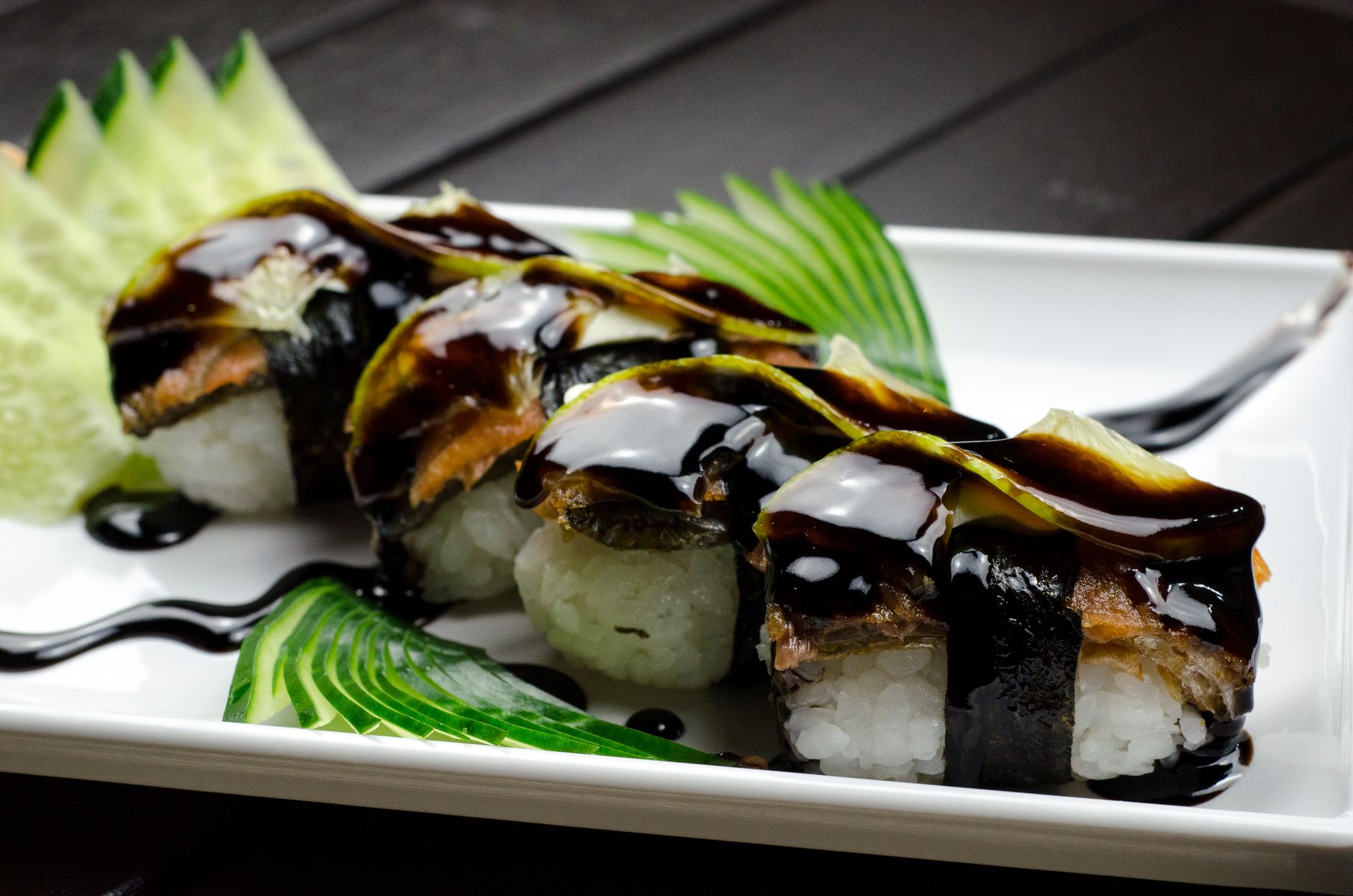
Eel sauce is a thick, sweet, and savory condiment often served with sushi and grilled dishes. Many people might assume that this flavorful sauce is suitable for a vegan diet, but that’s not always the case. Understanding its ingredients and production can help clarify this culinary question.
This article will explore whether eel sauce is vegan, its common ingredients, what to look for on labels, and how to find viable alternatives for those adhering to a plant-based lifestyle.
Is Eel Sauce Vegan?
No, traditional eel sauce is not vegan. The sauce is typically made with a base of soy sauce, sugar, and mirin, but it is called “eel sauce” because it is traditionally used as a glaze for grilled eel, which is a non-plant-based ingredient. For vegans, this means that while the sauce itself may not inherently contain animal products, its culinary association with eel disqualifies it from being vegan.
Understanding Eel Sauce Ingredients
To better understand whether eel sauce is vegan, it’s essential to break down its common ingredients:
- Soy Sauce: A fermented condiment made from soybeans, soy sauce is typically vegan. However, it’s always worth checking the label for any hidden animal products, especially in lower-quality, flavored, or specialty versions.
- Sugar: While most sugar is derived from plants, some sugar can be processed with bone char. This processing method can render it non-vegan, so it’s ideal to opt for organic or certified vegan sugar.
- Mirin: This sweet rice wine is usually vegan. However, some varieties may contain small amounts of alcohol or additives, so checking the label is essential.
- Thickening Agents: Some recipes include starches or gums for thickening, which are typically vegan, but it’s worth confirming if any animal-derived products are involved.
Identifying Eel Sauce on Labels
When shopping for eel sauce, the best practice is to check the label for specific terms. Here are some key aspects to look for:
- Ingredients List: Always review the ingredients list for any mention of eel, fish sauce, or other animal-derived components.
- Vegan Certifications: Some brands may carry a vegan certification, indicating that they have been verified as free from animal products.
- Presence of Eel or Fish: If you see words like “unagi” or other fish products, it’s a clear sign the sauce is not suitable for vegans.
Where to Find Vegan Alternatives to Eel Sauce
If you are looking to replicate the sweet, savory, and umami-rich flavors of eel sauce without using animal products, there are several viable alternatives:
1. Homemade Vegan Eel Sauce
Creating your own vegan eel sauce can be a straightforward process. Here’s a simple recipe to make it:
- Ingredients:
- 1/2 cup soy sauce or tamari (for gluten-free)
- 1/4 cup mirin (or a blend of rice vinegar and sugar)
- 1/4 cup brown sugar or maple syrup
- 1 tablespoon cornstarch mixed with 1 tablespoon water (as a thickener)
Instructions:
- In a saucepan, combine soy sauce, mirin, and sugar over medium heat.
- Stir until the sugar dissolves.
- Once dissolved, add the cornstarch mixture and stir well.
- Cook for an additional 3-5 minutes or until the sauce thickens.
- Remove from heat and allow it to cool.
2. Store-Bought Vegan Sauces
Many brands offer vegan alternatives to eel sauce. Look for teriyaki or sweet soy sauces that do not contain fish or animal products. Some suggestions include:
- Check the organic section of your local grocery store for vegan teriyaki sauces.
- Brands like Kikkoman or Trader Joe’s often carry vegan-friendly options.
- Specialty Asian markets may have a variety of sauces specifically labeled as vegan.
3. Appropriate Substitutions
When using sauces, consider the function they serve in the dish. If you’re replacing eel sauce in a recipe:
- Teriyaki Sauce: This can serve as a sweet and savory replacement.
- Sweet Soy Sauce: Similar flavor profile but vegan-friendly.
- Hoison Sauce: A sweeter alternative, it can work in a pinch depending on the dish.
Cooking with Eel Sauce Alternatives
When substituting in recipes, keep in mind that flavors, sweetness, and texture may vary. Here are some tips for incorporating your chosen vegan alternatives:
- Taste as You Go: Since flavors may differ, small adjustments can ensure desired flavor profiles.
- Adjusting Sweetness: If your substitute is sweeter, consider reducing added sugars in the recipe.
- Reduce Salt: If using a soy-based sauce, check the sodium content to avoid overly salty dishes.
Common Mistakes with Eel Sauce and its Alternatives
While cooking with eel sauce or its vegan alternatives, certain pitfalls may arise. Being aware of them can help you avoid unwanted outcomes:
- Overcooking: Overheating can lead to a burnt flavor. Instead, simmer gently when reducing sauces.
- Ignoring Labels: Clearly check labels on store-bought alternatives to ensure they meet dietary preferences.
- Not Balancing Flavors: If using a sweeter substitute, balance the flavor with umami-rich ingredients like mushrooms or a touch of vinegar.
Serving Suggestions for Eel Sauce Alternatives
Vegan alternatives to eel sauce can be used in various dishes. Here are some serving ideas:
- Drizzle over grilled vegetables for a sweet and umami punch.
- Use as a glaze for tofu or tempeh before grilling or roasting.
- Add to stir-fries for a burst of flavor.
- Mix into rice or grain bowls to enhance a variety of textures and tastes.
Storage and Shelf Life of Eel Sauce and Alternatives
Proper storage is essential for maximizing the shelf life of your sauces. Here are some guidelines:
- Homemade Sauce: Store in an airtight container in the refrigerator for up to two weeks.
- Store-Bought Sauce: Once opened, it typically lasts for several months in the refrigerator; always refer to the expiration date on the bottle.
- Freezing Alternatives: You can freeze homemade sauces in ice cube trays for easy portioning and long-term use.
Nutritional Aspects of Eel Sauce and Its Vegan Alternatives
Understanding the nutritional content can be crucial for those managing their diet. Here are some general considerations for both eel sauce and its vegan substitutes:
- Calories: Traditional eel sauce tends to be calorie-dense due to the sugar content. Vegan alternatives can vary, particularly if using less sugar or different sweeteners.
- Sodium Levels: Soy-based products can be high in sodium, so look for low-sodium options when necessary.
- Additives: Homemade sauces often lack preservatives and additives, making them a healthier option than some commercial varieties.
Conclusion
While traditional eel sauce is not vegan due to its association with eel, there are plenty of alternatives available. Whether you choose to make your own sauce or explore the various vegan products on the market, it’s possible to enjoy delicious flavors without compromising your dietary choices.
For a direct approach, consider making homemade vegan eel sauce or exploring vegan store-bought options. Understanding ingredient labels and being informed will help you make the best choices for your meals.
To further enhance your culinary experience, feel free to check out our article on eel sauce recipe for a unique twist, or explore other cooking tips and guides.