
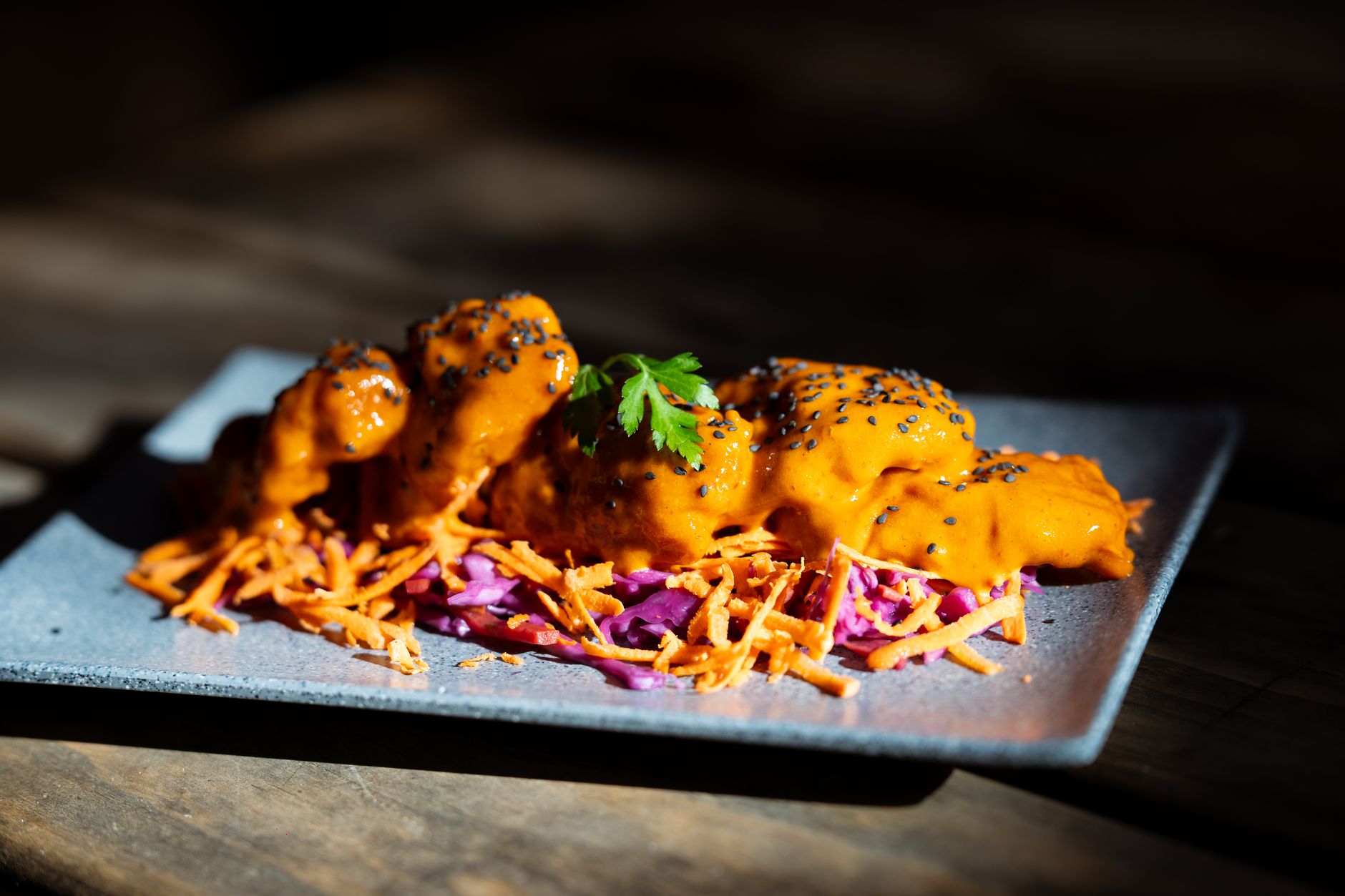
Gochujang, the beloved Korean chili paste, is a staple in various dishes, bringing both heat and a hint of sweetness. However, if you’re following a gluten-free diet or have gluten sensitivities, you may wonder about its safety. Understanding the ingredients that make up gochujang and labeling tips can help you enjoy this flavorful condiment without worry.
This article explores whether gochujang is gluten-free, the common ingredients in this paste, and essential tips for reading labels to ensure you choose gluten-free options. Let’s delve into the world of gochujang and uncover if it aligns with your dietary needs.
Is Gochujang Gluten Free?
Many gochujang products are gluten-free, but it ultimately depends on the brand and the ingredients used. Traditional gochujang is made with glutinous rice, which does not contain gluten, but some manufacturers may include wheat flour as a thickening agent. Always check the label to ensure that the product is certified gluten-free if you have any concerns.
What is Gochujang?
Gochujang is a fermented Korean chili paste that blends flavors of spice, sweetness, and umami. Made primarily from red chili powder, glutinous rice, fermented soybeans, and salt, it adds depth and complexity to a variety of dishes. The paste varies in heat levels, making it versatile for different palates and culinary applications.
The texture of gochujang is thick and sticky, which makes it ideal for marinades, sauces, and even stews. Its ability to enhance dishes without overpowering the other flavors has contributed to its rise in popularity beyond Korean cuisine, appearing in fusion dishes and various international recipes.
Understanding Common Gochujang Ingredients
Knowing the ingredients in gochujang can help you determine whether it’s gluten-free. Here’s a closer look at the key components:
- Red Chili Powder: Provides the heat and distinct red color. This ingredient is generally gluten-free.
- Glutinous Rice: Also known as sticky rice, it’s used for its chewy texture during fermentation. It does not contain gluten and is safe for those with gluten sensitivities.
- Fermented Soybeans: A critical element that contributes to the umami flavor. Soybeans themselves are gluten-free, though some fermented soy products could contain gluten if they use wheat as an additive.
- Salt: Used for flavor and preservation; generally gluten-free.
- Wheat Flour: Sometimes used as a thickener, this is where gluten can enter the equation. If the product includes wheat flour, it is not gluten-free.
Label-Reading Tips for Gochujang
To confidently choose gluten-free gochujang, consider these practical label-reading tips:
- Look for a Gluten-Free Certification: Many brands will clearly mark their products as gluten-free, making it easier for you to identify safe options.
- Check the Ingredients List: Familiarize yourself with the common ingredients in gochujang (as mentioned above) and watch out for any non-gluten-free ingredients like wheat flour or barley.
- Avoid Products with “Wheat” or “Barley”: Any mention of these grains indicates the product is not safe for gluten-sensitive individuals.
- Research Brand Reputation: Some brands are known for producing gluten-free products; research or look for customer reviews to ensure a brand’s commitment to gluten-free production.
- Contact the Manufacturer: If in doubt, reach out to the brand directly to inquire about gluten content and production practices to avoid cross-contamination.
Popular Brands of Gochujang
While many brands produce gochujang, here are a few popular options known for their quality and adherence to gluten-free standards:
- Chung Jung One: This brand offers a gluten-free variety clearly labeled for consumers.
- Miso & Co: Known for its dedication to gluten-free products, Miso & Co provides a gochujang that caters to those with gluten restrictions.
- Amazon Brand – Happy Belly: Offers a gluten-free option, giving consumers a budget-friendly alternative.
- Sempio: This brand includes gluten-free options and is widely available in many grocery stores.
How to Use Gochujang in Cooking
Gochujang can elevate a dish with its unique flavor profile. Here are a few ideas on how to incorporate it into your cooking:
- Marinades: Mix gochujang with ingredients like soy sauce (ensure it’s gluten-free), sesame oil, and garlic for a delicious marinade for meats or tofu.
- Soups and Stews: Add a spoonful to enhance the flavor of broths, soups, and stews, balancing the spice with sweet and savory elements.
- Dipping Sauce: Combine it with vinegar, sesame oil, and sugar for a spicy dipping sauce great for dumplings or vegetables.
- Salad Dressings: Whisk into salad dressings for a spicy kick that livens up leafy greens.
- Mix into Rice or Quinoa: Stir into cooked rice or quinoa for a new exciting flavor that can be served with vegetables or meats.
Common Substitutions for Gochujang
If you can’t find gochujang or need a substitute, several alternatives can mimic its flavor profile:
- Sriracha: Offers similar heat but lacks the deep umami flavor of fermented ingredients. Use sparingly as it may be thinner in texture.
- Chili Garlic Sauce: Provides spice and some garlic flavor. Mix it with a little sugar for sweetness comparable to gochujang.
- Homemade Gochujang Substitute: Combine red pepper flakes with miso paste and a touch of sugar to imitate the flavor profile.
- Harissa: A North African chili paste that offers a bit of a different flavor but can be a suitable substitute in a pinch. Adjust to taste.
Potential Health Benefits of Gochujang
Gochujang not only adds flavor but also offers some potential health benefits, owing to its ingredients:
- Rich in Antioxidants: The red chili peppers used contain capsaicin, which has antioxidant properties.
- Fermentation Benefits: The fermentation process may contribute to gut health, similar to how other fermented foods do.
- Low in Calories: Gochujang is relatively low in calories compared to other condiments, allowing for flavor without an overload of calories.
Common Mistakes When Using Gochujang
When incorporating gochujang into your cooking, it is essential to avoid some common pitfalls:
- Using Too Much: Gochujang has a potent flavor; start with a small amount and adjust to your preference.
- Forgetting to Balance Flavors: If you’re using gochujang in a sauce or dish, add sweetness and acidity to balance the heat.
- Neglecting to Mix Well: Ensure that gochujang is mixed thoroughly into sauces or marinades to prevent uneven flavor.
Storage Tips for Gochujang
Proper storage can prolong the shelf life of gochujang, ensuring it remains fresh:
- Refrigeration: Once opened, store gochujang in the refrigerator to maintain its flavor and freshness.
- Airtight Containers: If it’s purchased in bulk or transferred from its original packaging, use an airtight container to prevent moisture and contamination.
- Check Expiry Dates: Always glance at the expiration date and consume within a reasonable time frame for the best flavor.
Exploring Gochujang Recipes
Now that you’re familiar with gochujang and its applications, consider trying out recipes to incorporate this flavorful condiment:
- Gochujang Sauce Recipe: Perfect as a marinade or dressing.
- Is Gochujang Spicy?: Discover the heat level of gochujang and how to adjust to your taste.
In summary, gochujang can be a delightful addition to your kitchen, provided you choose gluten-free brands or versions. Enjoy experimenting with this flavorful chili paste while being mindful of ingredient labels. With gochujang, you can expand your culinary horizons while adhering to your gluten-free lifestyle. Don’t hesitate to explore the recommended recipes and elevate your meals with this spicy, sweet, and umami-rich paste.
For more culinary inspiration, discover related recipes and cooking tips to further enhance your cooking journey.