
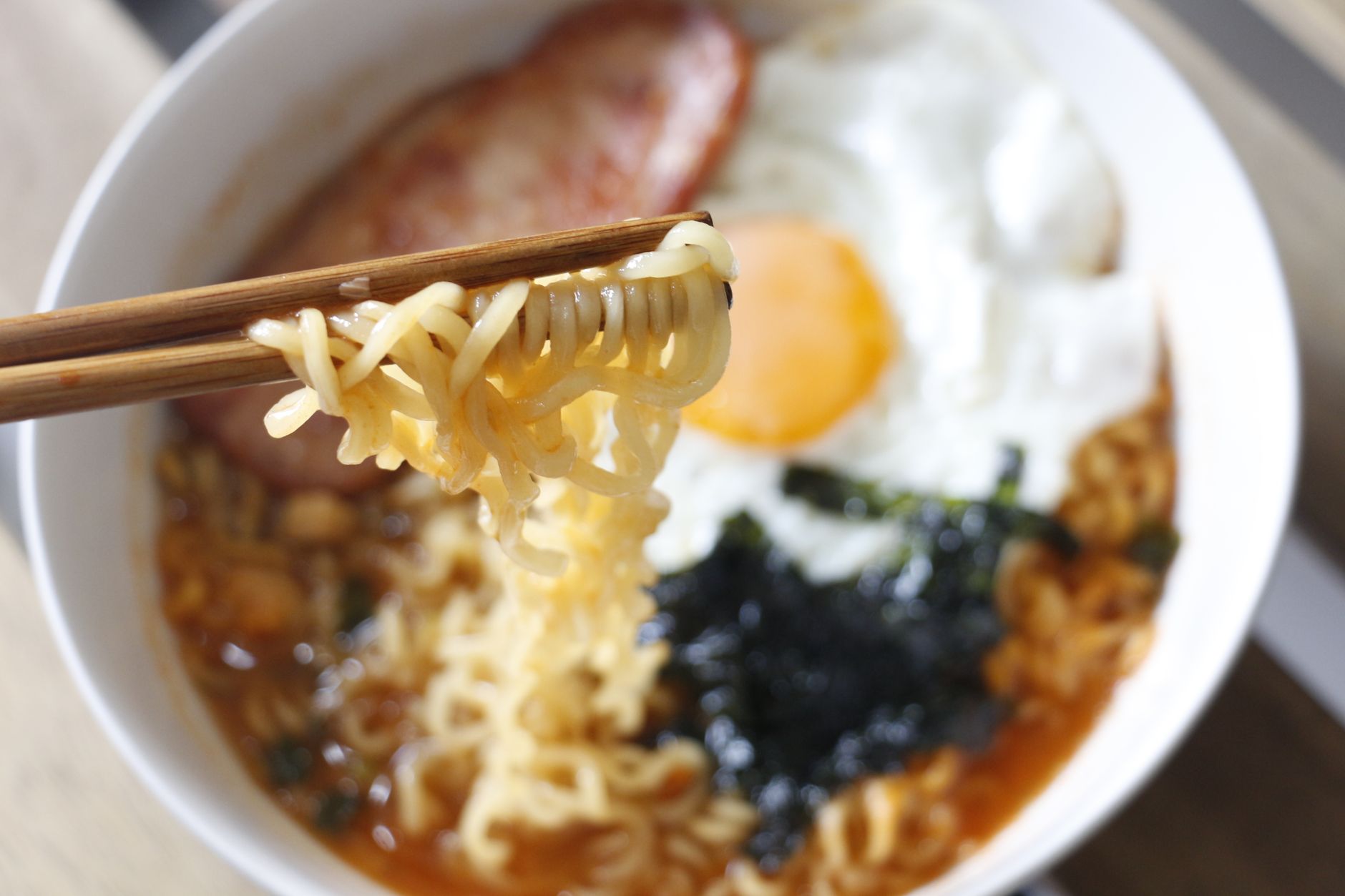
Shin Ramyun is a popular instant ramen known for its bold flavor and satisfying texture. But for those adhering to a vegetarian diet, the question arises: Is Shin Ramyun vegetarian? This article delves into the ingredients in Shin Ramyun, discusses its suitability for vegetarians, and explores some plant-based alternatives.
Understanding the components of Shin Ramyun is essential for anyone with dietary restrictions. Read on to discover what makes this instant noodle dish unique, its vegetarian status, and plant-based swaps to enjoy a similar experience sans meat.
Is Shin Ramyun Vegetarian?
No, traditional Shin Ramyun is not considered vegetarian. The primary ingredients in Shin Ramyun include beef extract and other animal-derived substances, which make it unsuitable for a vegetarian diet. However, some variants and recipes allow for delicious plant-based adaptations.
Ingredients Breakdown
To understand why Shin Ramyun is not vegetarian, let’s break down the typical ingredients found in the classic recipe:
- Instant noodles made from wheat flour
- Seasoning powder containing beef extract
- Spices and flavor enhancers
- Vegetable powder (onion, garlic, etc.)
- Salt
- Sunflower oil
- Preservatives
The presence of beef extract is key to determining its non-vegetarian status. This component is derived from beef, making it incompatible with vegetarian diets. Always verify the ingredient list on the packaging for the most accurate information, as product formulations can change.
Vegetarian Alternatives to Shin Ramyun
For those who love the flavor profile of Shin Ramyun but want a vegetarian option, a few alternatives exist. Below, we explore various plant-based noodles and seasoning alternatives that can replicate that bold taste.
1. Vegetarian Instant Noodles
Several brands offer vegetarian instant noodles that provide similar textures and flavors. Options include:
- Nissin Top Ramen: The soy sauce flavor is a good vegetarian option, free from meat extracts.
- Samyang Buldak Ramen: The cheese flavor is vegetarian-friendly and packs a punch.
- Indomie Mi Goreng: A fried noodle variant that is very flavorful and vegetarian.
2. Making Your Own Shin Ramyun Substitute
If you prefer home cooking, you can create a vegetarian ramen dish that mimics the savory depths of Shin Ramyun. Here’s how:
Homemade Vegetarian Ramen Recipe
This recipe yields a delicious bowl of vegetarian ramen that features rich flavors and satisfying noodles.
- 200g ramen noodles
- 4 cups vegetable broth
- 2 tablespoons soy sauce
- 1 tablespoon miso paste
- 1 teaspoon chili paste (optional, depending on heat preference)
- Vegetables of your choice (bell peppers, mushrooms, bok choy, etc.)
- Green onion for garnish
Instructions:
- Boil the noodles according to the package instructions. Drain and set aside.
- In a pot, combine the vegetable broth, soy sauce, miso paste, and chili paste. Heat until simmering.
- Add the vegetables and cook for a few minutes until tender.
- In a bowl, combine the cooked noodles and the broth with vegetables.
- Garnish with chopped green onion before serving. Enjoy your homemade vegetarian ramen!
3. Plant-Based Seasoning Packs
Another approach is to find vegetarian seasoning packs. These packs often include similar flavors without the animal products. Check local Asian grocery stores or specialty online retailers to find vegetarian bulgogi seasoning or spicy broth powders that contain no meat ingredients.
Flavor Profile Comparison
While Shin Ramyun has a unique spicy and savory flavor profile, vegetarian substitutes can be crafted to mimic this while still being meat-free. The use of miso, soy sauce, and various spices can help you achieve the complexity found in Shin Ramyun. Establishing the right balance of umami, spice, and savory notes is critical.
Tips for Customizing Vegetarian Ramen
When creating your vegetarian ramen bowl, customize it to suit your tastes with the following tips:
- Add Proteins: Consider adding tofu, tempeh, or edamame for protein.
- Incorporate Greens: Spinach, kale, or bok choy not only enhance the nutritional value but also add textures.
- Experiment with Broths: Homemade or store-bought vegetable broth can further develop flavors.
- Spices and Toppings: Top with sesame seeds, chili oil, or furikake for added flavor and crunch.
Common Mistakes to Avoid
As you dive into making your vegetarian ramen, consider these common mistakes:
- Skipping the umami: Don’t overlook ingredients like miso or soy sauce, which heighten flavor profiles.
- Overcooking vegetables: Add heartier vegetables first and more delicate greens towards the end to avoid mushiness.
- Neglecting garnish: Final touches of fresh herbs or spicy oils can elevate your dish dramatically.
Storage and Reheating Tips
To keep your homemade vegetarian ramen fresh, consider the following storage advice:
- Store noodles and broth separately if possible to prevent sogginess.
- Refrigerate in an airtight container for up to three days.
- When reheating, add a bit of water or broth to revitalize flavors and prevent drying out.
Final Thoughts on Shin Ramyun and Vegetarianism
Shin Ramyun is not suitable for vegetarians due to the inclusion of beef extract in its seasoning. However, with a variety of vegetarian alternatives available and the ability to create homemade versions, it’s easy to enjoy a nutritious and flavorful ramen experience without compromising dietary choices.
For those seeking quick solutions, consider stockpiling vegetarian instant noodles or exploring recipes that replicate the enticing flavors of Shin Ramyun. With creativity and the right ingredients, satisfying your craving for this beloved instant ramen is well within reach.
If you’re looking for some fresh ideas, try making a ramen salad or a creamy ramen dish for a different twist. Happy cooking!