
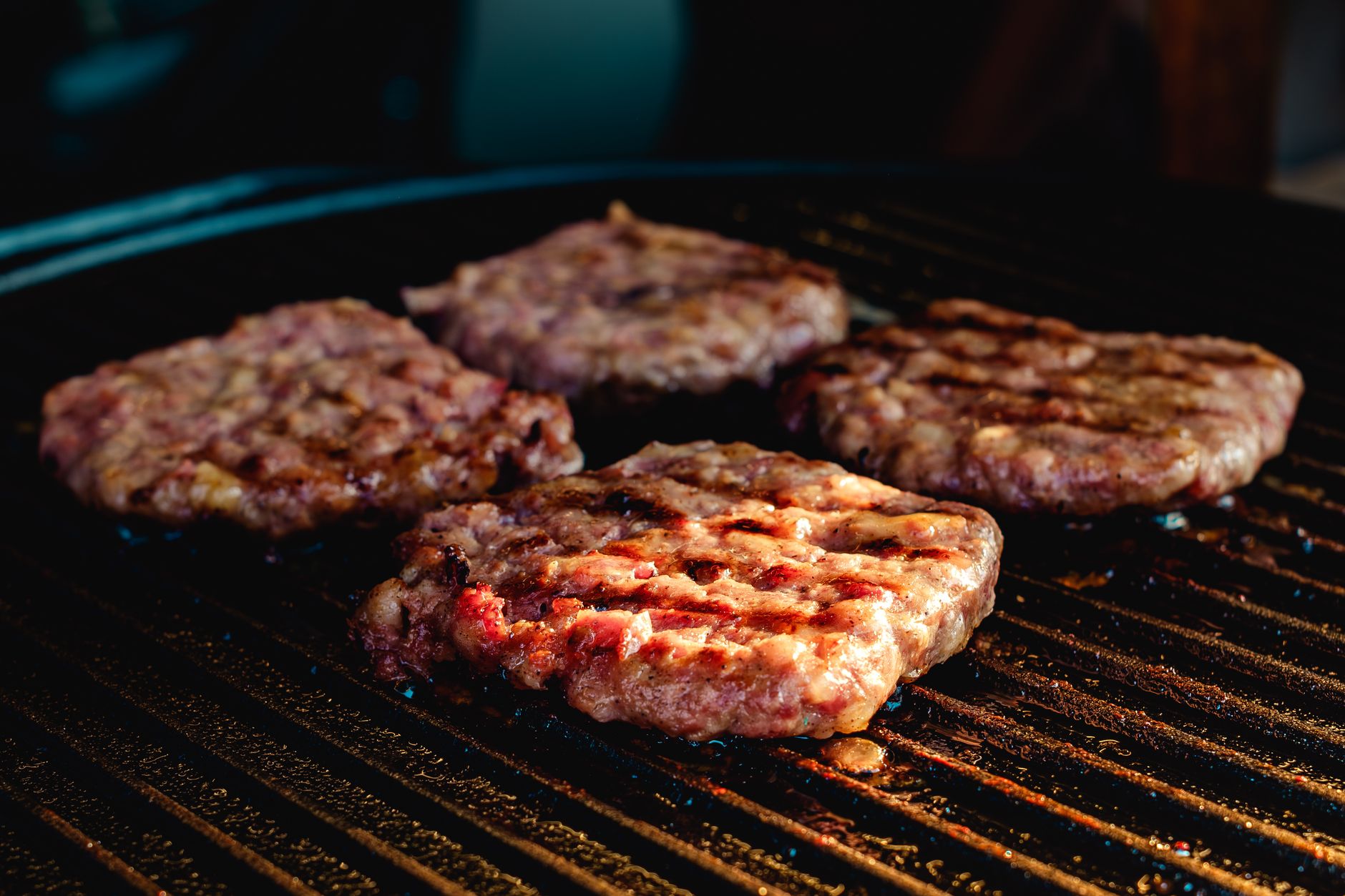
The humble hamburger is a beloved fast food staple, enjoyed for its juicy texture and savory flavors. But what exactly goes into making a hamburger? Understanding its ingredients is not only essential for home cooking but also helps you make informed choices when dining out or grilling at home.
This comprehensive guide delves into the components that create this iconic dish, offering insights into the types of meats, buns, toppings, and condiments that enhance its flavor and presentation. Get ready to transform your hamburger experience!
What Are Hamburgers Made Of?
Hamburgers are primarily made of ground beef but can also include a variety of meats and alternative proteins. Key components include the burger patty, bun, toppings, and condiments. Together, these elements create the classic hamburger experience that many adore.
Ingredients Breakdown
Let’s dive into the typical components of a hamburger:
- Patty: This is the heart of any hamburger, typically made from ground beef.
- Bun: A soft, often toasted bread component that holds everything together.
- Toppings: Select vegetables and other ingredients that add flavor and texture.
- Condiments: Sauces and spreads that enhance the overall taste.
1. The Patty
The patty is the core of the hamburger. Here are the main types:
- Ground Beef: The most common choice, typically with a fat content between 15% to 20% for optimal juiciness and flavor.
- Other Meats: Ground turkey, chicken, pork, or lamb can also be used but they require different cooking techniques to ensure doneness and flavor.
- Plant-Based Options: Beyond Meat and Impossible Burgers are popular alternatives for those seeking vegetarian or vegan options.
2. The Bun
Buns offer a base for burgers and can significantly affect the overall taste and texture. Common options include:
- Sesame Seed Bun: A classic choice with a slight nutty flavor from the seeds.
- Brioche Bun: Rich, buttery flavor with a soft texture; often a favorite for gourmet burgers.
- Whole Wheat Bun: A healthier alternative, providing more fiber and nutrients.
- Lettuce Wrap: A low-carb option that replaces the bun with crisp lettuce for those seeking a lighter meal.
3. Toppings
Toppings add an extra dimension to hamburgers, offering fresh flavors and textures. Common toppings include:
- Lettuce: Provides crunch and freshness.
- Tomato: Adds juiciness and a slight acidity.
- Onion: Provides sharpness; can be used raw, grilled, or caramelized.
- Cheese: American, cheddar, Swiss, or blue cheese give richness and creaminess.
- Pickle: Offers tanginess that complements the savory patty.
4. Condiments
Condiments play a crucial role in enhancing flavors. Some popular options include:
- Ketchup: Adds a sweet and tangy flavor.
- Mustard: Provides a sharp, zesty element.
- Mayonnaise: Creamy and rich, balancing other flavors.
- BBQ Sauce: Adds a smoky, sweet flavor that pairs well with grilled meats.
- Hot Sauce: For those seeking heat and spice.
Making the Hamburger Patty
Now that we’ve discussed the ingredients, let’s focus on how to prepare the patty itself. The patty is central to the burger’s flavor and texture.
Choosing the Right Meat
Selecting the right type of ground meat is essential for creating a flavorful burger. Ground beef is most common; however, you can use blends of meats for unique flavors. Aim for an 80/20 ratio of lean meat to fat for juiciness.
Forming the Patty
- Take your ground meat and gently mix it in a bowl. Avoid overworking the meat to ensure tenderness.
- Divide the meat into equal portions (about 4-6 ounces each).
- Gently form each portion into a patty. Make a slight indentation in the center using your thumb to prevent bulging during cooking.
- Season both sides with salt and pepper just before cooking.
Cooking the Patty
There are several methods to cook the patties:
- Grilling: Increases flavor through charred edges; preheat the grill and cook each side for about 4-5 minutes on medium-high heat.
- Pan-Frying: Use a cast-iron skillet to achieve a crispy exterior; cook on medium-high heat and add oil if needed.
- Baking: Cook in a preheated oven at 400°F for about 15-20 minutes if you prefer a healthier method without added fats.
Regardless of the method, ensure the internal temperature reaches 160°F for beef or 165°F for poultry for safety.
Common Mistakes When Making Hamburgers
Even seasoned cooks can make mistakes while preparing hamburgers. Here are several common pitfalls to avoid:
- Overmixing the Meat: This can lead to tough burgers. Handle the meat gently.
- Not Using Enough Seasoning: Salt amplifies flavor. Don’t skip it.
- Pressing Down on Patties: Resist the urge to smash the patties with a spatula while they cook; this releases juices and dries them out.
- Cooking at Too High a Temperature: High heat can cause the outside to burn while the inside remains undercooked.
Serving Suggestions
Once you’ve created your hamburger, consider how to present it for the best experience:
- Sides: Pair with fries, onion rings, or a fresh side salad for balance.
- Beverages: A cold beer or fizzy soda complements the rich flavors.
- Folding in Flavors: Explore unique toppings and sauces beyond the classic approach to elevate your burger. Bacon, avocado, or jalapenos can each add a surprising twist!
Storage and Reheating
Leftover hamburgers can be stored safely for later enjoyment:
- Storage: Place cooked patties in an airtight container and refrigerate for up to 3 days.
- Freezing: For longer storage, freeze patties wrapped tightly in plastic wrap. They can be stored for up to 3 months.
- Reheating: Heat in a skillet on medium-low until warmed through. For microwave reheating, cover with a damp paper towel to retain moisture.
Variations and Substitutions
Hamburgers are versatile! Here are some variations and substitutions you can consider:
- Cheese Alternatives: Try goat cheese, feta, or vegan cheese for differing flavors.
- Bun Alternatives: Consider bagels, English muffins, or even portobello mushrooms for unique textures.
- Meat Substitutes: Ground chickpeas can be used for a veggie burger; just mash them and mix with spices.
Exploring Regional Hamburger Styles
As hamburgers traverse cultural boundaries, several regions have developed their own unique styles:
- American Classic: Often topped with lettuce, tomato, onion, ketchup, and mustard.
- Jucy Lucy: A regional favorite from Minnesota, featuring cheese stuffed inside the patty.
- Smash Burger: Characterized by searing the patty on a hot surface to create a crispy crust.
- Hawaiian Burger: Includes grilled pineapple and teriyaki sauce for a tropical twist.
Each of these variations showcases how versatile the hamburger can be while still maintaining its core identity.
Final Thoughts
Understanding what goes into a hamburger empowers you to make informed choices, whether you’re crafting gourmet patties at home or selecting the best burger in a restaurant. With the right ingredients, techniques, and creativity, you can elevate your hamburger experience to delightful new heights.
For more about meat safety and storage, check out how long ground beef is good for in the fridge. Or, if you’re interested in cooking techniques, you can explore a hamburger steak recipe to diversify your meal prep. Enjoy your culinary journey with hamburgers!