
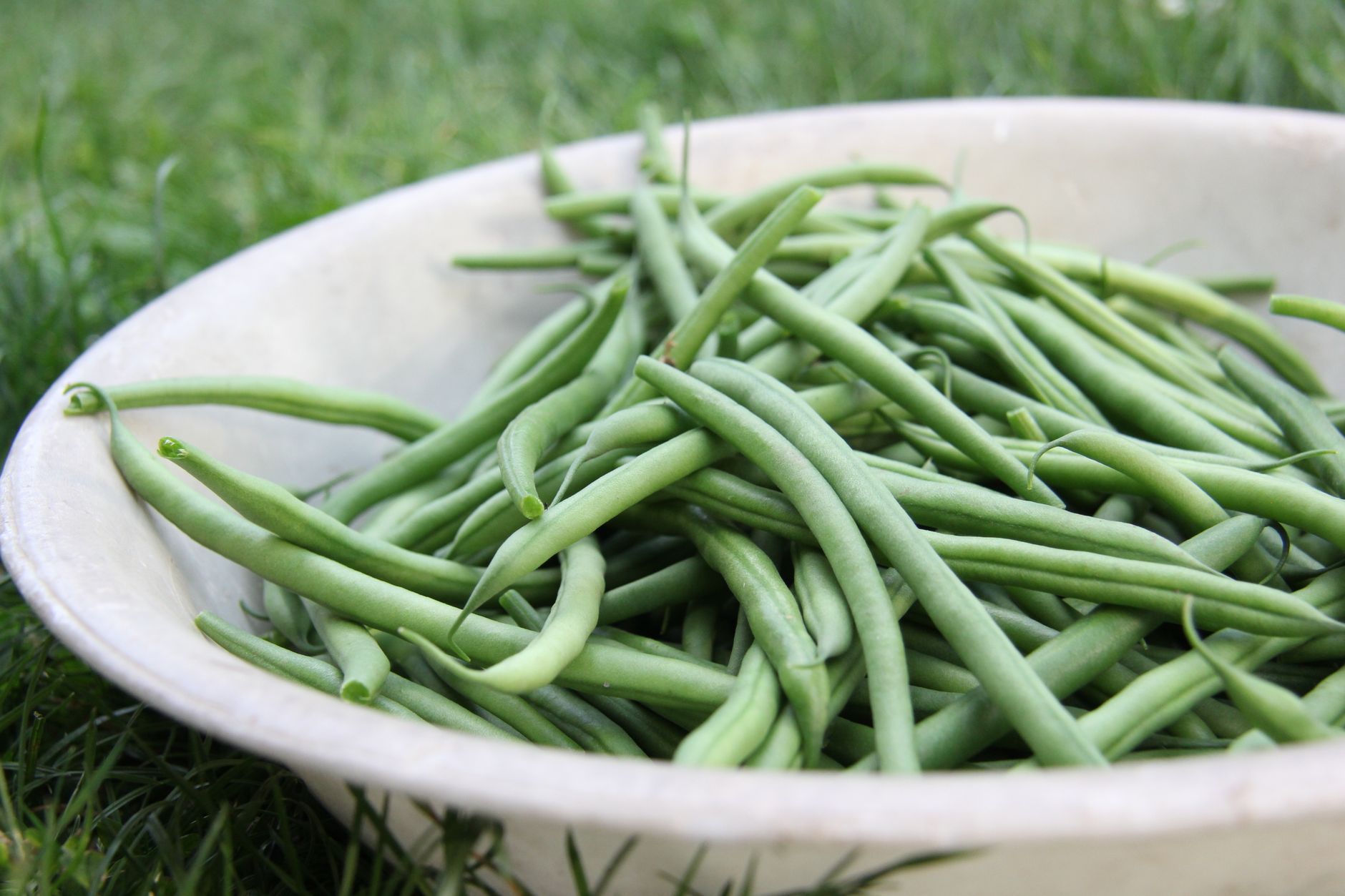
Green beans are a versatile and nutritious addition to meals, enjoyed by many for their crisp texture and vibrant flavor. However, when preparing them for a gathering or family dinner, understanding how much to serve can be a challenge. This guide will help you determine the right serving sizes for green beans, whether you’re planning a simple weeknight dinner or a festive occasion.
Calculating the right amount of green beans per person varies depending on factors such as the meal context, guest preferences, and what other dishes will be served. Here, we’ll delve into ideal portion sizes, preparation methods, and practical tips to ensure that you serve the perfect amount for any event.
How Much Green Beans Per Person?
Generally, the recommended serving size for green beans is about 1/2 cup of cooked green beans per person for a side dish. For main courses or dishes where green beans are a primary component, increase this to about 1 cup per person. This ensures that your guests have enough to enjoy without overwhelming their plates.
Factors Influencing Serving Sizes
1. Type of Meal
The type of meal you are planning will influence how many green beans you should prepare. For example, during a holiday meal or a celebratory gathering, guests may eat more than during a casual weeknight dinner. If green beans are part of a buffet with various options, consider providing a smaller portion.
2. Guest Preferences
Understanding your audience’s dietary habits will help you gauge the right amount. If you’re serving health-conscious guests or those who enjoy green beans, they might appreciate more on their plates. Offerings of variety might also contribute to how much they take from different dishes.
3. Accompaniments Served
If your menu includes hearty, filling dishes like lasagna or roast chicken, your guests may consume fewer green beans. Conversely, lighter meals may lead to larger portions, as green beans can make a refreshing side dish.
4. Cooking Method
The cooking method can affect the volume of green beans served. Sautéed or steamed beans tend to shrink less than boiled beans, which may lose some nutrients and texture when overcooked. Preparing green beans with a bit of garlic or olive oil can make them more appealing, resulting in your guests requesting larger servings.
Calculating Portions for Different Occasions
Casual Family Dinner
For a family dinner, aim to serve about 1/2 cup of cooked green beans per adult and 1/4 cup per child. If you have a mixed-age group, a good rule of thumb is to serve about 1/3 cup for older children and 1 cup for adults. This equates to roughly:
- 2 adult servings = 1 cup of cooked green beans
- 3 children servings = 3/4 cup of cooked green beans
- Total for a family of five = 1 3/4 cups of cooked green beans
Formal Dinner or Holiday Meal
At a formal dinner or during a holiday celebration, your guests may prefer more variety and larger portions. Here, provide about 1 cup of cooked green beans per adult and adjust for children similarly as above, resulting in a grander display. Consider that:
- 4 adults = 4 cups of cooked green beans
- 2 children = 1/2 cup of cooked green beans
- Total for a party of six = 4 1/2 cups of cooked green beans
Meal Prepping for a Week
If you’re meal prepping, consider cooking a larger amount to use throughout the week. One way to manage this is to estimate servings by portioning out 1 cup of cooked green beans per meal. If you’re preparing for 5 meals, that would add up to:
- 5 cups of cooked green beans
- This translates to about 2 1/2 cups of raw green beans (as they reduce when cooked).
Preparing Green Beans
Offering delicious green beans begins with knowing how to prepare them properly. Below are straightforward steps to ensure they are flavorful and tender, without losing their vibrant color or crunch.
Ingredients Needed
- Fresh green beans (about 1 pound for every 4 servings)
- Water (for boiling or steaming)
- Salt (to taste)
- Olive oil, garlic, or other seasonings (optional for flavor)
Preparation Method
- Begin by rinsing the green beans under cool water to remove any dirt.
- Trim the ends of the beans: snap or cut off the stem end without removing too much of the bean.
- Choose your cooking method: boiling, steaming, or sautéing.
- Boiling: Bring a large pot of salted water to a rolling boil. Add the green beans and cook for 3-5 minutes, until bright green and tender-crisp. Drain and rinse under cold water to stop the cooking process.
- Steaming: Place the beans in a steaming basket over boiling water. Cover and steam for 5-7 minutes, checking for doneness.
- Sautéing: Heat olive oil in a skillet over medium heat. Add minced garlic, if desired, and sauté for 30 seconds. Add the green beans, salt, and sauté for 5-7 minutes until tender but still green.
- Season to taste, and serve warm.
Common Preparation Mistakes
- Overcooking can lead to mushy beans. Aim for tender-crisp textures to maximize flavor and nutrition.
- Skipping the rinse can leave dirt and debris on your beans. Always wash them thoroughly.
- Using too much water when boiling can dilute flavors. Stick to lightly salted water for better taste.
Flavor Variations and Substitutions
Green beans are fun to flavor. Depending on your meal plan or dietary constraints, you might want to try different preparation methods or flavoring options:
1. Garlic and Lemon
Add minced garlic and a squeeze of lemon juice to the beans just after cooking. This adds brightness and enhances the natural flavor.
2. Almondine
Saute sliced almonds with the green beans to create a crunchy topping. This adds both texture and flavor.
3. Bacon or Ham
Include crispy bacon bits or diced ham for a hearty addition. This adds a smoky dimension to the dish.
4. Other Green Vegetables
If you are in need of a substitute or variation, consider using asparagus or snap peas. They provide similar textures and flavors and can cook in a similar timeframe.
Storage and Meal Prep Tips
Storing green beans correctly will prolong their freshness and flavor:
Fresh Storage
- Unwashed, fresh green beans can be stored in the vegetable crisper drawer of your refrigerator for up to one week.
- Keep them in a breathable bag or container to maintain humidity and prevent spoilage.
Cooked Storage
- Store leftover cooked green beans in an airtight container; they can last up to 3-4 days in the refrigerator.
- For longer storage, green beans can be frozen. Blanch them before freezing to maintain their color and texture.
Reheating Cooked Green Beans
When reheating cooked green beans, avoid overcooking. Here are a few methods:
- Microwave: Use medium power until heated through. A damp paper towel can help retain moisture.
- Stovetop: Quickly sauté them in a pan over medium heat, adding a splash of water to steam them gently.
- Oven: Set the oven to a low temperature and place the beans in a covered dish for about 15 minutes.
Serving Suggestions
Green beans pair well with a variety of main and side dishes. Here are some great options:
- Grilled chicken or turkey
- Beef or pork roasts
- Vegetable risottos or pasta dishes
- Salads or cold pasta salads
In conclusion, knowing how much green beans to serve is essential for effective meal planning. By considering the meal context, guest preferences, and portion sizes, you can ensure you’ll have the right amount for everyone. Preparing and serving green beans may seem straightforward, but attention to portioning and flavor enhancements will elevate this delicious vegetable on your dinner table.
Explore more about cooking techniques for green beans in our guide on how long to cook fresh green beans or get inspired with our French green beans recipe.