
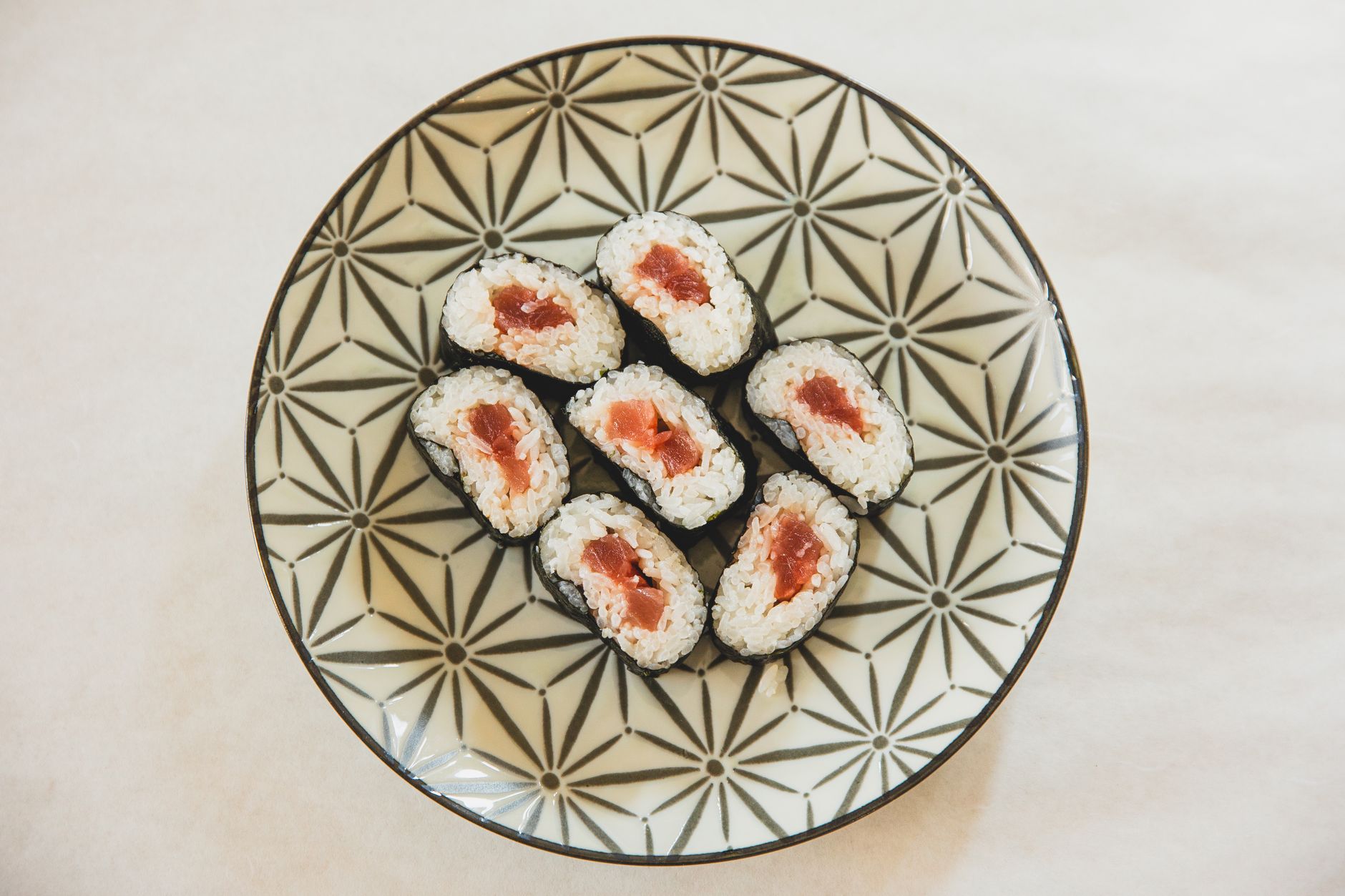
Hosomaki is a traditional Japanese sushi roll characterized by its simple and distinct presentation. Unlike its larger counterpart, uramaki, it typically includes a single filling wrapped in rice and nori (seaweed). This guide will explore hosomaki’s ingredients, flavors, and serving methods, making it a delightful experience for sushi lovers and home cooks alike.
With its fresh ingredients and quick preparation, hosomaki offers a versatile option for any meal. Its compact size and variety make it suitable for everything from casual lunches to elegant dinner presentations. Let’s discover hosomaki in detail, emphasizing everything from its preparation to delicious variations.
What Is Hosomaki?
Hosomaki is a type of sushi that is usually made with a single filling wrapped in vinegared sushi rice and nori. It is smaller than other sushi types, measuring about 2 to 3 inches in diameter. The most typical fillings include seafood, vegetables, or even pickles. Hosomaki’s name translates to “small roll” in Japanese, which reflects its compact size and uncomplicated nature.
Ingredients of Hosomaki
Creating hosomaki requires a few essential ingredients, each playing a crucial role in achieving the perfect balance of flavor and texture. Here is a list of key ingredients:
- Sushi Rice: Short-grain Japanese rice is typically used. Its sticky texture helps the rice hold together.
- Nori: Dried seaweed sheets that provide a flavorful wrap for the rice and fillings.
- Fillings: Common choices include raw fish (like tuna or salmon), vegetables (such as cucumber or avocado), and even pickled ingredients.
- Sushi Vinegar: A mixture of rice vinegar, sugar, and salt that gives sushi rice its characteristic flavor.
- Optional Garnishes: Soy sauce, wasabi, and pickled ginger are often served alongside hosomaki for additional flavor.
Quantity and Preparation Details
For a standard batch of hosomaki, the following quantities are recommended:
- 1 cup sushi rice
- 1.5 cups water
- 3 tablespoons sushi vinegar
- 4 sheets of nori
- 1 cup of your chosen filling (e.g., cucumber, tuna, or avocado)
Flavor Profile of Hosomaki
The flavor of hosomaki is a harmonious combination of the salty umami from the nori, the sweetness and tanginess from the sushi rice, and the fresh taste of the chosen filling. The simplicity of hosomaki allows the filling’s flavor to shine, making it an ideal canvas for various ingredients. The subtle seasoning from the sushi vinegar enhances the overall experience without overpowering it.
How to Serve Hosomaki
Serving hosomaki can elevate any dining experience. Here are some practical serving tips:
- Cut into Bite-Sized Pieces: Once rolled, use a sharp knife to slice the hosomaki into 6-8 bite-sized pieces for easy consumption.
- Presentation: Arrange hosomaki on a platter with colorful garnishes like pickled ginger, wasabi, or edible flowers for visual appeal.
- Dipping Sauce: Serve with soy sauce for dipping. A small bowl for each guest adds a sophisticated touch.
- Accompaniments: Consider pairing hosomaki with miso soup or a small salad for a complete meal.
Step-by-Step Guide to Make Hosomaki
Preparing hosomaki at home is an engaging activity that anyone can master. Here’s a step-by-step guide:
Essential Equipment Needed
- Rice cooker or pot for cooking sushi rice
- Sharp knife for slicing
- Bamboo sushi mat for rolling
- Medium bowl for water (to wet hands)
Method
- Rinse the Sushi Rice: Place the sushi rice in a bowl and rinse with cold water until the water runs clear. This removes excess starch.
- Cook the Rice: Using a rice cooker or pot, cook the rice with water following a 1:1.5 ratio (1 cup rice to 1.5 cups water). Allow it to cool slightly.
- Prepare Sushi Vinegar: In a small saucepan, heat the rice vinegar, sugar, and salt over low heat until dissolved. Allow the mixture to cool.
- Season the Rice: Once the rice is cooked, transfer it to a large bowl. Gradually fold in the sushi vinegar, ensuring the rice remains fluffy. Let it cool to body temperature.
- Cut the Fillings: Prepare your chosen filling. If using vegetables, slice them thinly. For fish, ensure it’s sushi-grade and cut into strips.
- Prepare Sushi Mat: Place a sheet of nori onto a bamboo mat, shiny side down.
- Spread Sush Rice: With wet hands, take a handful of sushi rice and evenly spread it over the nori, leaving about an inch at the top edge.
- Add Fillings: Lay your filling in a straight line across the center of the rice.
- Roll the Hosomaki: Starting from the edge closest to you, use the bamboo mat to gently roll the nori over the filling, applying slight pressure to create a tight roll.
- Seal the Roll: Moisten the top edge of the nori with water to seal the roll. Use your hands to gently compress the roll.
- Slice the Roll: Use a sharp knife to slice the roll into 6-8 pieces. Wetting the knife beforehand will prevent sticking.
Common Mistakes to Avoid
While preparing hosomaki can be straightforward, there are some common pitfalls to be mindful of:
- Overcooking the Rice: Ensure the sushi rice is cooked correctly for optimal stickiness. Overcooked rice can make rolling difficult.
- Using Too Much Filling: Using too much filling can prevent the roll from sealing properly. Stick to a moderate amount for the best results.
- Skipping the Water: Wet your hands and knife to avoid sticky rice. This helps maintain the roll’s integrity.
- Not Refrigerating Fillings: If using raw seafood, ensure it is sushi-grade and appropriately refrigerated before use.
Variations of Hosomaki
Although traditional hosomaki is delicious as is, there are various ways to customize these rolls. Here are some popular variations:
- Tekkamaki: A classic hosomaki filled with fresh tuna.
- Kappa Maki: A refreshing cucumber-filled hosomaki ideal for vegetable lovers.
- Futomaki: Although not hosomaki, this is a thicker roll filled with multiple ingredients, providing a different texture.
- Spicy Tuna Hosomaki: Incorporate spicy mayo and scallions with raw tuna for a zesty twist.
Storage and Make-Ahead Guidance
When it comes to storing hosomaki, here are some essential tips:
- Short-Term Storage: If stored in an airtight container, hosomaki can be kept in the refrigerator for a few hours before serving. Enjoying them fresh is best.
- Make-Ahead: It’s best to prepare hosomaki right before serving. However, you can pre-cook and season the sushi rice in advance. Cut the fillings ahead of time for quick assembly.
How to Enjoy Hosomaki
Aside from traditional dipping in soy sauce and pairing with wasabi and pickled ginger, there are several ways to enhance your hosomaki experience:
- Pair hosomaki with sake for a more authentic Japanese dining experience.
- Incorporate a side of miso soup for warmth and umami flavor.
- Consider a fresh salad with sesame dressing to balance the meal.
In summary, hosomaki is a delightful sushi option that can easily be tailored to fit personal tastes. Its simplicity makes it an excellent choice for both novice and experienced sushi makers.
Next time you’re in the mood for sushi, why not try making your own hosomaki at home?
For other culinary tips and delightful recipes, explore various cooking tips and guides offered on our blog.