
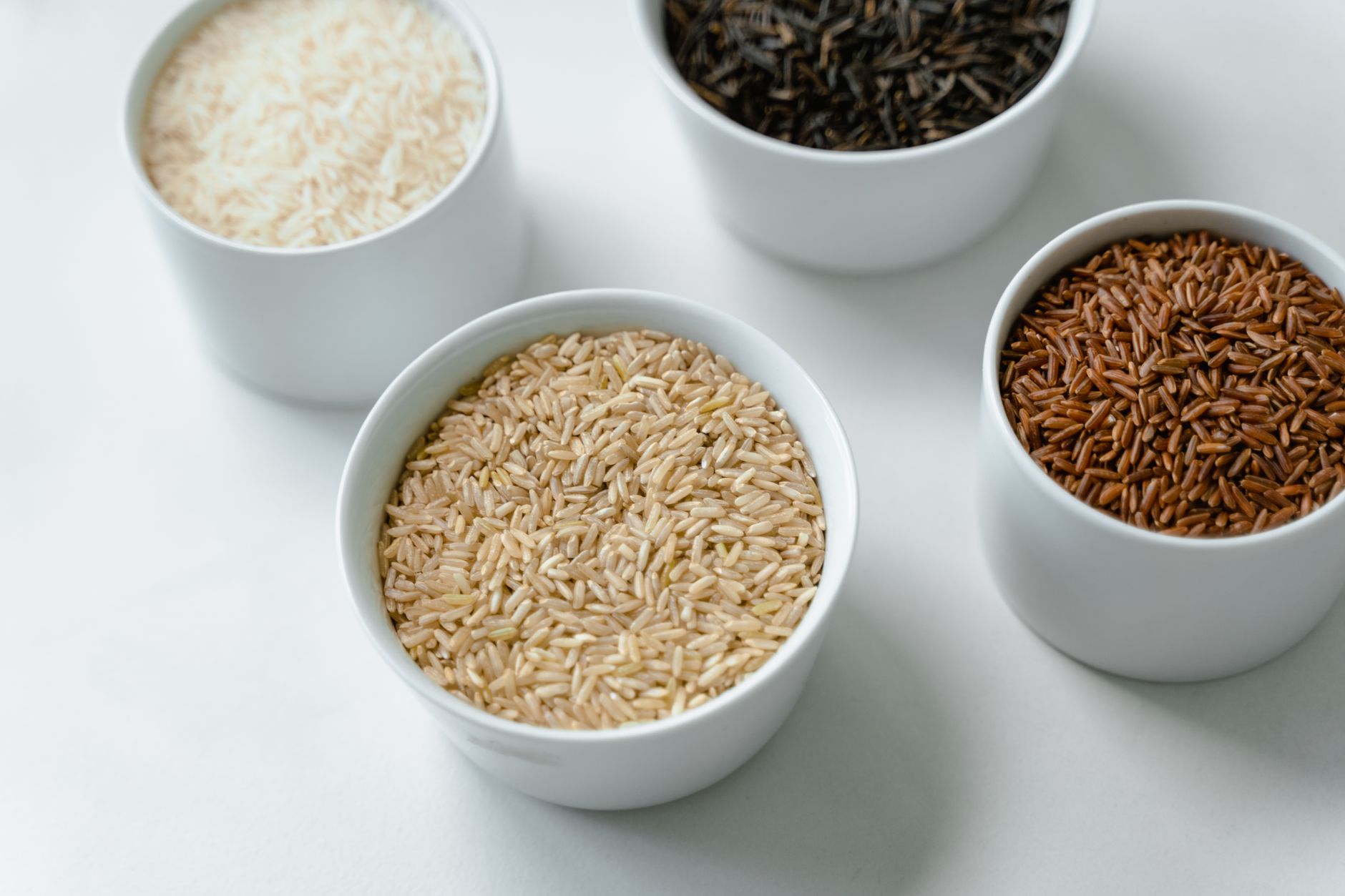
Brown rice is often promoted as a healthier alternative to white rice due to its whole grain status and the presence of additional nutrients. However, for those monitoring their carbohydrate intake—such as people following low-carb diets or those with diabetes—the question arises: Is brown rice low carb? In this article, we will delve into the nutritional profile of brown rice, serving sizes, and its role in low-carb diets.
Understanding the carbohydrate content of brown rice is essential for meal planning and dietary choices. This guide will provide a comprehensive analysis of brown rice’s nutritional facts, suggested serving sizes, and how it fits into various dietary needs and preferences.
Is Brown Rice Low Carb?
Brown rice is not considered low carb. A typical serving of cooked brown rice (around 1 cup) contains approximately 45 grams of carbohydrates. Although it has more fiber and nutrients than white rice, its carbohydrate content is still significant, which can be a concern for those on low-carb diets. Alternatives might need to be considered if reducing carbohydrate consumption is a priority.
Nutritional Profile of Brown Rice
Brown rice offers various nutrients that contribute to a balanced diet. Below is a detailed breakdown of the nutritional content per one cup (195 grams) serving of cooked brown rice:
| Nutrient | Amount |
|---|---|
| Calories | 218 |
| Total Carbohydrates | 45 g |
| Dietary Fiber | 3.5 g |
| Protein | 5 g |
| Total Fat | 1.6 g |
| Iron | 5% of the Daily Value |
| Magnesium | 21% of the Daily Value |
| Phosphorus | 16% of the Daily Value |
| Vitamin B6 | 12% of the Daily Value |
Due to its whole grain nature, brown rice retains its bran and germ, which are rich in nutrients compared to white rice. While the fiber content helps with digestive health and can aid in blood sugar control, the total carbohydrate content remains relatively high.
Serving Sizes and Recommendations
When incorporating brown rice into your meals, paying attention to portion sizes can help manage carbohydrate intake. Here are some practical serving size guidelines:
- Standard serving: 1 cup of cooked brown rice.
- For lower-carb meals, consider a ½ cup serving to reduce carbohydrate content to approximately 23 grams.
- In mixed dishes (like stir-fries or salads), reduce the amount of brown rice while increasing vegetables to maintain volume without excessive carbs.
Combining brown rice with protein sources and healthy fats can also help balance meals and mitigate blood sugar spikes. Keeping portion sizes moderate can allow you to enjoy brown rice while still adhering to low-carb dietary goals.
How Brown Rice Fits into Low-Carb Diets
Low-carb diets vary significantly in their carbohydrate restrictions. Here is how brown rice fits into two popular low-carb dieting approaches:
1. Ketogenic Diet
The ketogenic diet typically restricts carbohydrate intake to about 20-50 grams per day. Given that one cup of brown rice contains around 45 grams of carbohydrates, it is generally not suitable for those strictly following the keto guidelines. Those on this diet may replace brown rice with alternatives like cauliflower rice, which has significantly lower carb content.
2. Moderate Low-Carb Diet
For those following a moderate low-carb diet, which can include up to 100-150 grams of carbohydrates daily, brown rice can be included in smaller portions. A ½ cup serving might fit within such guidelines when balanced with other food groups, such as lean proteins and plenty of non-starchy vegetables.
Alternatives to Brown Rice
If you are looking to reduce your carbohydrate intake further, many alternatives can provide a similar texture and experience in dishes while minimizing carbs:
- Cauliflower Rice: A popular grain substitute made by grating raw cauliflower. It has about 5 grams of carbohydrates per cup.
- Zucchini Rice: Grated zucchini can be sautéed or roasted, offering a refreshing low-carb option.
- Shirataki Rice: Made from konjac plant, this rice alternative contains minimal calories and carbohydrates.
- Broccoli Rice: Another veggie alternative made by pulsing broccoli florets in a food processor. It retains nutrients and is low in carbs.
These alternatives can be excellent additions to your meals while keeping carbohydrate counts low. They also provide various nutrients compared to traditional rice.
Cooking Techniques for Brown Rice
Cooking brown rice requires a different approach than white rice due to its outer bran layer, which increases cooking time and liquid requirements. Here’s how to achieve perfectly cooked brown rice:
Basic Cooking Method
To cook brown rice, follow these steps:
- Ingredients:
- 1 cup of brown rice
- 2.5 cups of water or broth
- 1/2 teaspoon of salt (optional)
- Equipment:
- Medium saucepan with a lid
- Measuring cups
- Spoon or fork for fluffing
- Rinse the brown rice under cold water in a fine mesh strainer until the water runs clear. This helps remove excess starch and can improve texture.
- In a medium saucepan, combine the rinsed rice, water (or broth), and salt. Stir to combine.
- Bring the mixture to a boil over medium-high heat.
- Once it boils, reduce the heat to low, cover the saucepan with a lid, and simmer for about 45-50 minutes, or until the water is absorbed and the rice is tender.
- Remove from heat and let it sit covered for an additional 10-15 minutes. Fluff the rice with a fork before serving.
Cooking brown rice requires patience, but the result is a nutritious side dish rich in fiber and minerals.
Common Cooking Mistakes and Troubleshooting
Even with a straightforward recipe, mistakes can happen. Here are some commonly made errors while cooking brown rice and how to fix them:
- Too Much Water: If the rice turns out mushy, you may have added too much water. Next time, reduce the water slightly.
- Undercooked Rice: If rice remains hard, add a little more water and continue simmering for a few more minutes. Make sure to keep it covered.
- Burnt Rice: If the rice is burnt, it may have cooked at too high a temperature. Always reduce the heat once boiling.
By keeping an eye on your cooking process and adjusting as needed, you can minimize mishaps when preparing brown rice.
Storage and Reheating Brown Rice
If you make a large batch of brown rice, proper storage is essential for maintaining freshness. Here are some guidelines:
- Refrigeration: Store cooked brown rice in an airtight container in the refrigerator for up to four days.
- Freezing: For longer storage, freeze cooked brown rice. Spread it on a baking sheet to cool, then transfer to a freezer-safe bag or container. It can be stored for up to six months.
When ready to use, simply reheat the rice in the microwave with a splash of water to prevent drying out, or warm it in a saucepan over low heat. Stir occasionally to ensure even heating.
Integrating Brown Rice into Your Diet
While brown rice may not be low carb, it can still be a valuable part of a balanced diet. The fiber content can aid digestion and promote satiety. Here are ideas for integrating brown rice into meals:
- Stir-fries: Use brown rice as the base for vegetable and protein stir-fries.
- Salads: Cold brown rice can be tossed into salads for added texture and heartiness.
- Bowls: Combine brown rice with beans, roasted veggies, and lean proteins for a nourishing bowl meal.
- Stuffed Peppers: Use brown rice as a filling for stuffed bell peppers, combined with spices and other fillings.
These ideas can help you enjoy the benefits of brown rice while keeping meals balanced and nutritious.
Conclusion
Brown rice is a wholesome grain with higher fiber and nutrient content than white rice. However, it is not low-carb and should be consumed mindfully if carbohydrate reduction is a priority. By understanding its nutritional profile and exploring alternatives, you can make informed choices that fit your dietary needs.
Explore related recipes and cooking tips through these links: instant pot brown rice recipe and protein brownies recipe.