
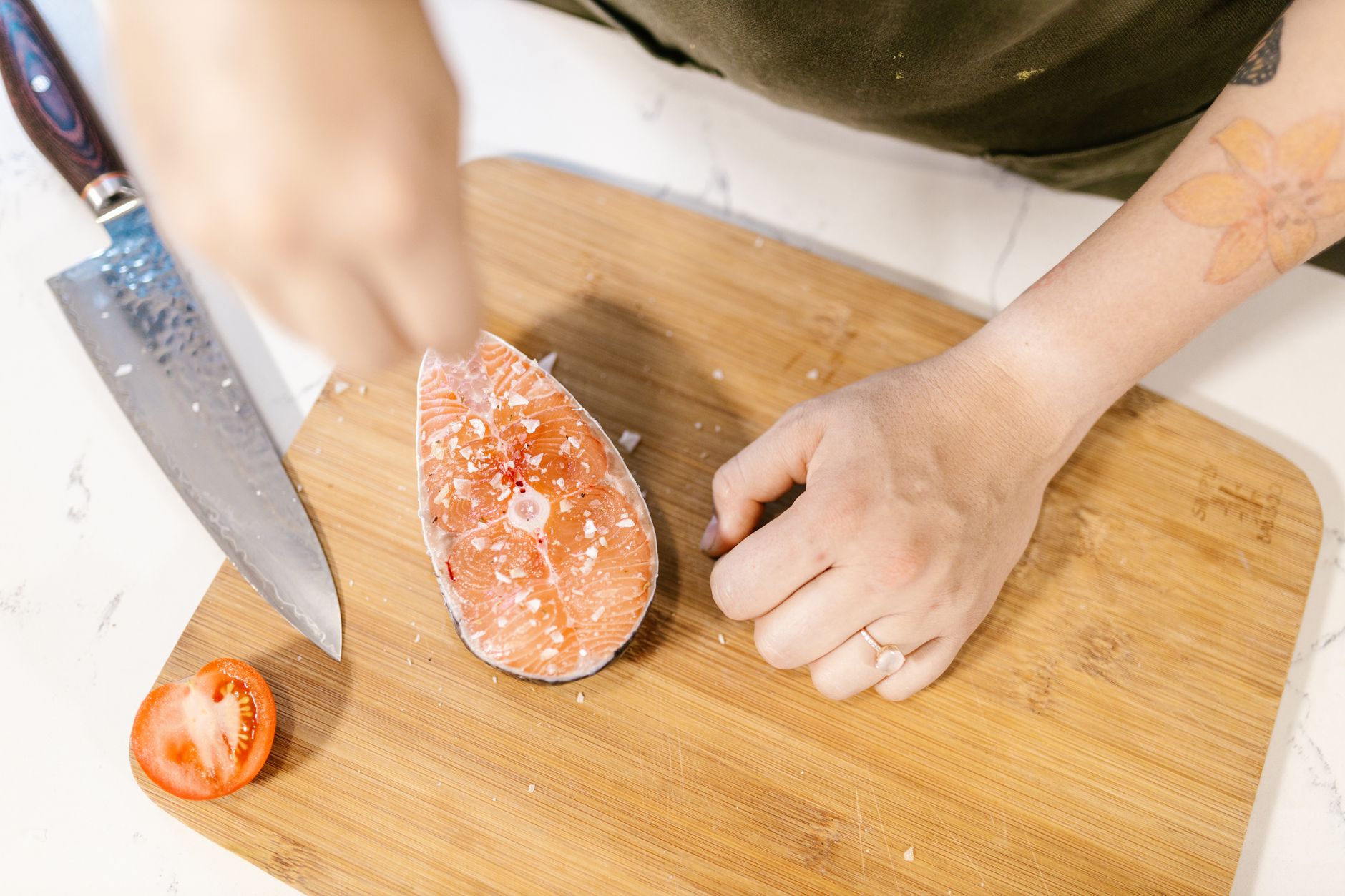
Pregnancy brings many dietary considerations, and one question that often arises is whether it is safe to eat raw salmon. This flaky, rich fish is enjoyed by many in sushi and sashimi forms, but expecting mothers need to be cautious. In this article, we will explore the risks associated with consuming raw salmon while pregnant, guidelines for food safety, and alternative options.
Understanding the safety concerns surrounding raw seafood can help pregnant individuals make informed choices about their diet. This guide will clarify when and how you can safely incorporate salmon into your meals during pregnancy—allowing for both nutrition and safety.
Can I Eat Raw Salmon While Pregnant?
It is generally advised that pregnant individuals avoid eating raw salmon. The primary concerns include exposure to harmful bacteria, parasites, and viruses that can affect you and your baby. However, properly sourced and prepared salmon, when cooked adequately, can provide essential nutrients for both mother and child.
What Are the Risks of Eating Raw Salmon During Pregnancy?
Eating raw salmon poses several risks, mainly associated with foodborne illnesses and parasites. Below are the primary concerns you should be aware of:
Bacterial Infections
Raw salmon can harbor bacteria such as Salmonella and Listeria, which can lead to food poisoning. These infections can result in fever, abdominal pain, diarrhea, and other serious complications, especially for pregnant women whose immune systems are more susceptible.
Parasites
Salmon can also carry parasites such as Anisakis, which can result in gastrointestinal issues like nausea, vomiting, and abdominal pain. While infections from such parasites are rare, they can still pose significant risks during pregnancy.
Mercury Levels
While fresh salmon generally has lower mercury levels compared to other fish, pregnant women are encouraged to monitor their overall fish consumption. High mercury levels can harm fetal development and potentially lead to cognitive impairments.
Guidelines for Safe Salmon Consumption During Pregnancy
If you have a craving for salmon while pregnant, here are some guidelines to ensure safe consumption:
Choose Cooked Salmon
Opt for fully cooked salmon to significantly reduce the risk of foodborne illnesses. Cooking salmon to an internal temperature of 145°F (63°C) ensures that harmful bacteria and parasites are eradicated. Grilling, baking, broiling, and poaching are all excellent cooking methods to achieve this temperature.
Source Your Salmon Wisely
When choosing salmon, buy from reputable suppliers. Wild-caught salmon is often considered the best choice as it generally contains fewer contaminants compared to farmed salmon. Look for salmon that is labeled as “sushi-grade” if you are planning to eat it raw at other times—not during pregnancy.
Limit Fish Consumption
Follow recommendations on how much fish you can safely consume during pregnancy, which is typically about 8 to 12 ounces of low-mercury seafood per week. While salmon is an excellent source of omega-3 fatty acids, moderation is key.
Ask Your Healthcare Provider
If you’re planning to consume fish or have specific dietary concerns during pregnancy, it’s always best to consult your healthcare provider. They can offer tailored advice based on your individual health history.
What Are Safe Salmon Preparations During Pregnancy?
When looking for ways to enjoy salmon, here are some tasty and safe cooking methods:
Grilled Salmon
Grilled salmon is a flavorful option that can easily be seasoned. A typical method involves seasoning with olive oil, lemon, salt, and pepper, followed by grilling on medium heat for about 6 to 8 minutes per side until cooked through.
Baked Salmon
Baking salmon is another simple way to prepare it. Preheat your oven to 375°F (190°C). Place the salmon fillet on a baking sheet, season, and bake for 15 to 20 minutes until the fish flakes easily with a fork.
Salmon Salad
Combining cooked salmon with greens, avocado, or whole grains can create a nutritious meal. Cook the salmon as outlined above, then cool it and mix it with your choice of salad ingredients.
What Are the Nutritional Benefits of Salmon?
Salmon is an excellent source of high-quality protein, omega-3 fatty acids, and other essential nutrients, all of which can be beneficial during pregnancy. Here are some rich benefits of consuming cooked salmon:
- Omega-3 Fatty Acids: These are crucial for brain development in the fetus.
- Vitamin D: Salmon is a great source, supporting bone health for both mother and baby.
- Selenium: This antioxidant helps protect cells from damage and supports immune function.
- B Vitamins: B12 and other B vitamins contribute to energy production and overall health.
Alternatives to Raw Salmon
If you are looking for alternatives that mimic the taste or texture of raw salmon, consider the following options:
Cooked Sushi
Some sushi restaurants offer cooked sushi rolls made with fully cooked salmon or other seafood alternatives. Look for rolls like California rolls made with imitation crab or avocado rolls to enjoy sushi without health concerns.
Smoked Salmon
While many varieties of smoked salmon are cooked via the smoking process, not all smoked salmon is safe during pregnancy. Make sure to select products that are labeled as fully cooked and check for pasteurization to minimize risks.
Vegetarian Alternatives
For those avoiding fish altogether, consider using plant-based alternatives like marinated tofu or avocado stuffed in sushi rolls. These options provide a similar texture and can be a delicious alternative.
Conclusion
While raw salmon may be a delicate dish renowned for its various culinary delights, it is best avoided during pregnancy. By cooking salmon thoroughly, sourcing it from reputable suppliers, and adhering to dietary guidelines, you can safely enjoy this nutritious fish throughout your pregnancy. Always consult with a healthcare provider for personalized nutritional advice.
Looking to expand your culinary skills further? Explore how to tell if salmon is bad or find out if smoked salmon is raw. These resources will help you navigate your seafood options safely.