
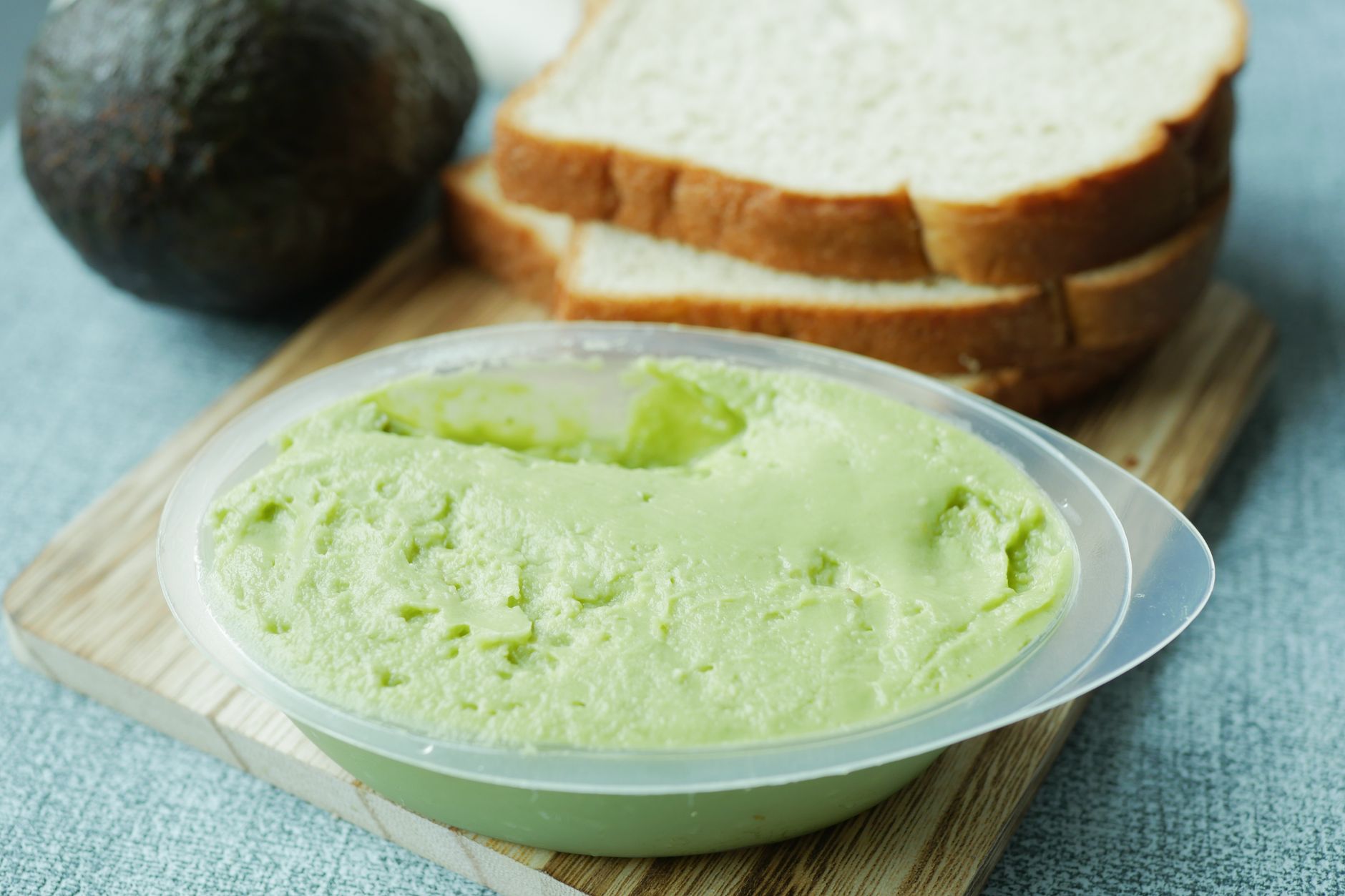
Sandwich spreads are versatile condiments that can elevate your lunch game with their unique flavors and textures. They provide an easy way to enhance sandwiches, wraps, or even use as dips for snacks. Understanding the various types of sandwich spreads, how to use them, and how to make your own can greatly impact your meal preparation.
From classic mayonnaise-based spreads to zesty dips and creamy combinations, each type serves a distinct purpose. In this article, we will explore the myriad of sandwich spreads available, their tastes and textures, practical uses in the kitchen, and even some homemade recipes to try.
What Is Sandwich Spread?
Sandwich spreads are flavorful mixtures that are typically smeared or spread on bread, wraps, or crackers to enhance the overall taste of a sandwich. They can be made from various ingredients such as mayonnaise, mustard, hummus, cheese, or various herbs and spices. The right sandwich spread can add moisture, flavor, and texture, transforming an ordinary meal into something extraordinary.
The Varieties of Sandwich Spreads
There is a wide range of sandwich spreads to choose from, each offering different flavors and textures. Here are some popular categories and examples:
1. Mayonnaise-Based Spreads
Mayonnaise is a key ingredient in many sandwich spreads, providing creaminess and a mild flavor.
- Classic Mayonnaise: A staple that can be used as a base for many other spreads.
- Garlic Aioli: A flavored mayonnaise with garlic that can add depth and richness.
- Chipotle Mayo: A spicy variant that incorporates chipotle peppers for a smoky kick.
2. Mustard-Based Spreads
Mustard is a zesty option that can pair well with meats and cheeses.
- Dijon Mustard: A smooth mustard with a sharp flavor, perfect for adding a bit of zest.
- Honey Mustard: A sweet and tangy combination that suits ham and turkey sandwiches.
- Spicy Brown Mustard: A robust mustard that adds depth to richer meats.
3. Cheese Spreads
Cheese spreads provide a creamy texture and rich flavor, great for pairing with various toppings.
- Cream Cheese Spread: Soft and smooth, often flavored with herbs.
- Pimento Cheese: A Southern favorite made with cheese, pimentos, and spices.
- Goat Cheese Spread: Tangy and creamy, excellent with roasted vegetables.
4. Vegetable and Legume Spreads
These spreads are perfect for those looking for healthier options.
- Hummus: A chickpea spread that is versatile and can be flavored with garlic, roasted red pepper, or herbs.
- Baba Ganoush: A smoky eggplant dip that is great for Mediterranean-inspired sandwiches.
- Olive Tapenade: A mix of olives, capers, and herbs, great for bold flavors.
5. Nut and Seed Spreads
Nut-based spreads are increasingly popular, offering both flavor and protein.
- Peanut Butter: A classic spread that pairs well with sweet and savory elements.
- Almond Butter: A milder nut spread that works well in both sweet and savory sandwiches.
- Sunflower Seed Butter: A nut-free alternative that is creamy and nutritious.
6. Fruit-Based Spreads
Fruit spreads add sweetness and tang, making them ideal for breakfast sandwiches.
- Jam and Jelly: A sweet spread that pairs beautifully with cream cheese or nut butter.
- Apple Butter: A spiced fruit spread that works well on toast or pancakes.
- Fruit Chutney: A savory sweet condiment that complements meats and cheeses excellently.
How to Choose the Right Sandwich Spread
Selecting the right sandwich spread depends on your flavor preferences and the ingredients you plan to use. Consider the following:
- Balance of Flavors: Choose a spread that complements the filling instead of overpowering it.
- Texture: A spread can add creaminess or crunch, so think about the overall texture of your sandwich.
- Dietary Preferences: Consider vegan or gluten-free spreads to cater to dietary restrictions.
Homemade Sandwich Spreads
Making your own sandwich spread allows you to customize flavors and avoid preservatives. Here are three easy recipes:
1. Garlic Aioli
This creamy spread is perfect for enhancing sandwiches with a robust flavor.
Yield: About 1 cup
Preparation Time: 10 minutes
Cooking Time: 0 minutes
Total Time: 10 minutes
Ingredients:
- 1 cup mayonnaise
- 2 cloves garlic, minced
- 1 tablespoon lemon juice
- Salt and pepper to taste
Method:
- In a small bowl, combine mayonnaise, minced garlic, and lemon juice.
- Season with salt and pepper to taste.
- Mix thoroughly until combined, and refrigerate for at least 30 minutes before serving to enhance flavors.
2. Spicy Sriracha Mayo
Add a kick to your sandwiches with this zesty condiment.
Yield: About 1 cup
Preparation Time: 5 minutes
Cooking Time: 0 minutes
Total Time: 5 minutes
Ingredients:
- 1 cup mayonnaise
- 2 tablespoons Sriracha sauce
- 1 teaspoon lime juice
Method:
- In a medium bowl, combine mayonnaise, Sriracha, and lime juice.
- Mix well until all ingredients are combined. Adjust Sriracha to taste for spice preference.
- Chill in the refrigerator before using for the best flavor.
3. Classic Hummus
This versatile spread is healthy and delicious.
Yield: About 1.5 cups
Preparation Time: 10 minutes
Cooking Time: 0 minutes
Total Time: 10 minutes
Ingredients:
- 1 can (15 ounces) chickpeas, drained and rinsed
- 1/4 cup tahini
- 2 tablespoons lemon juice
- 2 cloves garlic
- Salt to taste
- Water to thin, if desired
Method:
- In a food processor, combine chickpeas, tahini, lemon juice, garlic, and salt.
- Pulse until smooth, adding water gradually if necessary to achieve desired consistency.
- Taste and adjust seasoning as needed. Serve with pita, crackers, or as a sandwich spread.
Practical Uses for Sandwich Spreads
Sandwich spreads are not limited to sandwiches alone; their versatility makes them suitable for various culinary applications:
- Wraps: Spread on tortillas for added flavor and moisture.
- Vegetable Dips: Use as a dip for fresh vegetables or parties.
- Served with Proteins: Pair with grilled chicken or fish for a flavor boost.
- Salad Dressings: Blend with vinegar or yogurt for unique salad dressings.
- Snack Time: Spread on crackers or bread for easy snacks.
Storage and Shelf Life of Sandwich Spreads
Proper storage is crucial to keeping your sandwich spreads fresh and safe to eat:
- Commercial Spreads: Should be stored in the refrigerator after opening and typically last 2-3 months.
- Homemade Spreads: Keep in a sealed jar in the refrigerator. Most homemade spreads will last about one week.
- Freezing: Some spreads, like hummus, can be frozen for longer shelf life but may change texture upon thawing.
Common Mistakes When Using Sandwich Spreads
Avoid these common pitfalls when using sandwich spreads:
- Overloading: Too much spread can make a sandwich soggy.
- Not Refrigerating: Leaving spreads out at room temperature can cause spoilage.
- Ignoring Taste Testing: Always taste-test spreads first before applying them to ensure they suit your palate.
Experimenting with Flavors and Textures
Feel free to experiment with flavors by combining different spreads. Here are a few ideas:
- Mixing Spreads: Combine hummus with a spicy mayo for a unique flavor.
- Adding Herbs: Fresh herbs can elevate any spread; add dill to yogurt or cream cheese for a fresh taste.
- Healthy Twists: Use Greek yogurt as a base for lighter versions of creamy spreads.
Conclusion
Understanding what sandwich spreads are and how to use them can dramatically improve your meals. Whether you choose a store-bought option or decide to make your own, the right spread can enhance both flavor and texture. Take the time to explore various combinations, and don’t hesitate to get creative in the kitchen.
For some delicious recipe ideas, check out our Ham Salad Sandwich Recipe and the flavorful Chopped Sandwich Recipe for more inspiration to pair with your favorite spreads.