
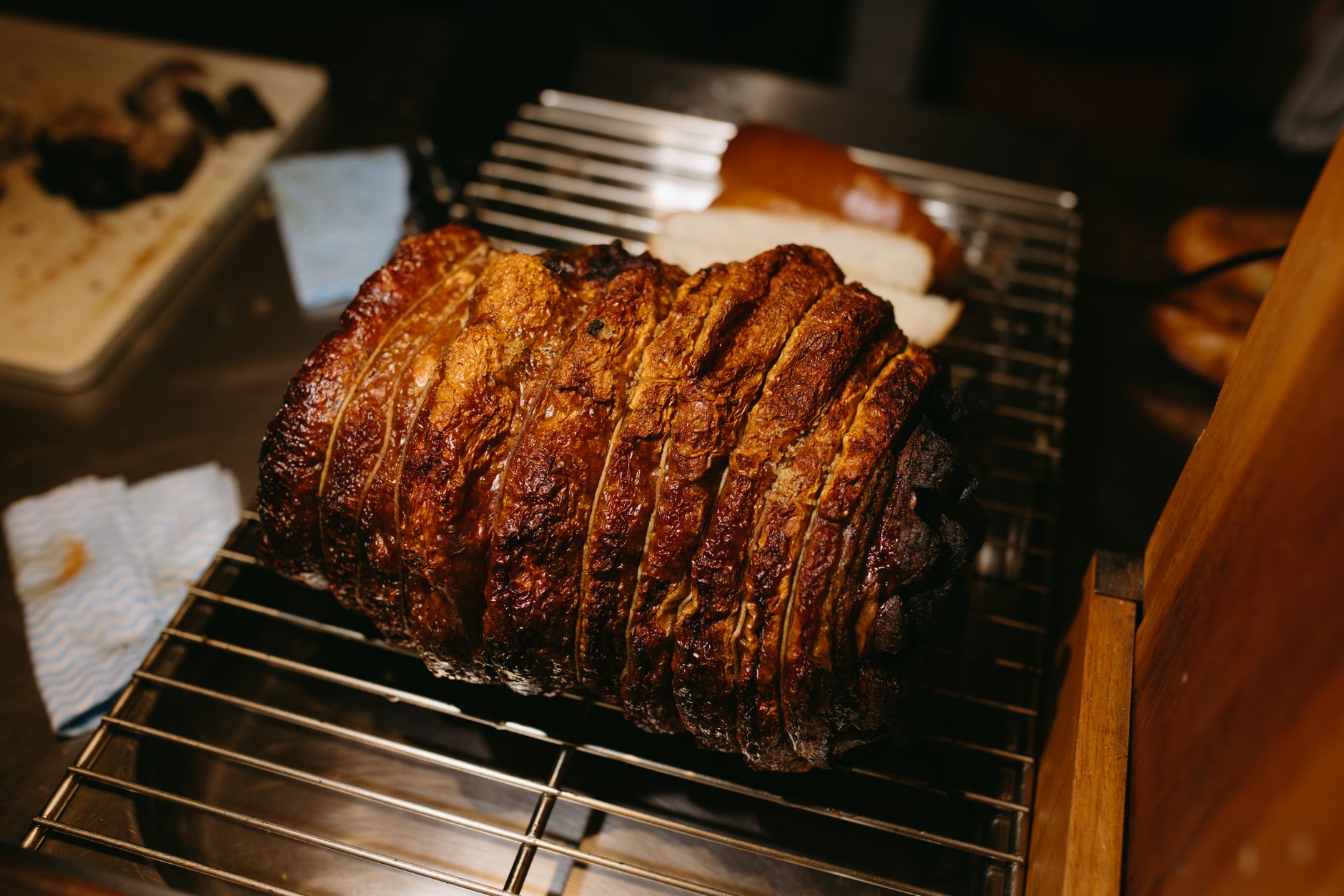
Cooking a roast in the oven is a classic method that yields tender, juicy results with rich flavors. Understanding how long to cook a roast is crucial for achieving the perfect doneness while ensuring food safety. This guide will help you determine the ideal cooking times, temperatures, and techniques for various types of roasts, allowing you to serve a delicious meal.
Whether you’re preparing a succulent beef roast, a flavorful pork loin, or a savory lamb leg, knowing the right cooking times can make all the difference. Let’s explore the factors influencing cooking times and how to ensure your roast turns out just right.
How Long To Cook Roast In Oven?
The cooking time for a roast in the oven depends on several factors, including the type of meat, the weight of the roast, and the desired level of doneness. As a general rule, you should cook a roast for about 20 to 25 minutes per pound at an oven temperature of 325°F (163°C) for medium-rare results. Always use a meat thermometer to check for doneness to ensure the roast is safe to eat.
Factors Influencing Cooking Time
Cooking times for roasts can vary based on several factors:
- Type of Meat: Different meats have varying densities and moisture contents, which can affect cooking time. For example, beef may take longer than pork.
- Weight of the Roast: Larger roasts will require longer cooking times. Precision is key; weigh your roast for accurate timing.
- Desired Doneness: If you prefer your roast medium or well done, you will need to adjust the cooking time accordingly.
- Oven Temperature: Cooking at higher temperatures will reduce cooking time but may affect the roast’s juiciness and tenderness.
- Resting Time: After cooking, allowing the roast to rest will affect the final temperature and juiciness, so factor this into your planning.
Understanding Doneness Levels
Meat doneness is a crucial aspect of cooking a roast. The following internal temperatures are recommended for various levels of doneness:
- Rare: 125°F (52°C)
- Medium-Rare: 130°F to 135°F (54°C to 57°C)
- Medium: 140°F to 145°F (60°C to 63°C)
- Medium-Well: 150°F to 155°F (65°C to 68°C)
- Well Done: 160°F (71°C) and above
Use an instant-read thermometer to accurately gauge the internal temperature as you cook.
Types of Roasts and Their Cooking Times
Here are common roasts and their estimated cooking times based on a cooking temperature of 325°F (163°C):
Beef Roasts
- Chuck Roast: Cook for 1.5 to 2 hours per 3 pounds for medium doneness.
- Rump Roast: Cook for 20 to 25 minutes per pound.
- Sirloin Roast: Aim for 25 to 30 minutes per pound.
- Tenderloin Roast: Cook for 25 to 30 minutes for medium-rare, depending on weight.
- Prime Rib: Allow approximately 15 to 20 minutes per pound for medium-rare.
Pork Roasts
- Pork Loin Roast: Cook for 20 to 25 minutes per pound.
- Pork Shoulder: Expect 30 to 35 minutes per pound for well-done.
- Pork Tenderloin: Cook for about 25 minutes at 375°F (190°C) or less time at 325°F.
Lamb Roasts
- Leg of Lamb: Roast for about 20 minutes per pound.
- Lamb Shoulder: Plan for 30 to 35 minutes per pound for tenderness.
Cooking Method for a Roast
Cooking a roast in an oven follows a straightforward method. Here’s how to get it right:
Essential Equipment
- Roasting pan
- Meat thermometer
- Aluminum foil
- Knife for carving
- Cutting board
Step-by-Step Cooking Method
- Preparation: Take the roast out of the refrigerator and allow it to come to room temperature for about 30 minutes. This helps in even cooking.
- Seasoning: Season the roast generously with salt, pepper, and your choice of herbs and spices.
- Preheat the Oven: Preheat your oven to 325°F (163°C).
- Roasting: Place the seasoned roast in a roasting pan, bone side down if applicable. Insert a meat thermometer into the thickest part of the roast without touching bone.
- Calculate Cooking Time: Use the guidelines provided above to estimate cooking time based on the weight and desired doneness.
- Basting: Optionally, baste the roast every 30 minutes to enhance flavor and moisture.
- Check Doneness: Start checking the internal temperature about 20 minutes before the estimated cooking time is complete.
- Resting: Once the roast reaches the desired temperature, remove it from the oven. Tent loosely with aluminum foil and let it rest for 15 to 30 minutes before carving.
- Carving: Carve the roast against the grain for tenderness and serve with your favorite sides.
Common Mistakes to Avoid
While cooking a roast may seem straightforward, there are common pitfalls to watch out for:
- Skipping the Thermometer: Relying on time alone can result in an overcooked or undercooked roast. Always use a meat thermometer.
- Not Resting: Cutting into the roast immediately can cause juices to run out, resulting in drier meat. Always allow it to rest.
- Overcrowding the Oven: Ensure there’s enough space for heat circulation. Do not overcrowd with other dishes unless necessary.
- Not Seasoning Properly: A well-seasoned roast enhances flavor. Don’t skimp on salt, herbs, and spices.
Substitutions and Variations
While following a set recipe can yield great results, you can also make substitutions or modifications based on your preference:
- Herbs: Mix up the herbs and spices. Rosemary, thyme, or even a spice rub can elevate the flavor.
- Cooking Liquid: Consider adding broth or wine to the roasting pan to make a flavorful gravy.
- Cooking Temperature: If in a hurry, roasting at higher temperatures (up to 375°F) will speed up cooking, but ensure not to dry out the meat.
Storage and Reheating
Proper storage of leftover roast is essential to maintain flavor and safety:
- Storage: After the roast has cooled, store leftovers in an airtight container in the refrigerator. It can last up to 3-4 days.
- Freezing: Roasted meat can also be frozen. Wrap tightly in plastic wrap and aluminum foil to prevent freezer burn. It can last up to 3 months.
- Reheating: When reheating, do so gently in the oven at 325°F (163°C) until warmed through. If needed, add a bit of broth or water to keep it moist.
Cooking a roast can be a rewarding experience, showcasing your culinary skills while providing a hearty meal. With the correct cooking times, temperatures, and techniques, you can create a centerpiece dish that delights family and friends.
Now that you’ve learned how to perfectly roast meat in the oven, why not explore more delicious recipes? Check out our Dutch Oven Pot Roast Recipe for a cozy family meal or our Top Round Roast Recipe to add variety to your dinner table. Happy cooking!