
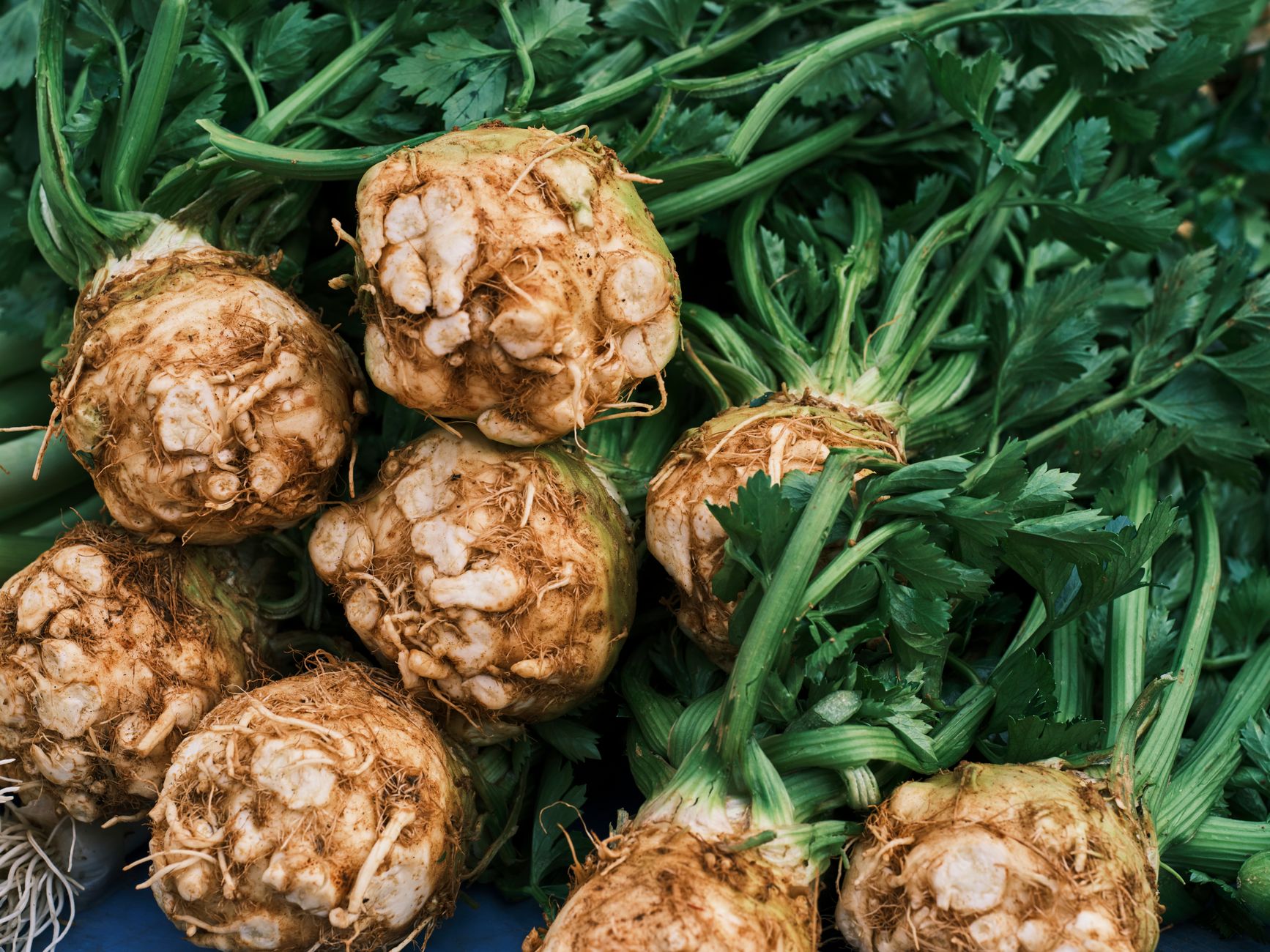
Celery salt is a versatile seasoning that combines ground celery seeds with salt. It offers a unique flavor profile that is both earthy and slightly bitter, reminiscent of fresh celery. Often used to enhance a variety of dishes, celery salt has become a staple in many kitchens, particularly in the Midwest and Southern United States.
This ingredient not only adds depth to recipes but can also serve as a substitute for fresh celery in some instances. Understanding how to effectively use celery salt can elevate your cooking and add a new dimension to flavors in your dishes.
What Is Celery Salt?
Celery salt is primarily made from celery seeds (Apium graveolens), which are dried and crushed, mixed with salt. The resulting blend is a seasoning that exudes a savory, umami flavor with slight herbal notes. Celery salt is commonly found in seasoning blends, but it can also be used on its own to season meats, vegetables, soups, and salads.
Flavor Profile of Celery Salt
The flavor of celery salt is distinct and complex. It provides an earthy taste typical of celery, combined with the necessary salinity from the salt. This balance makes it an excellent seasoning for enhancing other flavors in dishes without being overpowering.
Culinary Uses of Celery Salt
Celery salt is incredibly versatile and can be utilized in numerous ways:
- Seasoning Vegetables: Sprinkle on roasted, steamed, or sautéed vegetables for an added depth.
- In Soups and Stews: Use it to season broths, enhancing the overall flavor profile.
- In Salad Dressings: Incorporate it into vinaigrettes or creamy dressings for extra flavor.
- For Meat Rubs: Combine with other spices for seasoning meats before grilling or roasting.
- As a Flavoring for Drinks: Notably used in cocktails such as the classic Bloody Mary.
How to Use Celery Salt
When using celery salt, it’s important to consider that it is already salted. This implies that when cooking with celery salt, you should reduce the amount of additional salt in your recipe accordingly. Additionally, celery salt works well in both cold and hot dishes.
Using Celery Salt in Cooking
- Start Small: Begin with a small pinch when seasoning dishes to avoid overpowering flavors.
- Taste as You Go: Continuously taste your dish as you add celery salt to perfectly adjust seasoning levels.
- Complement Other Flavors: Pair with herbs, spices, and ingredients that complement the natural flavor of celery.
Substituting Celery Salt
If you’re in a pinch and don’t have celery salt on hand, there are various substitutes you can consider, although they may not provide the exact flavor. Here are some alternatives:
- Homemade Celery Salt: For every tablespoon of celery salt, mix one tablespoon of ground celery seeds with one tablespoon of salt.
- Celery Seeds: Use ground celery seeds in a 1:1 ratio to replace celery salt, but add additional salt to match the seasoning level.
- Parsley and Salt Mix: For a fresh flavor, blend dried parsley with salt as a mild substitute, though the taste will differ.
Common Mistakes When Using Celery Salt
Using celery salt effectively requires some tips to avoid common mistakes:
- Over-seasoning: Be careful not to use too much, as it can easily overpower the dish.
- Ignoring Salinity: Remember that it contains salt; adjust your overall salt intake in your recipe to prevent over-salting.
Storage Tips for Celery Salt
Proper storage of celery salt is essential to maintain its flavor and longevity:
- Keep It in an Airtight Container: Store in a cool, dark place away from moisture and heat, such as a pantry.
- Use Within a Year: For optimal flavor, use celery salt within 1-2 years of purchasing, as the flavor may diminish over time.
Regional Popularity of Celery Salt
In the United States, celery salt is particularly popular in Chicago, especially known as an essential ingredient in the city’s renowned hot dogs and the iconic Chicago-style deep-dish pizza. It’s also widely used in the Midwest and Southern cooking, frequently appearing in recipes for dishes like coleslaw and potato salad.
Culinary Pairings with Celery Salt
To maximize the flavor of celery salt, consider these culinary pairings:
- Herbs: Oregano, thyme, and dill.
- Spices: Black pepper, paprika, and garlic powder.
- Vegetables: Carrots, cucumbers, and potatoes.
- Proteins: Chicken, pork, and seafood.
Recipes Featuring Celery Salt
Here are a few recipes where celery salt shines:
Classic Bloody Mary
The Bloody Mary is a cocktail that highlights celery salt as a key ingredient. Here’s a simple way to prepare this classic drink.
- Ingredients:
- 2 oz vodka
- 4 oz tomato juice
- ½ oz lemon juice
- 2 dashes Worcestershire sauce
- 2 dashes hot sauce
- 1 tsp celery salt
- Ice cubes
- Celery stalk for garnish
- Instructions:
- Fill a shaker with ice cubes.
- Add vodka, tomato juice, lemon juice, Worcestershire sauce, hot sauce, and celery salt.
- Shake gently to combine.
- Strain the mixture into a glass filled with ice.
- Garnish with a celery stalk and enjoy.
Celery Salt Potato Salad
This potato salad recipe features celery salt as a key seasoning for added depth of flavor.
- Ingredients:
- 2 lbs potatoes, diced
- ½ cup mayonnaise
- 2 tsp celery salt
- ¼ cup chopped green onions
- ¼ cup chopped dill pickles
- Salt and pepper to taste
- Instructions:
- Boil potatoes until tender, about 15-20 minutes. Drain and let cool.
- In a large bowl, mix mayonnaise, celery salt, green onions, and dill pickles.
- Add cooled potatoes and gently mix to combine.
- Season with additional salt and pepper as needed.
- Chill in the refrigerator for at least one hour before serving.
Final Thoughts on Celery Salt
Celery salt is more than just a seasoning; it’s a flavorful addition that can enhance a multitude of dishes across various cuisines. By incorporating it into your cooking, you can explore new flavors and elevate the quality of your meals. Always remember its salinity and start with small amounts as you experiment.
If you’re looking to branch out in your cooking, consider exploring related ingredients or recipes. For instance, learn more about what a good substitute for rosemary might be, or discover what molasses is made from to diversify your pantry. Embrace the culinary adventure that awaits!