
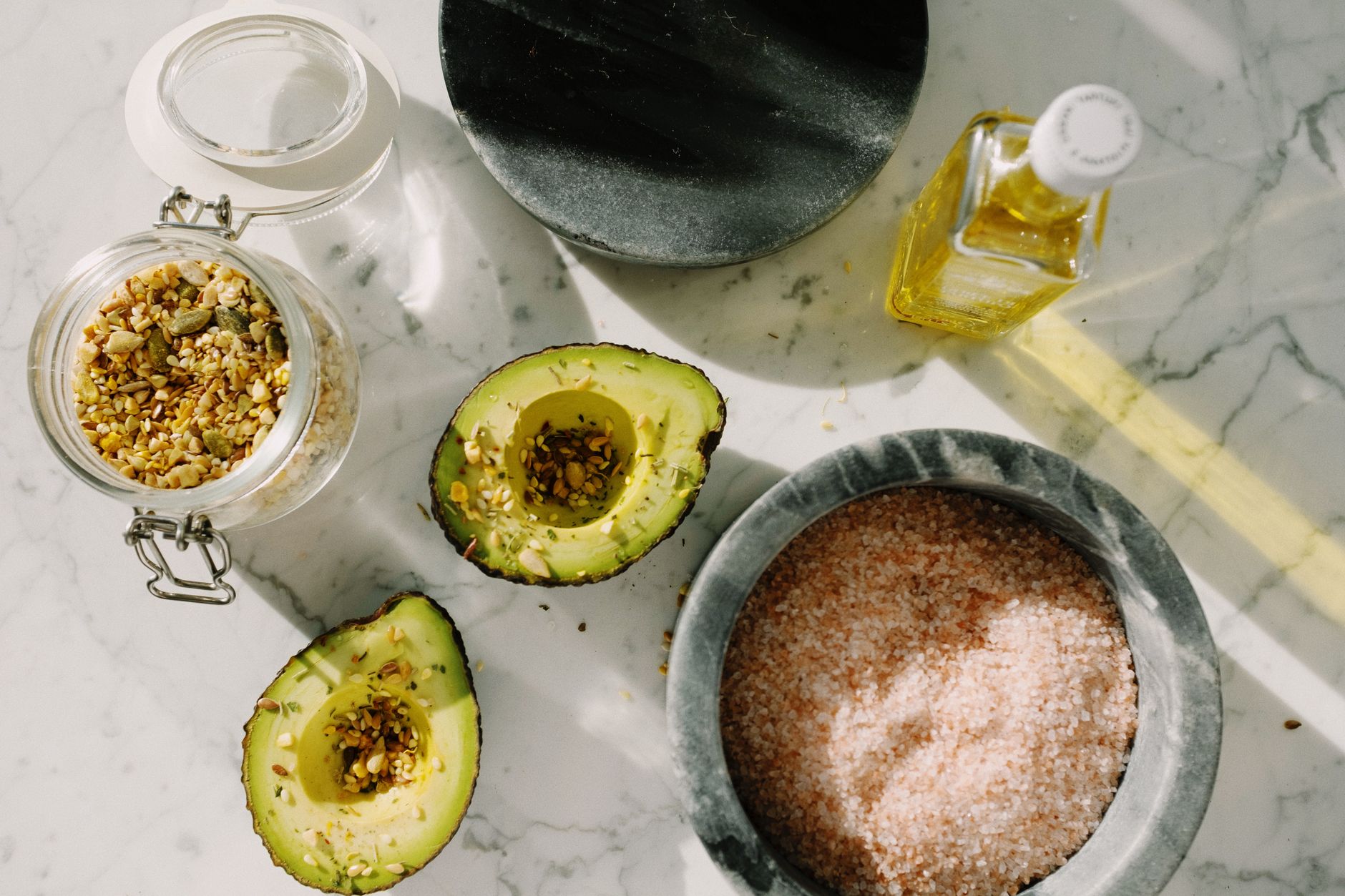
Avocado oil has gained popularity in recent years, not only for its rich flavor but also for its health benefits. Derived from the nutrient-dense avocado fruit, this oil is a staple in many kitchens and has a wide range of culinary uses—from dressing salads to frying. Understanding how avocado oil is made can deepen your appreciation for this versatile ingredient.
This article will explore the process of avocado oil production, from the sourcing of ripe avocados to the extraction methods that result in high-quality oil. You will also learn about its flavor profiles, culinary applications, and storage tips.
How Is Avocado Oil Made?
Avocado oil is made through a process that involves selecting ripe avocados, extracting the oil, and refining it if necessary. The quality of the oil can differ based on the extraction method used, whether it’s cold-pressed or refined. Let’s break down the steps involved in making avocado oil.
1. Sourcing and Selecting Avocados
The first step in making avocado oil is sourcing high-quality avocados. The ideal avocados should be ripe but not overripe, as overly ripe fruits can produce off-flavors in the oil.
- Ripeness: Look for avocados that yield slightly to pressure when squeezed gently.
- Variety: The most commonly used variety for oil production is the Hass avocado, known for its rich flavor and high oil content.
- Harvesting: Avocados are typically harvested by hand to avoid damaging the fruit.
2. Preparing the Avocados
After harvesting, the avocados are prepared for oil extraction. This involves several steps to ensure that the extracted oil retains its quality.
- Washing: Ripe avocados are thoroughly washed to remove any dirt or pesticide residue.
- Cutting: The avocados are then cut in half to remove the seed, and the flesh is scooped out.
- Mashing: The flesh is mashed to create a pulp, which helps release the oils during extraction.
3. Extraction Methods
Once the avocados have been prepared, the next step is to extract the oil. There are two primary methods used: cold pressing and hot extraction.
Cold Pressing
Cold pressing is a widely used method that preserves the flavor and nutritional properties of the avocados. This process involves:
- Using a hydraulic press to extract the oil from the avocado pulp.
- Keeping the temperature below 122°F (50°C) to avoid damaging the delicate compounds in the oil.
- Filtering the oil to remove any solids or impurities.
The result is a high-quality, green-hued oil with a buttery flavor and a high smoke point, making it suitable for various cooking methods.
Hot Extraction
Hot extraction involves heating the pulp before pressing to increase oil yield. This method yields oil more rapidly but can compromise flavor and nutritional content. Steps include:
- Heating the mashed avocado pulp to around 180°F (82°C).
- Using a mechanical press or centrifuge to separate the oil from the solids.
- Filtering the oil to remove any remaining pulp or particles.
While hot-extracted avocado oil can be more affordable, it may lack the flavor and nutrients found in cold-pressed oils.
4. Refining the Oil
Refined avocado oil undergoes additional processing to ensure it is suitable for cooking and has a longer shelf life. Refining generally involves:
- Degumming: Removing any free fatty acids and phospholipids.
- Neutralizing: Treating the oil with an alkali solution to neutralize the acidity.
- Bleaching: Removing pigments and unwanted flavors using absorbent materials.
- Deodorizing: Heating the oil under vacuum conditions to eliminate any strong odors.
Refined avocado oil has a lighter color, a milder flavor, and a higher smoke point—ideal for high-heat cooking.
5. Flavor Profiles and Culinary Uses
Avocado oil is known for its unique flavor that can enhance a variety of dishes. Understanding its flavor profile and suitable culinary applications can help you use it effectively in your cooking.
- Flavor: Cold-pressed avocado oil offers a rich, buttery flavor with subtle nutty undertones. Refined oil, on the other hand, is more neutral in taste.
- Culinary Uses: Avocado oil is incredibly versatile. It can be used in:
- Salad dressings: Adds richness and flavor to vinaigrettes.
- Sautéing: Ideal for cooking vegetables or proteins over medium heat.
- Baking: An excellent substitute for butter or vegetable oil in recipes.
- Grilling and roasting: High smoke point makes it suitable for high-heat cooking.
- Finishing oil: Drizzle over finished dishes for added flavor.
6. Storage and Shelf Life
Proper storage of avocado oil is essential to maintaining its quality and extending its shelf life. Follow these tips:
- Keep it cool: Store avocado oil in a cool, dark place away from heat and direct sunlight.
- Use dark glass bottles: If possible, purchase oil in dark bottles to minimize light exposure.
- Check for rancidity: Avocado oil should not have a strong odor; if it smells off, it’s best to discard it.
- Use within six months: Opened oil should be used within six months for optimal freshness, while unopened oil can last about a year.
7. Common Mistakes and Troubleshooting
Using avocado oil should be straightforward, but there are common pitfalls to avoid:
- Cooking at too high temperatures: While avocado oil has a high smoke point, oils can still burn. Aim for the appropriate temperature for the intended cooking method.
- Buying low-quality oil: Look for reputable brands and check for certifications indicating cold-pressed or refined processes.
- Not using enough: Unlike olive oil, which has a more pronounced flavor, avocado oil can be subtle. Adjust the quantity based on taste preferences.
8. Health Benefits of Avocado Oil
Avocado oil is not just loved for its flavor; it also boasts several health benefits:
- High in monounsaturated fats: These healthy fats can help improve heart health by lowering bad cholesterol levels.
- Rich in antioxidants: Contains tocopherols and carotenoids, which can protect cells from damage.
- Aids nutrient absorption: Helps the body absorb fat-soluble vitamins (A, D, E, and K) when used in dressings or cooking.
9. Avocado Oil vs. Other Oils
When considering which oil to use, it helps to understand how avocado oil compares to alternatives:
| Oil | Smoke Point | Flavor Profile | Health Benefits |
|---|---|---|---|
| Avocado Oil | 480°F (249°C) | Rich, buttery | High in monounsaturated fats, antioxidants |
| Olive Oil | 375°F (190°C) | Fruity, peppery | High in oleic acid, antioxidants |
| Coconut Oil | 350°F (177°C) | Sweet, tropical | Medium-chain triglycerides (MCTs) |
| Canola Oil | 400°F (204°C) | Neutral | Low in saturated fat |
Conclusion
Avocado oil is a versatile ingredient that can greatly enhance your cooking while also providing health benefits. Knowing the manufacturing process—from sourcing fresh avocados to the extraction methods—enables you to choose quality products and use them effectively in your meals.
For those exploring avocado oil’s versatility, consider experimenting with it in dressings or as a substitute for other oils in baking. A fresh approach can inspire new and delicious dishes, so don’t hesitate to get creative in the kitchen!
Explore more about the versatility of avocado oil by reading about substituting avocado oil for olive oil or try a delightful avocado bread recipe for something truly unique.