
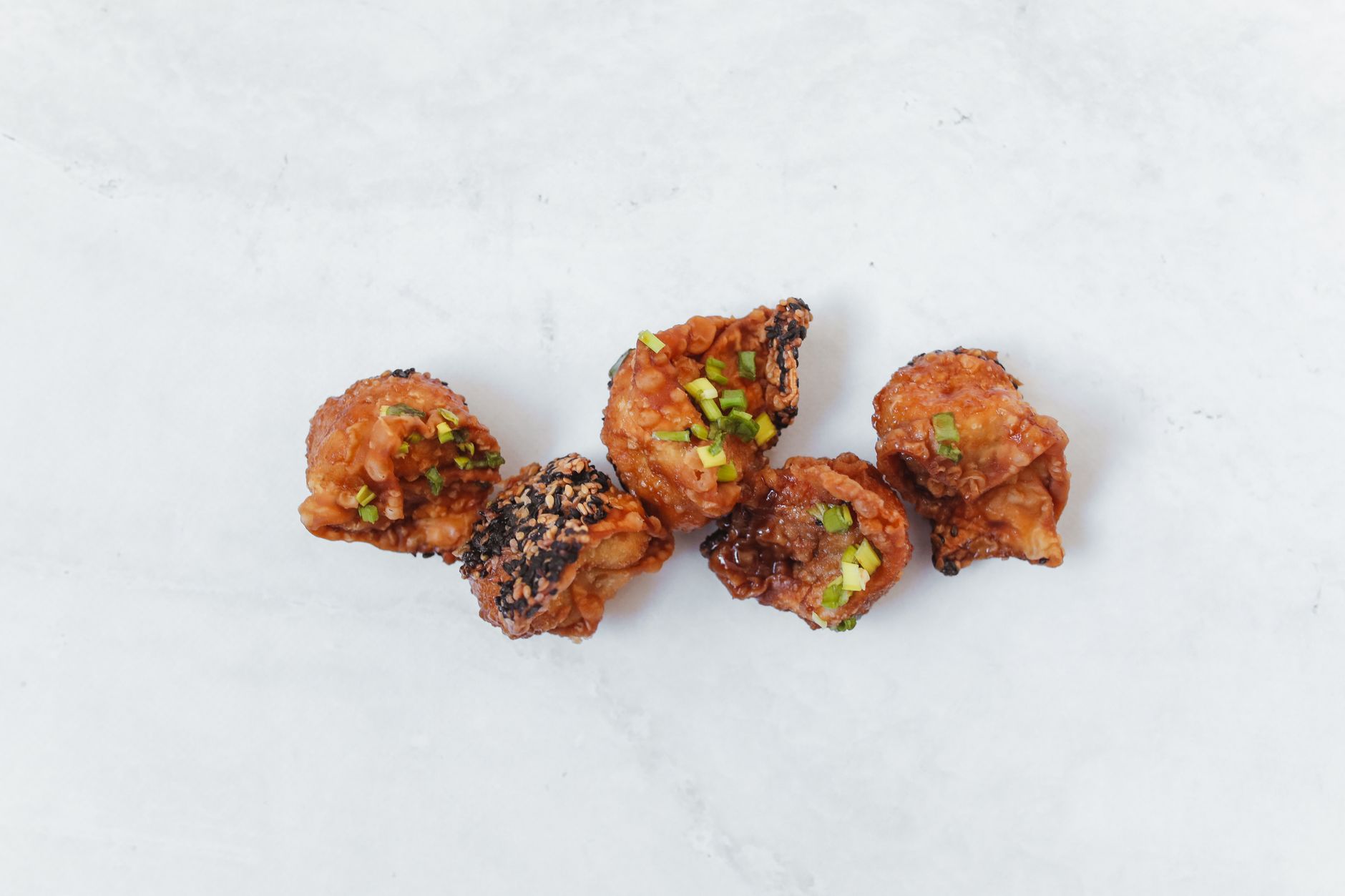
Wontons are a delightful type of dumpling popular in Chinese cuisine, characterized by their thin, delicate wrappers filled with a variety of ingredients. These versatile pockets of flavor can be boiled, steamed, fried, or served in soups, making them a beloved dish across the world.
With rich flavors and diverse fillings, wontons can cater to a range of tastes and dietary preferences. This article explores what a wonton is, its history, various preparation methods, and how to make them at home.
What Is A Wonton?
A wonton is a type of dumpling, traditionally found in Chinese cooking, made by wrapping a filling in a thin sheet of dough. The most common fillings include ground meat, shrimp, and vegetables, but they can also be made with cheese or other creative fillings to suit various tastes. Wontons can be cooked in several ways, including boiling, steaming, or frying.
History of Wontons
Wontons have a long history in Chinese cuisine, dating back to the Han dynasty (206 BC – 220 AD). Originally known as “Huntun,” these dumplings were often enjoyed in soup. Over the centuries, the recipe and method evolved, leading to the wontons we know today, especially in regions like Canton and Sichuan.
The name “wonton” means “swallowing a cloud,” a delightful reference to their airy texture, and in some cultures, they are associated with bringing good fortune. During the Lunar New Year, wontons are often served as a symbol of prosperity.
Different Types of Wontons
Wontons come in various types and styles, each with unique flavors and preparation methods. Here’s a look at some popular ones:
- Chinese Shrimp Wontons: Filled with minced shrimp and seasonings, these are often served in a light broth.
- Pork Wontons: A classic filling made with ground pork, ginger, garlic, and green onions, typically boiled in broth.
- Vegetable Wontons: Made with a mix of seasonal vegetables, these are perfect for vegetarian diets.
- Cheese Wontons: A fusion dish featuring cream cheese or flavored cheeses wrapped in a wonton shell, often served fried.
The Anatomy of a Wonton
Understanding the components of a wonton can help in making them at home. Here’s a breakdown:
Wonton Wrappers
The outer layer of a wonton is typically made from a simple dough consisting of flour, water, and egg. The dough is rolled out extremely thin, creating a delicate wrapper that cooks quickly.
Fillings
Wonton fillings can vary widely. Common ingredients include:
- Ground pork
- Shrimp
- Chopped vegetables (like cabbage, mushrooms, and carrots)
- Herbs and spices (such as ginger, garlic, and scallions)
Cooking Methods
Wontons can be prepared in various ways:
- Boiling: A common method, perfect for soup wontons.
- Steaming: Keeps the dumplings moist and tender.
- Frying: For a crunchy texture; often preferred for appetizers.
How to Make Wontons at Home
Making wontons at home is a rewarding and enjoyable process. Below, we outline a simple recipe that includes instructions for making both the wrappers and the filling.
Ingredients
Here’s what you need to make wontons:
- For the Wonton Wrappers:
- 2 cups all-purpose flour
- 1 large egg
- 1/2 tsp salt
- Water, as needed
- For the Filling:
- 1/2 pound ground pork or shrimp
- 1/4 cup finely chopped green onions
- 1 tsp minced garlic
- 1 tsp minced ginger
- 2 tsp soy sauce
- 1 tsp sesame oil
- Salt and pepper to taste
Essential Equipment
Before you start cooking, ensure you have the following equipment ready:
- Mixing bowls
- Rolling pin
- Sharp knife or pasta cutter
- Cooking pot (for boiling) or steamer (for steaming) or frying pan (for frying)
- Baking sheet (for frying or steaming)
Step-by-Step Method
- Make the Wrappers: In a mixing bowl, combine flour and salt. Add the egg and mix well. Gradually add water until a soft dough forms. Knead on a floured surface for about 10 minutes until smooth. Cover and let it rest for 30 minutes.
- Prepare the Filling: In a bowl, combine ground pork or shrimp, green onions, garlic, ginger, soy sauce, sesame oil, salt, and pepper. Mix until well combined.
- Roll Out the Wrappers: After resting, divide the dough into smaller portions. Roll each portion out as thin as possible on a floured surface, approximately 1-2 mm thick.
- Cut the Wrappers: Use a sharp knife or a pasta cutter to cut out squares, approximately 3×3 inches.
- Fill the Wrappers: Place about 1 tablespoon of filling in the center of each square. Moisten the edges with water, fold over the wrapper, and press gently to seal. Ensure there are no air pockets.
- Cook the Wontons: Choose your cooking method: boil, steam, or fry. For boiling, drop wontons into boiling water for about 4-5 minutes until they float. For frying, heat oil in a pan and fry until golden brown. For steaming, steam for about 6-8 minutes.
- Serve: Present wontons hot, either alone or in a broth, garnished with scallions or cilantro.
Common Mistakes to Avoid
Here are some pitfalls to watch for when making wontons:
- Overfilling: Too much filling can lead to tearing. Stick to 1 tablespoon per wonton.
- Not sealing properly: Ensure edges are pressed firmly to avoid openings during cooking.
- Using too much flour: While rolling out wrappers, excess flour can affect texture. Dust lightly.
Wonton Variations and Substitutions
Wontons can be highly adaptable based on what ingredients you have on hand or dietary restrictions. Here are some suggestions for variations and substitutions:
Fillings
If you want to change the flavor profile or accommodate dietary needs, consider these substitutes:
- Replace pork with ground chicken, turkey, or tofu for a lighter option.
- Switch out vegetables with seasonal produce, such as spinach or mushrooms.
- Add cheese to any filling for a creamier, richer dumpling.
Wrappers
If you don’t have time to make your own wonton wrappers, store-bought wrappers are widely available. Look for them in Asian grocery stores; just ensure they’re labeled for wontons or dumplings. You can also use spring roll wrappers or rice paper as an alternative, though cooking times may vary.
Storage and Reheating
Wontons can be made ahead of time and stored in various ways:
- Refrigerator: Store uncooked wontons in an airtight container with parchment paper between layers for up to 3 days.
- Freezer: Freeze uncooked wontons in a single layer on a baking sheet, then transfer to a freezer-safe bag. They can last up to 3 months.
- Reheating: Cook frozen wontons directly from the freezer using your preferred method. They may require an extra minute or two of cooking time.
Serving Suggestions
Wontons can be served in various styles, making them suitable for any meal. Here are some presentation ideas:
- In Soup: Add boiled wontons to a clear broth with vegetables and herbs for a comforting soup.
- As Appetizers: Serve fried wontons with sweet and sour sauce or soy sauce for dipping.
- Garnished: Top with chopped scallions, sesame seeds, or cilantro for added flavor and presentation.
Cultural Significance of Wontons
Wontons play a significant role in various cultural cuisines and gatherings. In Chinese dining traditions, they often symbolize good fortune and prosperity, especially when served during celebratory occasions. Their adaptability has also led to diverse variations across different regions and cultures, blending them into local culinary traditions.
Conclusion
Wontons offer a delightful combination of taste, texture, and versatility that makes them a favorite in many households. Whether you choose to make them from scratch or utilize store-bought wrappers, they provide an excellent opportunity for culinary creativity and family bonding. Start with a basic wonton recipe, experiment with your own fillings, and enjoy the process of crafting these delightful dumplings!
For more delicious recipes, check out our guides on cream cheese rangoon and cream cheese wonton!