
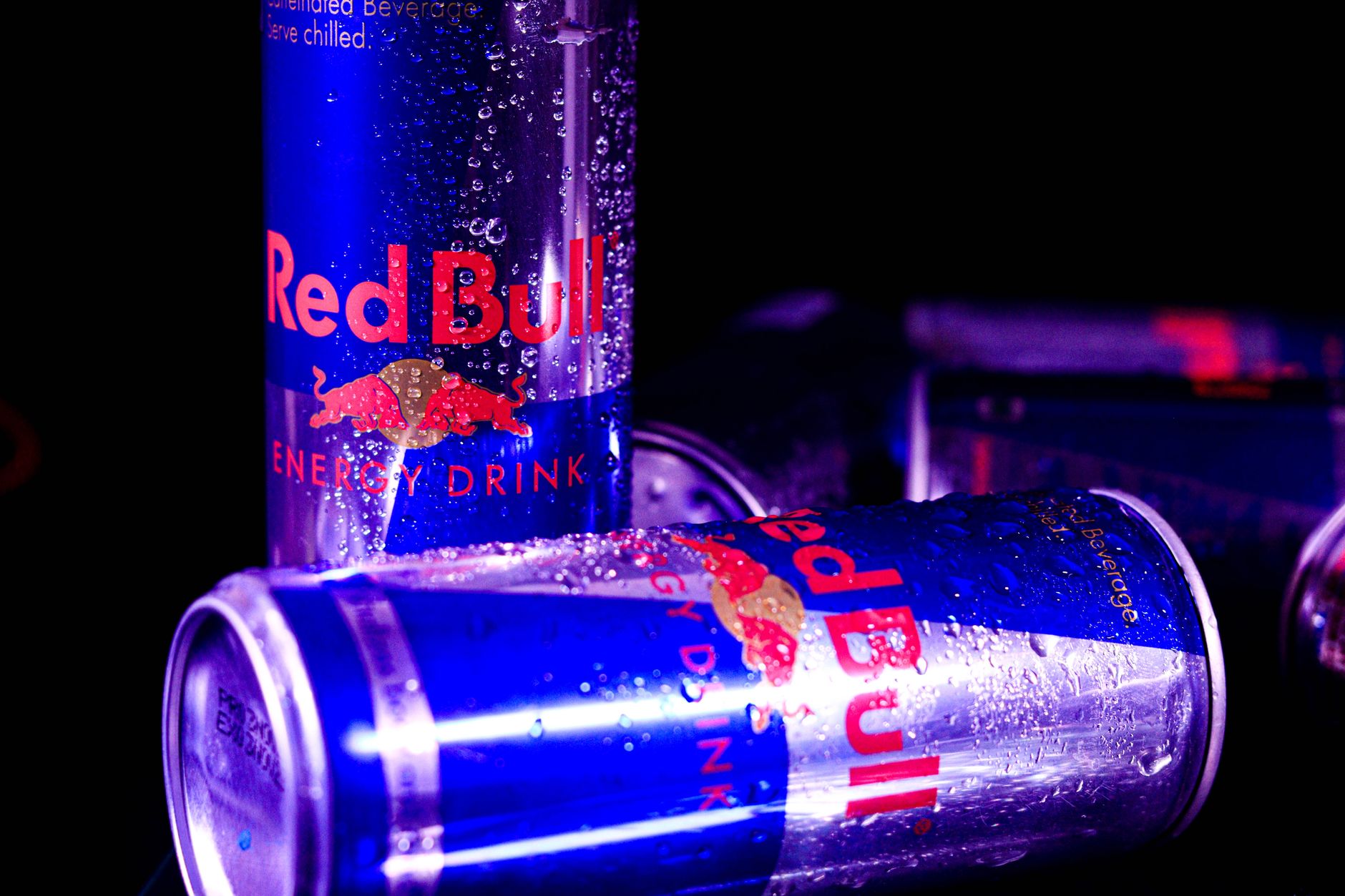
During pregnancy, many women question what beverages are safe to consume, and energy drinks like Red Bull often come to mind. Understanding the components of Red Bull, particularly its caffeine and sugar content, is crucial for weighing the potential effects on both mother and baby.
This article delves into the safety considerations surrounding Red Bull during pregnancy, providing you with information to make informed choices.
Can You Drink Red Bull While Pregnant?
No, it is generally advised against drinking Red Bull or similar energy drinks during pregnancy. The primary concerns arise from the high caffeine content and other ingredients that may pose risks to fetal development and maternal health.
Understanding Red Bull
Red Bull is a popular energy drink known for its stimulating effects, predominantly achieved through its caffeine content. Besides caffeine, it contains sugar, taurine, B vitamins, and other ingredients, which can impact the body’s systems.
Caffeine Content in Red Bull
One 8.4-ounce (250 mL) can of Red Bull contains about 80 mg of caffeine. This amount is comparable to a cup of coffee. During pregnancy, health organizations, including the American College of Obstetricians and Gynecologists, recommend limiting caffeine intake to about 200 mg per day. Consuming caffeine above this limit may increase the risk of miscarriage, preterm labor, or low birth weight.
Effects of Caffeine During Pregnancy
Excessive caffeine consumption can lead to various adverse effects during pregnancy:
- Increased Heart Rate: High caffeine can elevate the heart rate, leading to cardiovascular stresses.
- Dehydration: Caffeine has diuretic properties which may contribute to dehydration, an important consideration during pregnancy.
- Impacted Fetal Development: Studies suggest that high levels of caffeine can affect the fetal brain development.
Other Ingredients in Red Bull
Aside from caffeine, Red Bull contains other components that raise concerns:
- Sugar: A can of Red Bull has approximately 27 grams of sugar, which can contribute to excessive weight gain and gestational diabetes if consumed regularly.
- Taurine: The effects of taurine during pregnancy are not well-studied, but its role in fetal development is not fully understood.
- B Vitamins: While B vitamins are essential during pregnancy, they are often consumed in adequate amounts through a balanced diet.
Potential Risks of Drinking Red Bull While Pregnant
Consuming Red Bull during pregnancy may have several potential risks:
- Increased Risk of Gestational Diabetes: High sugar content can raise blood sugar levels, implicating gestational diabetes mellitus.
- Possible Effects on Sleep Patterns: Caffeine can disrupt sleep, and poor sleep can be detrimental to both the mother’s health and fetal development.
- Potential for Addiction: Regular consumption may lead to dependency on caffeine, making it difficult to cut down during pregnancy.
Alternatives to Red Bull
Considering the potential risks associated with Red Bull, here are some healthier alternatives that can help maintain your energy levels during pregnancy:
- Water: Staying hydrated is crucial. Drinking enough water can boost your energy levels effectively.
- Herbal Teas: Certain herbal teas, such as peppermint or ginger, can provide energy without caffeine. Always check for pregnancy-safe varieties.
- Fruit Juices: Freshly squeezed fruit juices can give a natural sugar boost and are rich in vitamins and minerals.
- Nutritious Smoothies: Combine fruits, yogurt, and greens for a wholesome breakfast or snack that provides energy without excess sugar.
When Can You Have Caffeine During Pregnancy?
If you’re keen on incorporating caffeine into your diet, moderation is key. Consider the following safe practices:
- Check Labels: Always check the caffeine content of beverages to help manage your daily intake.
- Limit Other Sources: Consider your total caffeine consumption from all sources, including coffee, tea, and chocolate.
- Opt for Low-Caffeine Alternatives: If you desire a caffeinated beverage, consider half-caff coffee or decaf tea.
Consulting with Healthcare Professionals
Always consult with your healthcare provider regarding dietary choices during pregnancy. They can offer personalized advice based on your health needs and pregnancy progress.
Common Myths about Pregnancy and Caffeine
There are several misconceptions surrounding caffeine consumption during pregnancy:
- Myth: All caffeine is harmful. Reality: Moderate caffeine can be safe; however, high amounts should be avoided.
- Myth: Energy drinks are the same as coffee. Reality: Energy drinks often contain additional ingredients that may not be safe in pregnancy.
Legal Considerations for Nutritional Labels
It’s essential to know how to read nutritional labels accurately, especially during pregnancy. Energy drinks don’t always provide clear information about their effects. Regulations vary, so it helps to be aware of:
- Ingredient Lists: Check for natural versus artificial ingredients.
- Caffeine Source: Be aware if the caffeine is synthetic or natural.
Feeling Energized Without Caffeine
Finding energy naturally can alleviate the need for stimulants like Red Bull. Consider these practices:
- Balanced Diet: Eating nutrient-rich foods helps sustain energy levels.
- Regular Exercise: Moderate physical activity boosts energy and overall health.
- Quality Sleep: Optimize your sleep environment to ensure restorative sleep.
Conclusion
It’s advisable to avoid Red Bull and similar energy drinks during pregnancy due to their caffeine and sugar content, which can pose risks to both mother and baby. Opt for safer alternatives that keep your energy levels up without compromising your health.
Explore tasty, healthy alternatives by checking out our Chia Pudding Recipe or learn the important details in How Long Chia Seeds Should Soak for nutritious snacks during your pregnancy.