
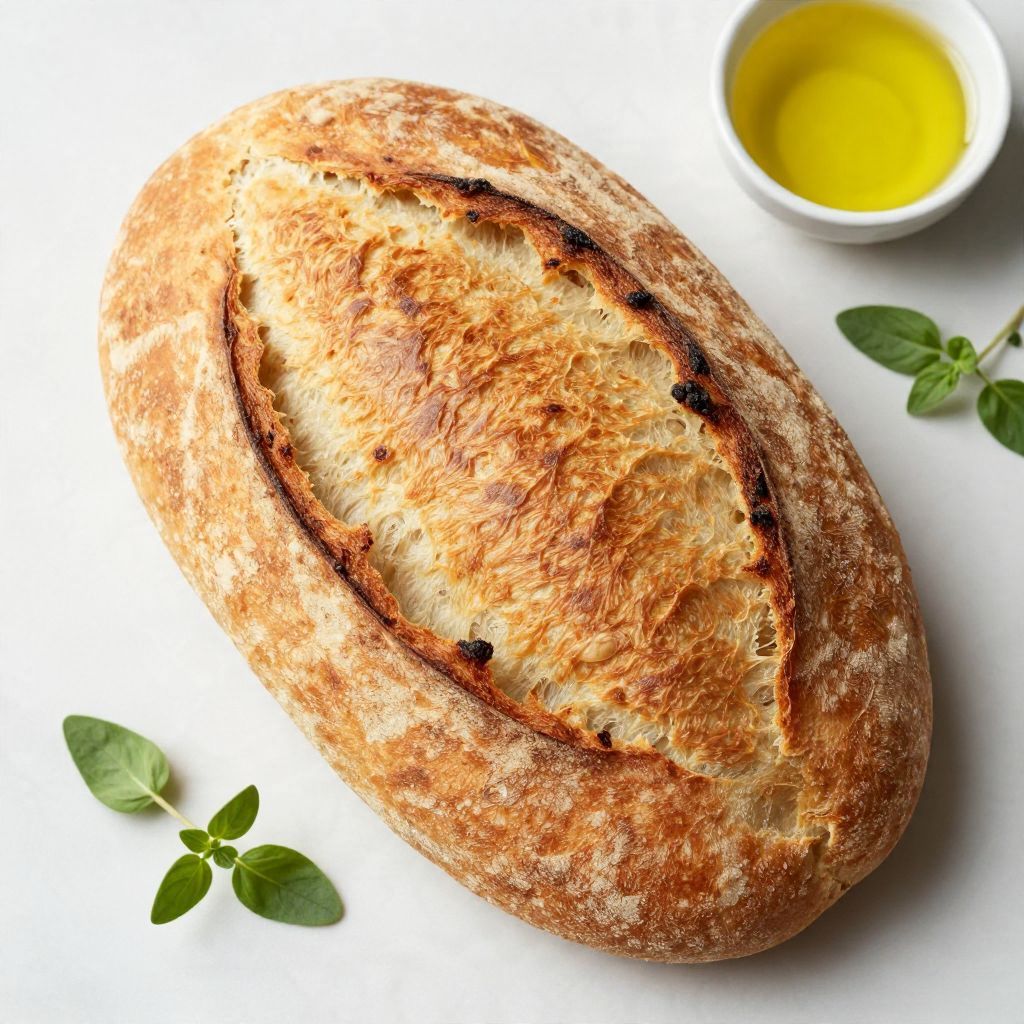
There’s something magical about the smell of freshly baked bread wafting through the house, isn’t there? This Greek Bread Recipe is a delightful blend of crispy crust and soft, airy interior that transports you straight to a sun-soaked Mediterranean kitchen.
Not only is it straightforward to make, but it also pairs beautifully with a variety of dishes, adding that perfect touch of authenticity to any meal. Let’s dive into the ingredients and get baking!
Why You’ll Love This Recipe
This recipe stands out for its incredible flavor and texture.
- Simple ingredients make it accessible.
- Perfect for sandwiches or as a side.
- Versatile enough to enjoy with dips or spreads.
- Deliciously crusty on the outside, soft on the inside.
My Experience Making This Recipe
I remember the first time I made this Greek bread; the aroma filled my kitchen, and I felt like a true artisan baker. Each bite was a testament to the joy of homemade bread.
My family couldn’t get enough and asked for it at every meal. It became a staple in our home, and I bet it will in yours too!
Recipe Overview
- Recipe Name: Greek Bread
- Servings: 8
- Prep Time: 15 minutes
- Cook Time: 30 minutes
- Total Time: 45 minutes
- Course: Bread
- Cuisine: Greek
- Calories per Serving: 150
Equipment You Will Need
- Mixing bowl
- Measuring cups
- Measuring spoons
- Wooden spoon or spatula
- Baking sheet
- Parchment paper
- Kitchen towel
Ingredients for Greek Bread
- 4 cups all-purpose flour
- 1 packet active dry yeast (about 2 ¼ teaspoons)
- 1 ½ cups warm water (about 110°F)
- 2 tablespoons olive oil
- 1 tablespoon sugar
- 2 teaspoons salt
Ingredient Notes and Substitutions
- All-purpose flour: This gives the bread structure. You can use bread flour for a chewier texture.
- Active dry yeast: Vital for leavening the bread. Instant yeast can be used without proofing.
- Olive oil: It adds flavor and moisture. Substituting with vegetable oil works too.
- Sugar: It helps in yeast activation. Honey can be a natural alternative.
- Salt: It enhances flavor. Sea salt or kosher salt are good substitutes.
How to Make Greek Bread
Step 1: Activate the Yeast
In a mixing bowl, combine warm water, sugar, and yeast. Let it sit for about 5-10 minutes until it becomes frothy, indicating the yeast is active.
Step 2: Mix Dry Ingredients
In another bowl, whisk together the flour and salt. This step ensures even distribution of the salt throughout the dough.
Step 3: Combine Wet and Dry Ingredients
Pour the yeast mixture and olive oil into the flour mixture. Stir until a rough dough forms, bringing all ingredients together.
Step 4: Knead the Dough
Turn the dough onto a floured surface and knead for about 8-10 minutes. This builds gluten, giving the bread its structure.
Step 5: Let It Rise
Place the dough in a lightly oiled bowl, cover with a kitchen towel, and let it rise in a warm place for about 1 hour. This allows the dough to double in size.
Step 6: Shape the Bread
Once risen, punch down the dough to release air, then shape it into a loaf or rounds. The shaping helps create a nice surface for the crust.
Step 7: Second Rise
Place the shaped dough onto a baking sheet lined with parchment paper. Cover it again and let it rise for another 30 minutes.
Step 8: Bake the Bread
Preheat your oven to 375°F (190°C). Bake the bread for 25-30 minutes until golden brown. The crust should be crispy, and the bread should sound hollow when tapped.
Pro Tip: For an even crustier bread, place a pan of water in the oven while baking to create steam.
Tips for the Best Greek Bread
- Use room temperature ingredients for a better rise.
- Knead thoroughly to develop gluten for a chewy texture.
- Let the dough rise in a draft-free area.
- Experiment with adding herbs for extra flavor.
- Brush the top with olive oil before baking for a golden crust.
Common Mistakes to Avoid
- Using cold water: This will slow yeast activation and affect the rise.
- Not kneading enough: Insufficient kneading can lead to dense bread.
- Skipping the second rise: This can make the bread heavy and less airy.
- Overbaking: This results in dry bread instead of a soft crumb.
Serving Suggestions
This Greek bread is incredibly versatile and can be paired with many dishes.
- Serve with hummus or tzatziki for a delicious dip.
- Enjoy alongside grilled meats or vegetables.
- Use for making sandwiches or wraps.
- Pair with olive oil and balsamic vinegar for a simple appetizer.
Variations to Try
- Add feta cheese to the dough for a salty punch.
- Incorporate sun-dried tomatoes for a tangy flavor.
- Mix in herbs like oregano or rosemary for an aromatic twist.
- Top with sesame seeds before baking for extra crunch.
Dietary Adaptations
- For gluten-free, use a gluten-free flour blend.
- To make it dairy-free, ensure all ingredients are free from dairy.
- For a vegan option, stick with plant-based ingredients like olive oil.
- Low-carb variations can use almond flour instead.
Storage and Reheating
Refrigerator
Store any leftover bread in an airtight container in the fridge.
- Best enjoyed within 3-4 days.
- Wrap in foil for protection against drying out.
Freezer
This bread freezes well if wrapped properly.
- Slice before freezing for easy access.
- Store in a freezer-safe bag for up to 3 months.
Reheating
To enjoy it warm, reheat in the oven.
- Wrap in foil and heat at 350°F (175°C) for about 10 minutes.
- For a crispier crust, toast slices in a skillet.
Nutrition Information
| Nutrient | Amount |
|---|---|
| Calories | 150 |
| Total Fat | 3g |
| Saturated Fat | 0.5g |
| Carbohydrates | 28g |
| Fiber | 1g |
| Sugar | 1g |
| Protein | 5g |
| Sodium | 200mg |
| Cholesterol | 0mg |
This information is an estimate and may vary based on ingredients used.
Frequently Asked Questions
Can I make this bread ahead of time?
Yes, you can prepare the dough and let it rise, then refrigerate it overnight for baking the next day.
What if my dough is too sticky?
If the dough is too sticky, gradually add more flour until it reaches a workable consistency.
Can I substitute the yeast?
Yes, you can use instant yeast instead of active dry yeast; just mix it directly with the flour.
How do I know when the bread is done?
The bread is done when it is golden brown and sounds hollow when tapped on the bottom.
Can I flavor the bread?
Absolutely! Adding herbs, cheese, or olives can create delicious variations.
Final Thoughts
Making Greek bread at home is a rewarding experience that fills your kitchen with warmth and wonderful aromas. I hope you give this recipe a try and enjoy every bite!
If you’re interested in exploring more bread recipes, check out my Cuban Bread Recipe and Einkorn Bread Recipe for delightful variations!
Greek Bread
Ingredients
Equipment
Method
- In a mixing bowl, combine warm water, sugar, and yeast. Let it sit for about 5-10 minutes until it becomes frothy.
- In another bowl, whisk together the flour and salt.
- Pour the yeast mixture and olive oil into the flour mixture. Stir until a rough dough forms.
- Turn the dough onto a floured surface and knead for about 8-10 minutes.
- Place the dough in a lightly oiled bowl, cover with a kitchen towel, and let it rise in a warm place for about 1 hour.
- Once risen, punch down the dough to release air, then shape it into a loaf or rounds.
- Place the shaped dough onto a baking sheet lined with parchment paper. Cover it and let it rise for another 30 minutes.
- Preheat your oven to 375°F (190°C). Bake the bread for 25-30 minutes until golden brown.