
Magnesium is an essential mineral that plays a crucial role in various bodily functions, including muscle and nerve function, blood glucose control, and blood pressure regulation. Many people do not consume enough magnesium, which can lead to deficiencies and associated health issues. Integrating magnesium-rich foods into your diet is an effective way to meet your recommended daily intake. This guide explores some of the best sources of magnesium and how you can incorporate them into your meals.
Understanding the different food sources of magnesium can help you make informed dietary choices. Below, you will find a comprehensive list of magnesium-rich foods, including their benefits, suggested serving sizes, and practical ways to add them to your daily meals.
What Are Some Magnesium Rich Foods?
Magnesium-rich foods can generally be divided into several categories: leafy greens, nuts and seeds, whole grains, legumes, fruits, and fish. Below are some of the most notable sources and their key attributes.
1. Leafy Greens
Leafy greens are highly nutritious and often packed with magnesium. They not only support bone health but are also low in calories, making them a great choice for any meal.
- Spinach: One cooked cup of spinach provides about 157 mg of magnesium. It’s versatile and can be used in smoothies, salads, and cooked dishes.
- Kale: One cup of cooked kale contains about 24 mg of magnesium. Add it to salads, soups, or sauté it with garlic for a delicious side dish.
- Swiss Chard: A cooked cup of Swiss chard provides around 150 mg of magnesium. Use it in stir-fries or as a filling in omelets.
2. Nuts and Seeds
Nuts and seeds are excellent sources of magnesium, healthy fats, and protein. They can easily be added to snacks, salads, and baked goods.
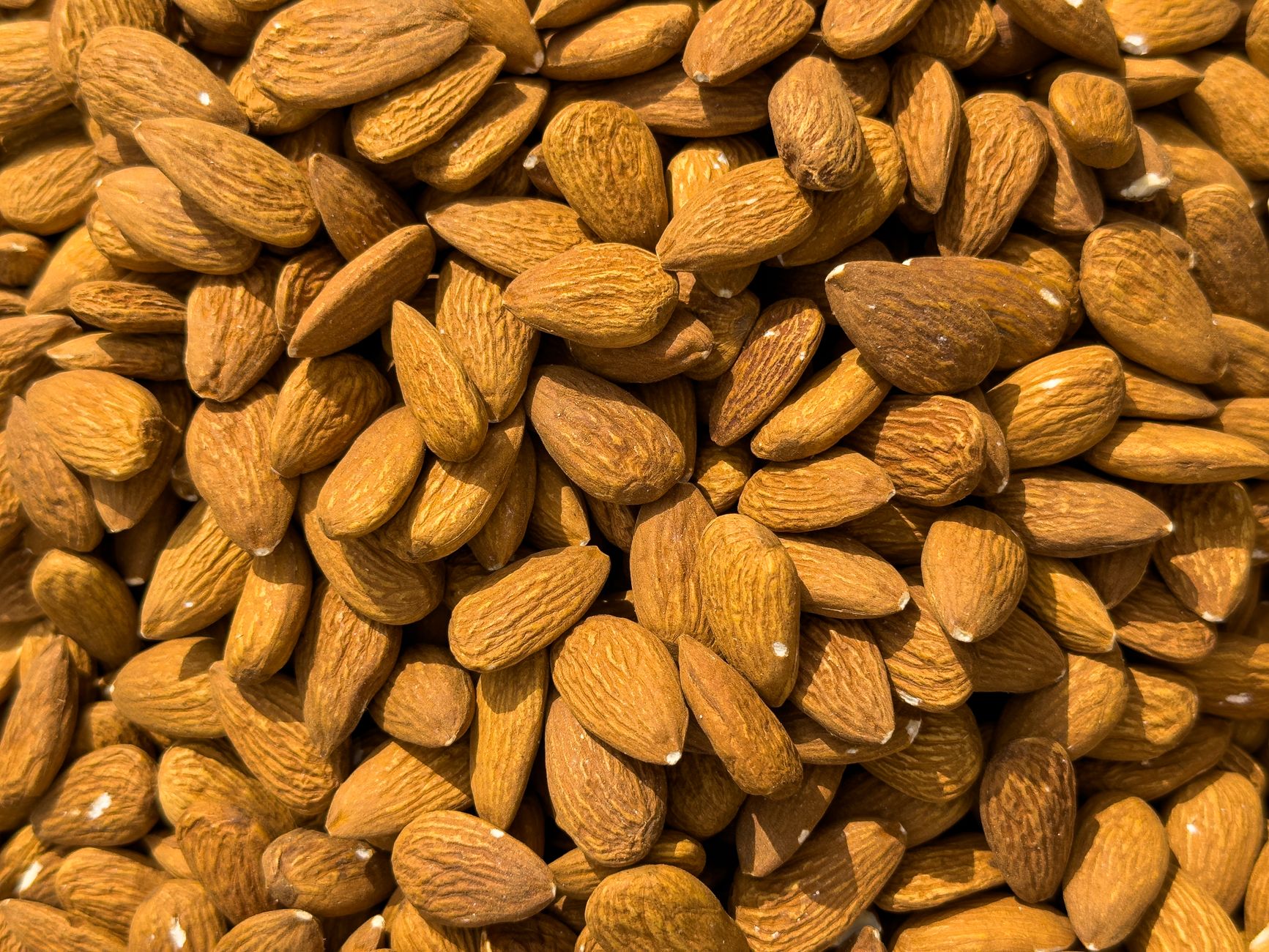
- Almonds: A one-ounce serving (about 23 almonds) contains 76 mg of magnesium. Enjoy them as a snack or add them to oatmeal.
- Cashews: One ounce of cashews provides roughly 74 mg of magnesium. They can be roasted for snacking or added to stir-fries for extra crunch.
- Pumpkin Seeds: An ounce of pumpkin seeds contains about 150 mg of magnesium. Sprinkle them on salads or blend them into smoothies for a nutrient boost.
- Chia Seeds: Just one ounce (about 2 tablespoons) of chia seeds offers around 95 mg of magnesium. They can be added to smoothies, yogurt, or made into chia pudding.
3. Whole Grains
Whole grains are another fantastic source of magnesium, fiber, and various nutrients. These grains are more nutritious than refined grains and can be used in numerous dishes.
- Quinoa: One cup of cooked quinoa provides about 118 mg of magnesium. Use it as a base for salads or as a side dish.
- Brown Rice: One cooked cup of brown rice contains around 84 mg of magnesium. It can replace white rice in most recipes.
- Oats: A cup of cooked oats has about 61 mg of magnesium. Enjoy oatmeal for breakfast topped with fruits and nuts.
4. Legumes
Legumes, such as beans and lentils, are excellent sources of magnesium and provide plenty of protein and fiber as well.
- Black Beans: One cup of cooked black beans contains approximately 60 mg of magnesium. They can be used in salads, soups, or tacos.
- Lentils: One cup of cooked lentils provides around 71 mg of magnesium. Incorporate them into soups or stews for added nutrition.
- Chickpeas: A cup of cooked chickpeas offers about 79 mg of magnesium. Use them in salads, curries, or make hummus.
5. Fruits
Fruits are generally not the highest in magnesium, but some, especially dried varieties, can provide a good amount.
- Avocado: One medium avocado contains about 58 mg of magnesium. Use it in salads, sandwiches, or smoothies.
- Bananas: A medium banana provides approximately 32 mg of magnesium. Enjoy it as a healthy snack or sliced on your morning oats.
- Figs: Fresh figs have about 18 mg of magnesium per 100 grams, while dried figs have around 68 mg per 100 grams. Enjoy them as snacks or in baked goods.
6. Fish
Certain types of fish are rich in magnesium and provide omega-3 fatty acids beneficial for heart health.
- Salmon: A 3-ounce serving of cooked salmon delivers about 26 mg of magnesium. Grill or bake it for a nutritious meal.
- Mackerel: This oily fish offers around 97 mg of magnesium per 3-ounce serving. It’s delicious when grilled or smoked.
7. Dairy Products
Dairy products also contain magnesium, alongside calcium and protein, making them great additions to your diet.
- Yogurt: One cup of yogurt contains about 47 mg of magnesium. Use it in smoothies or as a base for parfaits with fruits and nuts.
- Milk: One cup of milk provides approximately 24 mg of magnesium. Incorporate it into smoothies, cereals, or enjoy it as a drink.
Ways to Incorporate Magnesium-Rich Foods into Your Diet
Adding magnesium-rich foods to your diet can be simple and enjoyable. Consider the following meal ideas to enhance your magnesium intake:
Breakfast
- Start your day with oatmeal topped with sliced bananas, almonds, and a drizzle of honey.
- Blend a smoothie with spinach, avocado, chia seeds, and a banana for a nutrient-packed breakfast.
- Prepare a yogurt parfait using Greek yogurt, fresh figs, and pumpkin seeds.
Lunch
- Make a salad featuring kale, quinoa, chickpeas, and sliced avocado tossed with a lemon vinaigrette.
- Prepare a wrap using whole grain tortillas filled with black beans, spinach, and guacamole.
- Enjoy a bowl of lentil soup alongside slices of whole-grain bread.
Dinner
- Grill salmon and serve it with steamed broccoli and brown rice.
- Try a stir-fry with Swiss chard, tofu, and cashews served over quinoa.
- Cook a hearty casserole layered with whole grain pasta, black beans, and cheese.
Snacks
- Snack on a handful of mixed nuts or homemade trail mix with dried fruit.
- Enjoy vegetable sticks dipped in homemade hummus made from chickpeas and tahini.
- Savor a chia seed pudding topped with fresh fruit and a sprinkle of pumpkin seeds.
Practical Tips for Getting More Magnesium
Incorporating magnesium-rich foods into your diet doesn’t have to be overwhelming. Here are some practical tips to make it easier:
- Plan your meals: Incorporate magnesium-rich foods into your meal planning. This ensures that you have the ingredients on hand.
- Mix it up: Diversify your sources of magnesium by varying the types of foods you eat. Consider trying new recipes that feature these ingredients.
- Keep snacks ready: Prepare healthy snacks ahead of time to meet your magnesium goals without needing to think about it during busy days.
Common Misconceptions About Magnesium
As magnesium gains popularity for its health benefits, several misconceptions have emerged. Here are some facts to set the record straight:
- Magnesium is not only important for muscle function: While many associate magnesium with muscle function and performance, it also plays essential roles in energy production, protein synthesis, and bone health.
- Pills aren’t the only solution: Many people think that supplements are the best route to increase magnesium levels. Whole foods provide additional nutrients that supplements lack.
Factors Affecting Magnesium Absorption
Magnesium absorption can be influenced by various factors, including:
- The presence of other minerals: High calcium intake can interfere with magnesium absorption. Balance your intake of minerals for optimal absorption.
- Gut health: An unhealthy gut can impact the absorption of magnesium and other nutrients. Make sure to support gut health with fiber-rich foods and probiotics.
- Processed foods: Diets high in processed foods tend to be low in magnesium. Reducing processed food consumption can improve magnesium levels.
Final Thoughts on Magnesium and Diet
Incorporating magnesium-rich foods into your diet can significantly impact your overall health. By focusing on natural food sources and creating diverse meals, you can easily meet your magnesium needs without resorting to supplements. Aim for a balanced diet that includes leafy greens, nuts and seeds, whole grains, legumes, fruits, and fish to boost your magnesium intake effectively.
Next time you plan your meals, consider the magnesium-rich foods listed above and create delicious and nutritious dishes. To explore more creative recipes, consider trying our Chia Pudding Recipe and our Protein Granola Recipe for healthy snacks!