
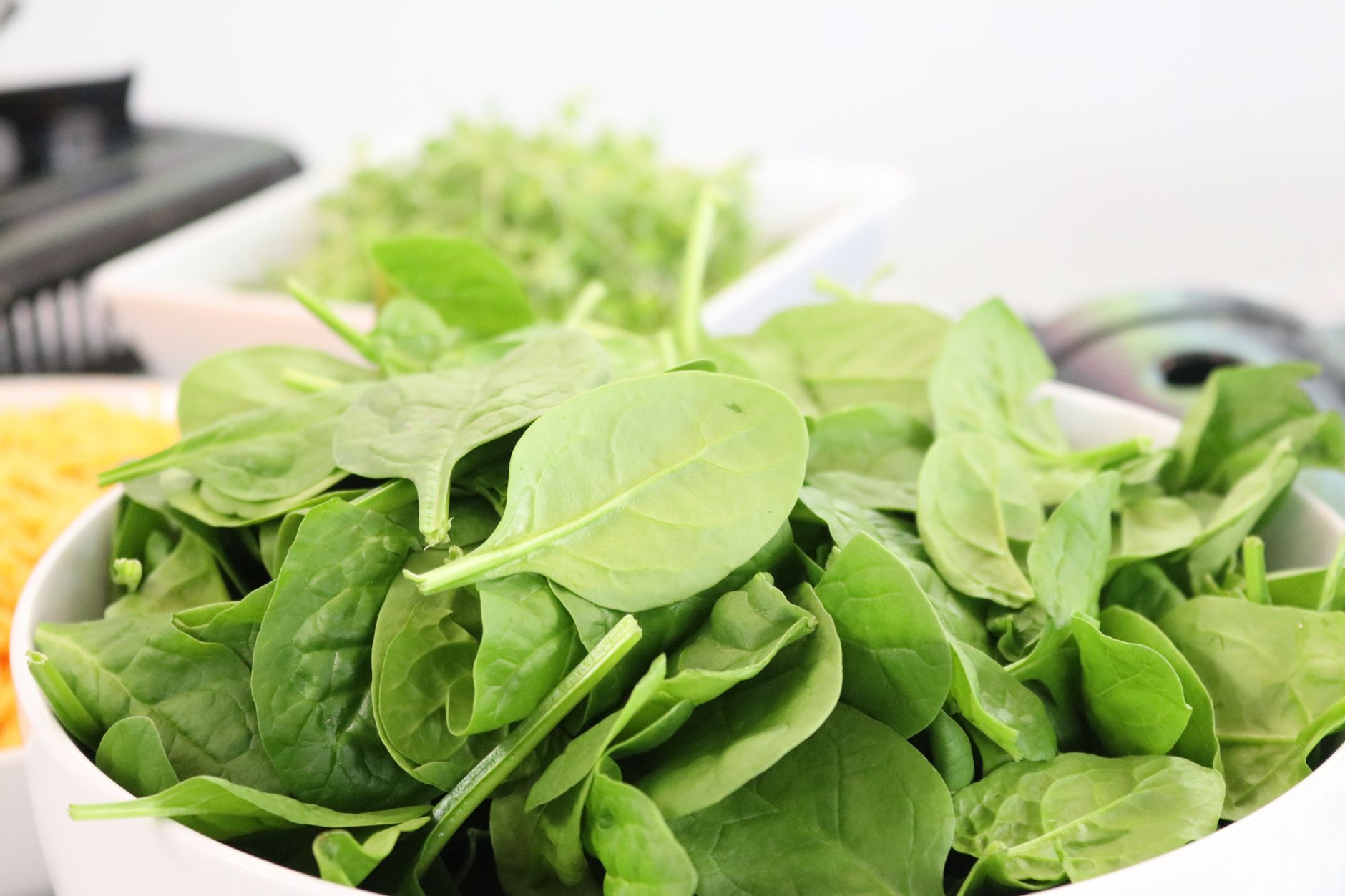
Spinach is a versatile leafy green that can enhance a myriad of dishes, ranging from salads to smoothies. However, understanding how to store spinach properly and recognizing when it has gone bad is essential for maintaining both its flavor and nutritional value. This article will delve into the shelf life of spinach, storage tips, and signs of spoilage to ensure you enjoy this superfood at its best.
Whether you’re planning to incorporate spinach into your meals or simply have some leftover from a previous recipe, knowing how to handle and store it can save you time and reduce waste. Let’s explore everything you need to know about spinach and its freshness.
Does Spinach Go Bad?
Yes, spinach does go bad. While it can stay fresh for several days under proper storage conditions, it will eventually spoil. Recognizing the signs of spoilage and understanding shelf life can help manage your spinach consumption more effectively.
Shelf Life of Spinach
The longevity of spinach depends on various factors such as the form in which it is stored—fresh, frozen, or canned—and how it is kept. Here’s a breakdown:
Fresh Spinach
Fresh spinach has a relatively short shelf life:
- In the fridge: Fresh spinach can last about 5 to 7 days when stored properly in the refrigerator.
- Room temperature: If left out at room temperature, spinach can last just a few hours, particularly if it’s warm.
Frozen Spinach
Freezing spinach can significantly extend its shelf life:
- In the freezer: Properly frozen spinach can last 10 to 12 months and retain quality if stored in an airtight container.
Canned Spinach
Canned spinach typically has a longer shelf life:
- Unopened cans: They can last for 3 to 5 years when stored in a cool, dark place.
- Opened cans: Once opened, it should be consumed within 3 to 4 days.
How to Store Spinach
Proper storage can help maximize spinach’s freshness. Here are some effective methods for storing fresh spinach:
Refrigeration
- Remove any damaged or wilted leaves from the bunch.
- If the spinach is unwashed, place it in a perforated plastic bag to allow for airflow, helping to reduce moisture buildup.
- If washed, dry the leaves thoroughly with a salad spinner or paper towels, then place them in a clean, airtight container lined with a dry paper towel to absorb excess moisture.
- Store the container in the crisper drawer of your refrigerator; this area typically maintains humidity levels suitable for leafy greens.
Freezing Spinach
Freezing is a great option for preserving surplus spinach:
- Wash the spinach leaves thoroughly and remove any thick stems.
- Blanch the spinach in boiling water for 2 minutes to stop enzyme action that can lead to spoilage, then immediately transfer it to an ice bath to halt cooking.
- Drain and pat dry before packing the leaves into freezer-safe bags or airtight containers.
- Squeeze out air to prevent freezer burn, and label the bags with the date before placing them in the freezer.
Canning Spinach
Though canning spinach is less common for home cooks, it can be done:
- Ensure to use pressure canning rather than water bath canning, as spinach is low in acidity.
- Follow tested canning recipes and ensure to follow safety guidelines to ensure proper preservation.
Signs That Spinach Has Gone Bad
To avoid consuming spoiled spinach, it’s essential to know the signs of freshness loss. Here’s what to look for:
Visual Inspection
- Color: Fresh spinach will have vibrant green leaves. If the leaves are yellow or brown, it’s time to discard them.
- Wilted Leaves: Spinach that is soft and wilting is no longer fresh. While you might salvage some leaves, it’s best not to consume excessively wilted spinach.
Texture
- Sliminess: If the leaves feel slimy or sticky, this indicates spoilage due to bacterial growth. Do not consume it.
- Excessive softness: Spinach should be somewhat crisp; if it feels mushy, it is spoiled.
Smell
- Odor: Fresh spinach has a mild, earthy scent. If it emits a sour or rancid smell, it should not be eaten.
How to Use Wilted Spinach
Sometimes, spinach may wilt before you have a chance to use it. Here are a few ways to utilize slightly wilted spinach, which is still safe to eat:
- Smoothies: Blend it into smoothies for added nutrition, disguising any mild texture changes with fruits.
- Soups and stews: Add wilted spinach to soups or stews where cooking will revive some of its texture.
- Cooked dishes: Sauté the spinach with garlic or onions; wilting will not affect its flavor when cooked.
Common Questions About Spinach Storage and Spoilage
Can you eat spinach after the expiration date?
If spinach is past its expiration date but shows no signs of spoilage (tender texture, discoloration, or odor), it may still be safe to consume. However, evaluate it carefully before consumption.
Is it safe to eat spinach with brown spots?
Brown spots on spinach are often a sign of bruising or aging. If only a few leaves have brown spots and the rest are fresh, you can remove the affected leaves and consume the remaining spinach. If most leaves are affected, consider discarding them.
How can I tell if frozen spinach is still good?
Frozen spinach can often be consumed after long periods in the freezer if stored correctly. Check for any freezer burn (which appears as white, dry patches on the leaves) and off odors. Freezer burn does not make the spinach unsafe, but it will affect the quality.
Final Tips for Handling Spinach
- Buy in small quantities: If you’re not certain how much spinach you will use, opt for smaller packages to reduce waste.
- Check expiration dates: Be mindful of the sell by or use by dates for packaged spinach.
- Consider your meal plan: When buying fresh produce, plan meals that incorporate leafy greens earlier in the week to enjoy them at their peak.
- Regularly inspect stored spinach: Check for spoilage every few days to catch any issues early on.
By following these guidelines, you can enjoy fresh spinach while minimizing waste. Understanding how to properly store it and recognizing its signs of spoilage will ensure that you are getting the best flavor and nutritional value from this wonderful vegetable.
Learn more about related topics such as the shelf life of chia seeds and the protein content in spinach. These resources can enhance your cooking knowledge and help you create nutritious meals.