
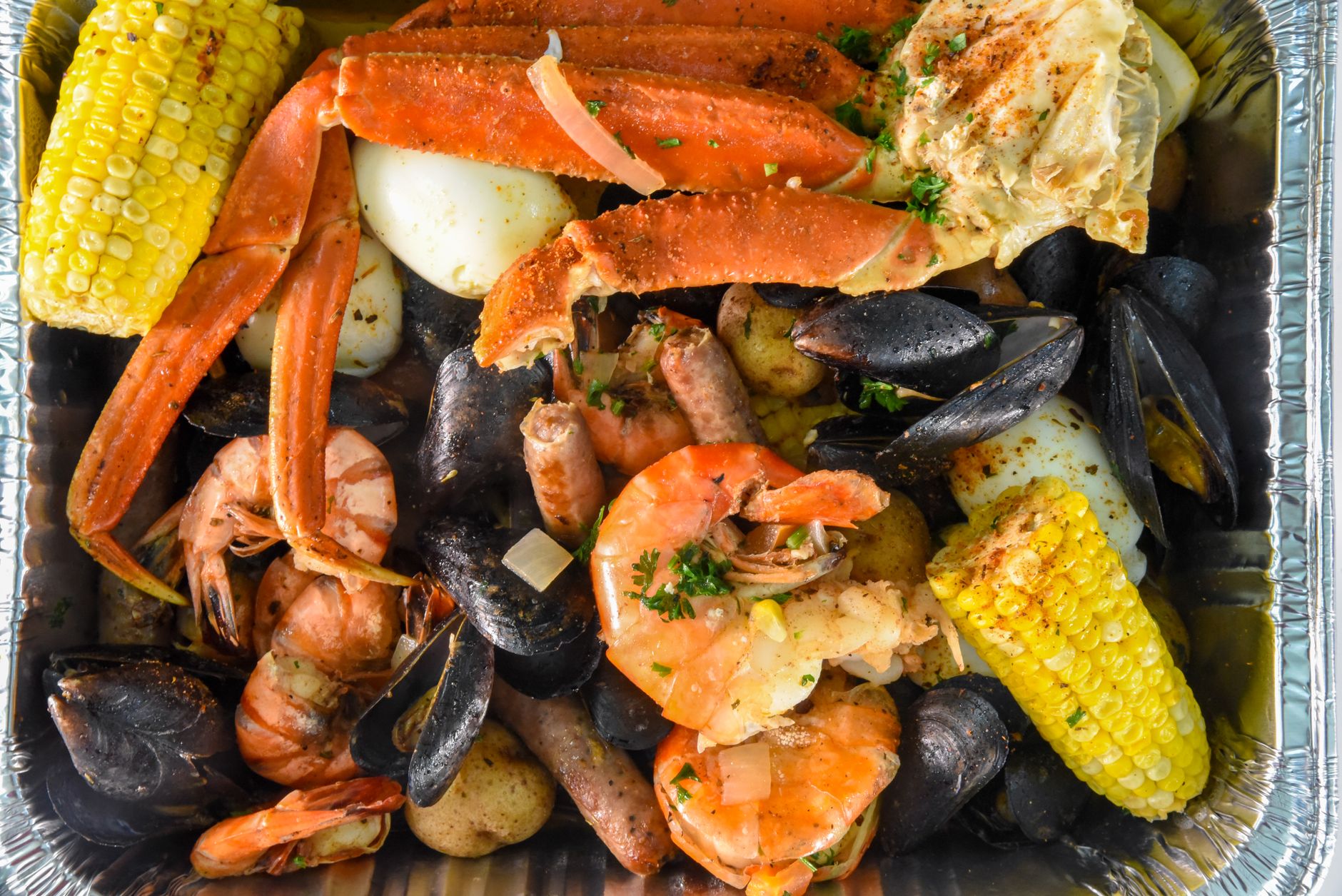
Seafood boils are a delightful way to enjoy a variety of fresh seafood, flavored with aromatic spices and served in a communal style. This casual dining experience often brings friends and family together, making it a popular choice for gatherings and celebrations. Knowing what to put in a seafood boil can elevate the dish, creating an unforgettable culinary experience.
In this guide, we’ll explore all the essential ingredients, preparation tips, cooking techniques, and serving suggestions for your seafood boil. From the main seafood sources to the flavorful seasonings, we’ll cover everything you need to create a successful seafood boil.
What to Put in a Seafood Boil?
A seafood boil typically includes a variety of seafood, vegetables, and flavorful seasonings. Common ingredients include shrimp, crab, mussels, potatoes, corn, and sausage, all infused with spices like Old Bay or Cajun seasoning. Choosing high-quality and fresh ingredients will make a significant difference in flavor and texture.
Essential Ingredients for a Seafood Boil
Here’s a comprehensive list of ingredients commonly used in a seafood boil, along with their culinary roles:
- Seafood:
- Shrimp (2-3 pounds): Fresh or frozen, peeled or unpeeled.
- Crab (2-3 pounds): Snow crabs or blue crabs work well.
- Mussels (1-2 pounds): Cleaned and debearded.
- Crawfish (2-3 pounds): Live or frozen, depending on availability.
- Vegetables:
- Potatoes (2-3 pounds): Small varieties like baby red or Yukon gold potatoes.
- Sweet corn (4-6 ears): Cut into halves or thirds for easier serving.
- Onions (1-2): Quartered for added flavor.
- Garlic (1 head): Whole cloves add depth and aroma.
- Protein:
- Sausage (1-2 pounds): Andouille or smoked sausage adds a rich, hearty element.
- Seasonings:
- Cajun seasoning (1/2 cup): Choose store-bought or homemade.
- Old Bay seasoning (1/2 cup): An iconic seafood seasoning blend.
- Lemon (2-3): Quartered for brightness and acidity.
- Bay leaves (2-3): To infuse flavor during boiling.
- Red pepper flakes (optional): For extra heat.
- Liquid:
- Water (enough to fill a large pot): Approximately 4-6 quarts, depending on pot size.
- Beer (optional): Adds richness and depth; light ales work best.
- Vinegar (1-2 cups): Enhances flavor and helps tenderize seafood.
Gathering Equipment for the Boil
Having the right equipment is essential for a successful seafood boil. Here’s what you’ll need:
- Large stockpot: A pot with a capacity of at least 10-12 quarts is ideal.
- Propane burner or stovetop: For outdoor boils, a propane burner can accommodate larger quantities.
- Strainer basket: A large, perforated basket makes it easy to lift out the seafood and vegetables.
- Ladle and tongs: For serving the boil.
- Table covering: Plastic tablecloths help with clean-up since seafood boils can be messy.
Preparation Steps for a Seafood Boil
To ensure everything cooks evenly and flavors meld together perfectly, it’s vital to follow a proper sequence. Here’s a step-by-step guide:
- Fill the pot with water: In your large stockpot, add enough water to cover the seafood and vegetables. Aim for at least 4-6 quarts.
- Add aromatics and seasonings: Include onions, garlic, lemons, bay leaves, Cajun seasoning, and Old Bay in the pot. Optionally, add vinegar and beer for additional flavor.
- Bring to a boil: Place the pot on the burner or stovetop and bring the water to a rolling boil.
- Cook potatoes: Add the potatoes first as they require the longest cooking time. Boil for about 15-20 minutes or until they are fork-tender.
- Add corn and sausage: Add the corn and sausage, boiling for an additional 5-10 minutes.
- Add seafood: Depending on the type, add shrimp, crab, mussels, and/or crawfish. Cook for an additional 3-5 minutes until the shrimp turn pink and the mussels open. Discard any that do not open.
- Check for doneness: Ensure the seafood is fully cooked. Use a food thermometer to check that seafood has reached a safe internal temperature of 145°F (63°C).
- Drain the pot: Carefully remove the strainer basket or pour the contents into a colander to drain excess liquid.
- Serve: Spread out the boil on a covered table and let guests help themselves. Provide plenty of napkins, lemon wedges, and any desired dipping sauces.
Timing Tips for a Seafood Boil
Getting the timing right is crucial in a seafood boil. Here’s a helpful guideline:
- Potatoes: 15-20 minutes
- Corn: 5-10 minutes
- Sausage: 5-10 minutes (if precooked)
- Shrimp: 3-5 minutes
- Mussels: 3-5 minutes until they open
- Crab: 5-10 minutes, depending on size
Adjust these times based on the size and type of ingredients used. Always err on the side of caution when cooking seafood to ensure it’s fully cooked.
Common Mistakes and Troubleshooting
There are a few common pitfalls to avoid when preparing a seafood boil:
- Overcooking: Seafood can become rubbery and tough when overcooked. Watch the time closely, especially for shrimp and mussels.
- Insufficient seasoning: A seafood boil should be boldly flavored. Don’t be afraid to adjust the seasonings and try different combinations to match your taste.
- Not soaking the seafood: If using frozen seafood, ensure it is fully thawed and rinsed to remove excess ice and any potential grit.
- Ignoring safety standards: Always ensure that clams and mussels are alive before cooking. Discard any that remain closed after cooking.
Serving Suggestions for Your Seafood Boil
Serving a seafood boil is all about presentation and convenience. Here are some tips:
- Lay out the spread: After draining, lay the seafood and vegetables directly on a large table covered with newspaper or butcher paper for a rustic look.
- Offer dipping sauces: Enhance the flavors with a variety of sauces such as melted butter, garlic sauce, or cocktail sauce.
- Include sides: Provide side dishes like coleslaw, potatoes salad, and crusty bread to complement the meal.
- Set the mood: Consider adding outdoor seating, picnic-style blankets, and casual tableware to enhance the dining experience.
Variations and Substitutions
Your seafood boil is highly customizable. Here are some variations to consider:
- Different seafood types: Feel free to substitute or add other seafood like scallops, lobster, or fish based on availability or preference.
- Spicy options: Enhance the heat levels by adding jalapeños, Cajun sausage, or hot sauce to the mix.
- Vegetarian alternatives: Create a non-seafood boil with vegetables like zucchini, mushrooms, and artichokes, seasoned with similar spices.
Storing and Reheating Leftovers
If you have any leftovers (which is often the case in a seafood boil), proper storage and reheating will ensure they stay delicious:
- Storage: Cool leftover seafood within two hours of cooking and store in airtight containers in the refrigerator for up to 2-3 days.
- Reheating: Reheat gently in a saucepan over low heat, adding a splash of water, broth, or white wine to prevent drying out.
Final Thoughts
Now that you know what to put in a seafood boil, the world of flavors awaits you. Not only can you adjust the ingredients to suit your taste, but you can also create a communal experience that brings people together. Experiment with different seasonings and variations to make your seafood boil a unique creation each time you host a gathering.
If you would like to explore different seafood recipes, be sure to check out our Crawfish Boil Recipe for more culinary inspiration. Additionally, complement your boil with a flavorful Seafood Boil Sauce Recipe that pairs perfectly with the dish.