
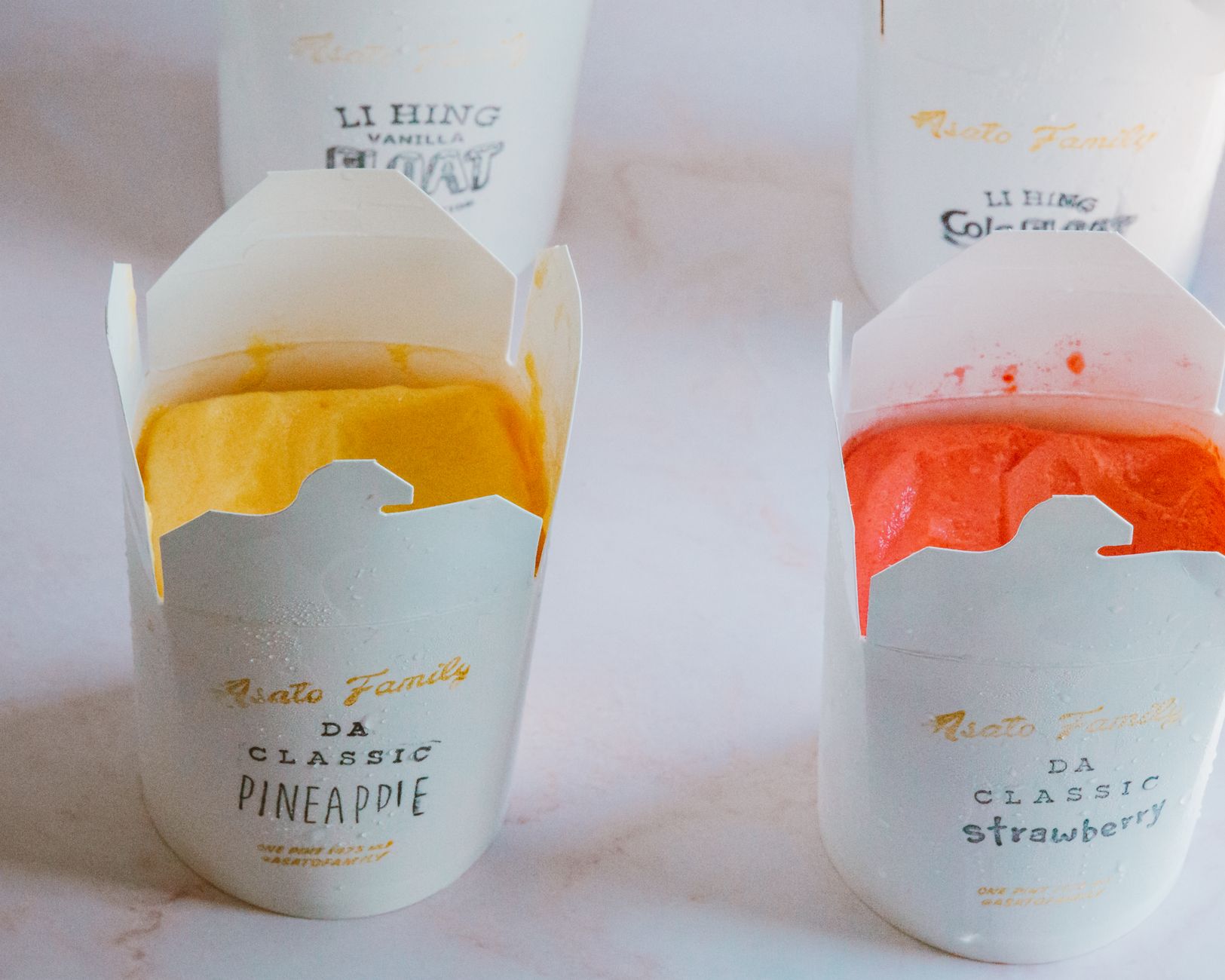
Li Hing Mui Powder is a versatile and intriguing ingredient that hails from Hawaiian cuisine. Made from dried and salted plums, this powder brings a unique blend of savory, sweet, and sour flavors to various dishes and drinks. Its distinctive taste has gained popularity beyond Hawaii, captivating food enthusiasts and home cooks around the world.
This article explores Li Hing Mui Powder in detail, including its flavor profile, texture, versatile kitchen uses, and how to incorporate it into your cooking. Whether you’re looking to elevate your snacks, drinks, or desserts, understanding this ingredient will enhance your culinary repertoire.
What Is Li Hing Mui Powder?
Li Hing Mui Powder is derived from Li Hing Mui, which refers to a Chinese snack made from dried and salted plums. These plums, known as “mui,” are preserved with a combination of salt, sugar, and sometimes spices, giving them a complex flavor profile. The plums are crushed and ground into a fine powder, turning into Li Hing Mui Powder, which is often used to season a variety of foods and drinks.
Flavor Profile of Li Hing Mui Powder
The flavor of Li Hing Mui Powder is complex and multifaceted. It offers a unique combination of sweet, salty, and sour notes, creating a flavor that can enhance many dishes. Here’s a breakdown of its key flavor components:
- Salty: The preserved plums are treated with salt, which imparts a savory quality.
- Sweet: The addition of sugar balances the saltiness, providing a sweet undertone that complements many desserts.
- Sour: The natural tartness of the plums brings a refreshing zing, making it an excellent contrast to richer flavors.
Texture of Li Hing Mui Powder
Li Hing Mui Powder has a fine, powdery texture that easily integrates into various recipes. When used as a seasoning, it can provide a slight graininess, depending on the quantity used. This texture allows it to adhere well to foods, making it a popular choice for dusting fruits, candies, and snacks.
Culinary Uses of Li Hing Mui Powder
Li Hing Mui Powder is extremely versatile in the kitchen and can be used in a multitude of ways. Here are some common applications:
1. Seasoning Fruits
One of the most popular uses of Li Hing Mui Powder is as a seasoning for fresh fruits. It pairs exceptionally well with:
- Mango
- Watermelon
- Apples
- Pineapple
Sprinkling Li Hing Mui Powder over fresh fruit not only enhances its flavor but also adds an interesting texture contrast.
2. Flavoring Snacks
Li Hing Mui Powder can turn mundane snacks into exciting treats. It can be used to sprinkle over:
- Popcorn
- Nuts
- Puffed rice
This adds a savory and sweet taste to your snacks, making them more compelling.
3. Enhancing Desserts
In desserts, Li Hing Mui Powder lends a unique flavor twist. It works well in:
- Shave Ice: Adding Li Hing Mui Powder enhances the flavor profile of this popular Hawaiian dessert.
- Ice Cream: Mixing it into homemade or store-bought ice cream creates a delightful flavor contrast.
- Candies: It can be incorporated into candy recipes or sprinkled on top for an exciting flavor contrast.
4. Drink Flavoring
One of the most innovative uses of Li Hing Mui Powder is in drinks. It can be used to flavor:
- Smoothies: Blending it into smoothies adds depth and character.
- Mocktails and Cocktails: Dusting the rim of a glass or mixing it into beverages provides a unique flavor experience.
- Shakes: Li Hing Mui Powder can transform a standard shake by adding an unexpected flavor twist.
5. Marinades and Sauces
Li Hing Mui Powder can be incorporated into marinades or sauces, particularly those for meats and seafood. Its savory and sweet notes can elevate flavors, particularly in Asian-inspired dishes.
How to Use Li Hing Mui Powder
When using Li Hing Mui Powder, there’s no need for a specific recipe to follow; rather, it can be sprinkled or mixed into dishes according to your taste preferences. However, a few key tips can help you make the most of this ingredient:
1. Start Small
Because of its strong flavor profile, start with a small amount and adjust to taste. It’s easier to add more than to take away if the flavor becomes overpowering.
2. Pairing Flavors
Li Hing Mui Powder works well with both sweet and savory dishes. Experiment with different flavor combinations to find what suits your palate best.
3. Storage
Store Li Hing Mui Powder in an airtight container in a cool, dry place. Proper storage will ensure that its flavors remain potent over time.
Substitutes for Li Hing Mui Powder
If you can’t find Li Hing Mui Powder or want to try a different flavor profile, here are some suitable substitutes:
- Plum Powder: This can provide a similar tart sweetness but without the added salty notes.
- Tamarind Powder: A tangy alternative that mimics the sweetness and sourness.
- Chili Powder with Sugar: A mix of chili powder and sugar can create a spicy-sweet alternative for certain recipes.
Common Mistakes to Avoid
When working with Li Hing Mui Powder, a few common pitfalls to watch for include:
1. Overuse
Due to its potent flavor, it’s easy to overdo it. Go easy, and remember that a little can go a long way.
2. Ignoring Pairings
Not all flavors work well with Li Hing Mui Powder. Consider the balance of sweet, salty, and sour when combining it with other ingredients.
3. Not Storing Properly
Exposing the powder to moisture or heat can degrade its flavor. Always store in an airtight container.
Frequently Asked Questions About Li Hing Mui Powder
Can I make Li Hing Mui Powder at home?
While it’s possible to create a similar powder by drying plums and mixing with salt and sugar, traditional Li Hing Mui is a unique product that may be challenging to replicate accurately at home.
Is Li Hing Mui Powder spicy?
No, it is not inherently spicy. It combines salty, sweet, and sour flavors without heat. However, when used in conjunction with spicy ingredients, it can enhance the overall flavor profile.
Where can I buy Li Hing Mui Powder?
Li Hing Mui Powder can often be found in Asian grocery stores or online. It may also be available in specialty food markets.
Conclusion
Li Hing Mui Powder serves as a unique seasoning that can elevate your culinary creations with its sweet, salty, and sour taste. From fruits to desserts and drinks, this versatile ingredient can bring exciting flavor contrasts to a range of dishes. Start experimenting today!
Explore our related resources for more ideas and tips, including what molasses is made from and good substitutes for rosemary. These guides can further enhance your culinary knowledge and help you make delicious meals.