
Canola oil is an extremely versatile cooking oil derived from the seeds of the canola plant. It’s widely used in a variety of culinary applications due to its mild flavor, high smoke point, and health benefits. This article delves into the specific uses of canola oil, providing helpful insights, recipe ideas, and serving tips that can enhance your cooking experience.
Whether you’re frying, baking, or making dressings, understanding the properties and applications of canola oil can help you make the most of this ingredient. Let’s explore the various ways you can incorporate canola oil into your kitchen routines.
What Is Canola Oil Used For?
Canola oil is primarily used for frying, baking, salad dressings, and marinades, thanks to its neutral flavor and high smoke point. It’s also popular in various culinary techniques due to its health benefits, including lower saturated fat content and omega-3 fatty acids.
Cooking with Canola Oil: Techniques and Applications
Frying
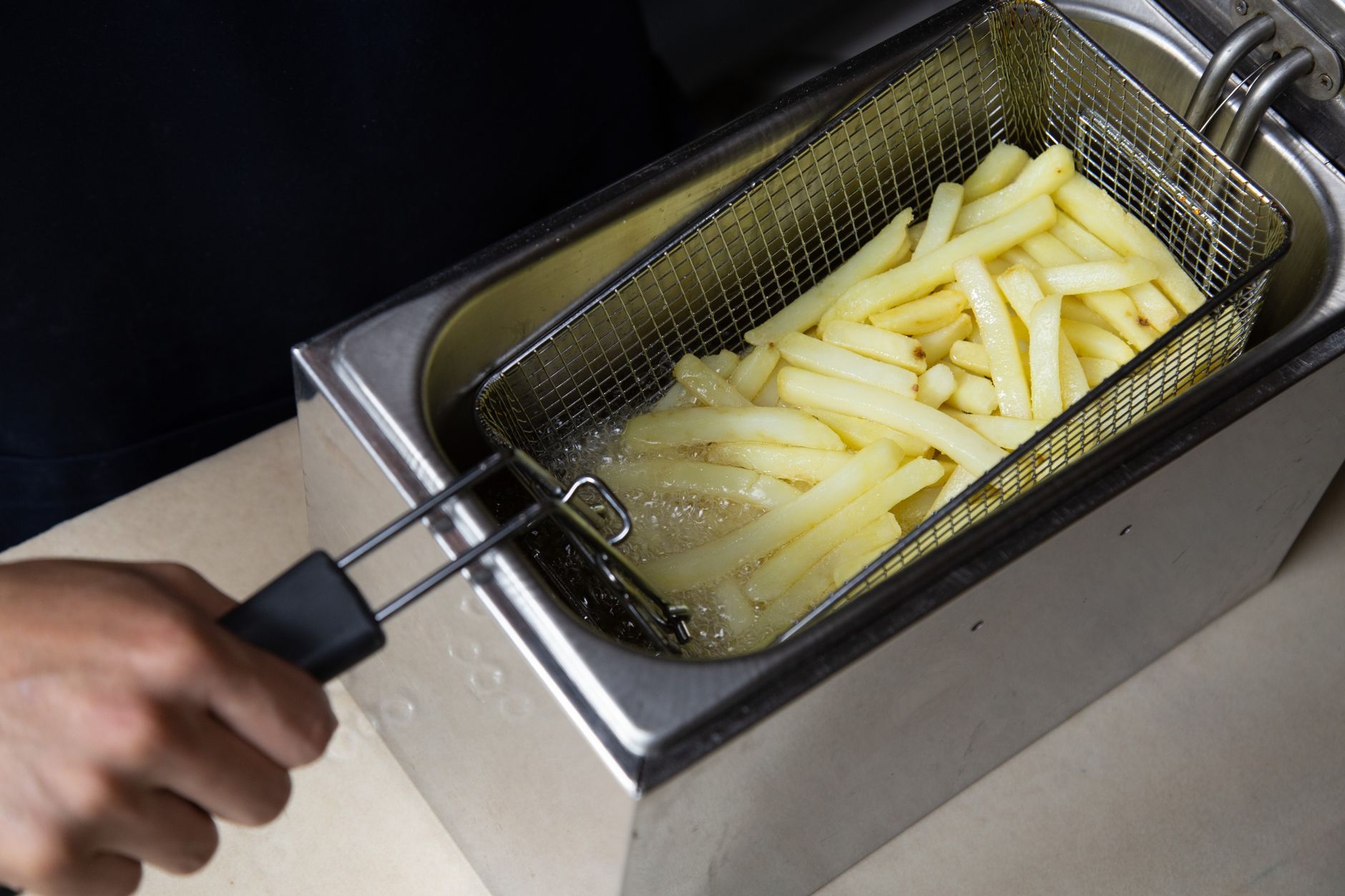
One of the most common uses of canola oil is frying. Its high smoke point, around 400°F (204°C), makes it an ideal choice for deep-frying and pan-frying. Foods cooked in canola oil develop a crispy texture without absorbing too much oil, resulting in lighter meals.
- Deep-Frying: Canola oil is perfect for frying foods like chicken, fish, and doughnuts.
- Pan-Frying: Use canola oil when sautéing vegetables or meats for dishes like stir-fries and tacos.
Baking
Canola oil is often used in baking for its ability to keep baked goods moist while providing a subtle flavor. It works wonderfully in a variety of recipes, from muffins to cakes.
- Substituting for Butter: Use canola oil in recipes like banana bread or brownies to create a moist texture and tender crumb.
- Pancakes and Waffles: Add canola oil to your batter for fluffy pancakes or crispy waffles.
Salad Dressings and Marinades
Canola oil is frequently used as a base for salad dressings and marinades due to its light flavor. It can easily complement various herbs and spices.
- Vinaigrettes: Combine canola oil with vinegar, mustard, and herbs for a simple vinaigrette.
- Marinades: Mix canola oil with soy sauce, garlic, and ginger to marinate meats or tofu before grilling.
Breading and Sauces
Canola oil can also be used in preparing breading and sauces. Its neutral flavor allows the primary ingredients to shine without overshadowing them.
- Breadcrumbs: Use a little canola oil to help seasonings adhere to breadcrumbs for frying.
- Sauces: Incorporate canola oil into creamy sauces to achieve a smooth texture, like in Alfredo sauce.
Recipe Ideas Featuring Canola Oil
Easy Banana Bread
This easy banana bread is moist and delicious, thanks to the addition of canola oil. It takes about 15 minutes to prepare and 60 minutes to bake. Enjoy a comforting loaf that serves about 8.
- Yield: 1 loaf (8 servings)
- Preparation Time: 15 minutes
- Cooking Time: 60 minutes
- Total Time: 75 minutes
- 2 to 3 ripe bananas, mashed
- 1/3 cup canola oil
- 1 teaspoon vanilla extract
- 1 cup sugar
- 1 egg, beaten
- 1 teaspoon baking soda
- Pinch of salt
- 1 ½ cups all-purpose flour
To prepare:
- Preheat your oven to 350°F (175°C) and grease a 4×8-inch loaf pan.
- In a mixing bowl, combine mashed bananas, canola oil, vanilla extract, and sugar. Mix until smooth.
- Stir in the beaten egg.
- Sprinkle the baking soda and salt over the mixture, then add the flour. Mix gently until just combined.
- Pour the batter into your prepared loaf pan and bake for 60 minutes, or until a toothpick inserted in the center comes out clean.
- Let the bread cool for a few minutes before transferring it to a wire rack.
Crispy Fried Chicken
This crispy fried chicken recipe features canola oil for frying, creating a delightfully crunchy exterior. It requires approximately 20 minutes of prep time and 30 minutes of cooking time, serving around 4 people.
- Yield: 4 servings
- Preparation Time: 20 minutes
- Cooking Time: 30 minutes
- Total Time: 50 minutes
- 4 bone-in chicken pieces (legs or thighs)
- 2 cups buttermilk
- 1 cup all-purpose flour
- 1 tablespoon paprika
- 1 teaspoon garlic powder
- Salt and pepper to taste
- Canola oil for frying
To prepare:
- In a bowl, soak the chicken pieces in buttermilk for at least 1 hour or overnight in the refrigerator.
- In a separate bowl, combine flour, paprika, garlic powder, salt, and pepper.
- Heat about 1 inch of canola oil in a large skillet over medium-high heat to 350°F (175°C).
- Dredge each piece of chicken in the flour mixture, shaking off excess flour.
- Carefully place chicken in the hot oil, cooking until golden brown and cooked through, about 15 minutes per side.
- Transfer cooked chicken to a paper towel-lined plate to drain excess oil before serving.
Canola Oil in Meal Planning
Budget-Friendly Cooking
Canola oil can save you money in meal planning. It’s generally more affordable than other oils, making it a staple for various dishes.
- Use canola oil for batch cooking, allowing you to prepare large quantities of meals that can be easily stored and reheated.
- Incorporate canola oil into budget recipes that utilize cost-effective ingredients like beans, rice, and seasonal vegetables.
Flavor Versatility
Canola oil’s neutral flavor makes it suitable for a wide range of cuisines. Here are some meal ideas:
- Italian: Use in pasta dishes and light sauces.
- Asian: Great for stir-frying vegetables and proteins.
- Mexican: Ideal for frying tortillas and enchiladas.
- American: Perfect for frying chicken or incorporating into classic potluck dishes.
Canola Oil Substitutions
If you’re in a pinch, canola oil can easily be substituted with a few other oils. Here are some alternatives along with their properties:
- Vegetable Oil: A straightforward swap, vegetable oil has a similar flavor and smoke point.
- Sunflower Oil: Its flavor profile is light, making it suitable for most applications.
- Grapeseed Oil: Another neutral option, it adds a healthy twist with a slightly higher smoke point.
- Olive Oil: While it has a distinct flavor, extra virgin olive oil can work well in dressings or sautéing.
Common Mistakes and Troubleshooting
When cooking with canola oil, it’s essential to avoid a few common pitfalls:
- Overheating: Remember to keep canola oil within its smoke point range to prevent bitterness or off-flavors.
- Not weighing frying amounts: Monitor the amount of food being fried. Overcrowding can result in soggy food instead of crispy delights.
- Ignoring oil freshness: Check expiration dates; old oil can impact the taste and quality of your dishes.
Storage and Shelf Life
Canola oil should be kept in a cool, dark place, ideally in an airtight container to prevent oxidation. It has a shelf life of approximately 1 to 2 years when stored properly.
- For opened bottles, it is best to store them in the refrigerator to extend freshness.
- Always check for off-odors or rancidity before using.
Final Thoughts on Canola Oil
Canola oil is an essential ingredient that offers flexibility in cooking and baking. Its neutral flavor, health benefits, and high smoke point make it suitable for a variety of culinary applications. From frying to baking and dressing preparations, canola oil can be a valuable addition to any kitchen.
Explore creative ways to incorporate this versatile oil into your everyday cooking. Whether you’re trying out the substitutions listed or whipping up a lovely banana bread recipe, canola oil will surely enhance your meals.