
There’s something almost magical about the smell of banana bread baking in the oven on a lazy afternoon, filling your entire home with warmth and sweetness. This banana bread recipe with oil is the kind of recipe that stays in your rotation forever because it’s moist, tender, and practically impossible to mess up.
What makes this version special is the use of oil instead of butter, which keeps the crumb incredibly soft and prevents that dense, dry texture that can plague homemade banana bread. The result is a loaf that tastes like you spent hours fussing over it, when really you just mixed a few bowls and slid it into the oven.
Whether you’re a beginner baker or someone who’s made banana bread a hundred times, this recipe delivers consistent, bakery-quality results every single time.
Why You’ll Love This Recipe
This banana bread checks every box for home bakers looking for a reliable, forgiving recipe that produces professional results.
- Oil-based dough stays moist longer than butter-based versions, keeping your loaf fresh for days.
- Simple ingredient list with pantry staples you probably already have on hand.
- Minimal mixing time means less cleanup and faster results.
- Naturally sweet from ripe bananas, so you control the sugar content.
- Freezes beautifully for grab-and-go breakfasts or impromptu snacks.
My Experience Making This Recipe
I started making banana bread with oil years ago after a baker friend swore it was superior to every butter version I’d tried. She was right, and I’ve never looked back since.
The first time I made it, I was honestly skeptical that oil would taste as good as butter, but the moment I sliced into that loaf, I knew she’d been onto something. The crumb was almost velvety, and the banana flavor sang without any greasy aftertaste.
Now I make this recipe at least twice a month, and my family has stopped asking me for the “secret” because they know I’ll just say it’s the oil. It’s become one of those recipes that feels less like cooking and more like muscle memory.
Recipe Overview
- Recipe Name: Banana Bread with Oil
- Servings: 12 slices
- Prep Time: 10 minutes
- Cook Time: 55 minutes
- Total Time: 65 minutes
- Course: Breakfast, Snack, Dessert
- Cuisine: American
- Calories per Serving: 240
Equipment You Will Need
- 9×5 inch loaf pan
- Large mixing bowl
- Medium mixing bowl
- Whisk
- Fork or potato masher
- Measuring cups and spoons
- Wooden spoon or rubber spatula
- Oven thermometer (optional but helpful)
Ingredients for Banana Bread with Oil
- 3/4 cup vegetable oil
- 1 cup granulated sugar
- 2 large eggs, room temperature
- 4 very ripe bananas, mashed (about 1 1/2 cups)
- 1 3/4 cups all-purpose flour
- 1 teaspoon baking soda
- 1/2 teaspoon salt
- 1/2 teaspoon vanilla extract
- Optional: 1/2 cup chopped walnuts or chocolate chips
Ingredient Notes and Substitutions
- Vegetable Oil: Oil creates moisture and tenderness in the crumb because it coats the flour particles more evenly than solid butter. You can substitute with canola oil or light olive oil, though olive oil will add a subtle flavor that some people love and others find off-putting.
- Bananas: Use bananas with brown spots and soft flesh, as they’re sweeter and easier to mash into a smooth puree. Green or slightly yellow bananas won’t provide enough sweetness or moisture, and your bread will taste flat and dense.
- Baking Soda: This is your leavening agent and reacts with the acidity in the bananas to make the bread rise. Baking powder won’t work as a direct swap because it has different chemical properties.
- Eggs: Room temperature eggs blend more smoothly into the batter and help the bread rise evenly. Cold eggs can be used if you’re in a rush, but the texture may be slightly less tender.
- All-Purpose Flour: This is the standard flour for banana bread and creates the right balance of structure and softness. Cake flour will make the bread too tender and crumbly, while bread flour will make it tough.
How to Make Banana Bread with Oil
Step 1: Prepare Your Pan and Oven
Preheat your oven to 350 degrees Fahrenheit and position the rack to the center of the oven. Grease your 9×5 inch loaf pan with cooking spray or brush it lightly with oil, then line the bottom with parchment paper for easy removal.
Centering the rack ensures even heat distribution around the loaf, preventing burnt edges or an undercooked center.
Step 2: Mash Your Bananas
Peel 4 very ripe bananas and place them in a medium bowl, then mash them with a fork until mostly smooth with just a few small lumps remaining. You should have about 1 1/2 cups of mashed banana.
A few small lumps add lovely texture to the bread, but overworking the bananas makes them brown and bitter from oxidation, so stop mashing once they reach this stage.
Step 3: Combine Oil and Sugar
Pour the vegetable oil into a large mixing bowl and add the granulated sugar, whisking them together until the mixture is light and slightly pale. This should take about 1 to 2 minutes of whisking.
This step is important because it helps distribute the oil evenly through the batter and aerates the mixture slightly, which contributes to a lighter crumb.
Step 4: Add Eggs and Bananas
Crack both eggs directly into the oil and sugar mixture, one at a time, whisking well after each addition until fully combined. Pour in the mashed bananas and the vanilla extract, stirring with a wooden spoon or spatula until everything is incorporated.
Beating the eggs into the oil creates tiny air pockets in the batter that help the bread rise, while the bananas add natural sweetness and moisture to keep the loaf tender for days.
Step 5: Sift Dry Ingredients
In a separate medium bowl, whisk together the flour, baking soda, and salt until evenly combined. Sifting isn’t strictly necessary, but whisking the baking soda with the flour helps distribute the leavening agent evenly so you don’t get bitter pockets of baking soda.
This step takes less than a minute and makes a noticeable difference in the final texture of your banana bread.
Step 6: Fold Wet and Dry Ingredients
Pour the dry ingredients into the wet mixture and gently fold with a rubber spatula or wooden spoon until just combined, about 10 to 15 strokes. Stop folding as soon as you don’t see streaks of flour, even if the batter looks slightly lumpy.
Overmixing at this stage develops the gluten in the flour, which makes the bread tough and dense rather than soft and tender. The lumps will disappear in the oven, so resist the urge to keep stirring.
Step 7: Add Mix-Ins and Pour Into Pan
Fold in walnuts or chocolate chips if you’re using them, then pour the batter into your prepared loaf pan and smooth the top with a spatula. Tap the pan gently on the counter a few times to release any large air bubbles hiding in the batter.
The mix-ins add texture and flavor, but keep them to a 1/2 cup maximum so they don’t weigh the bread down or cause it to sink in the middle.
Step 8: Bake Until Golden
Place the pan in the preheated oven and bake for 55 to 60 minutes, until a toothpick inserted into the center comes out clean or with just a few moist crumbs. The top should be deep golden brown and smell absolutely irresistible.
The oil in this recipe means the bread won’t look quite as caramelized as a butter-based version, so don’t judge doneness by color alone. A toothpick test is your best friend here.
Step 9: Cool Before Slicing
Remove the pan from the oven and let the banana bread cool in the pan for 10 minutes, then turn it out onto a wire cooling rack. Wait until the bread cools to room temperature before slicing, which usually takes another 30 minutes.
Slicing the bread while it’s still warm causes it to tear and fall apart, but waiting allows the crumb to set up and the flavors to develop fully.
Pro Tip: Use very ripe bananas with lots of brown spots for maximum sweetness and moisture, and don’t skip mashing them by hand instead of using a food processor, which can make them gluey.
Tips for the Best Banana Bread with Oil
- Room temperature ingredients mix together more smoothly and create a more tender, evenly textured crumb. Take your eggs and bananas out of the fridge 15 minutes before baking.
- Don’t peek at your banana bread until at least 45 minutes have passed, as opening the oven door causes temperature fluctuations that can sink the center. Patience is a virtue when baking.
- Use a light-colored loaf pan rather than a dark one, which can cause the edges to brown too quickly. If you only have a dark pan, lower the oven temperature by 25 degrees.
- Line your pan with parchment paper so the bread slides out easily without sticking to the sides, which prevents damage to your beautiful loaf.
- Make this recipe in bulk and freeze the baked loaves for up to 3 months, wrapped tightly in plastic wrap and placed in freezer bags. You’ll have homemade banana bread ready whenever the craving strikes.
- Add a tiny pinch of cinnamon or nutmeg to the dry ingredients for subtle warm spice that complements the banana flavor without overpowering it.
Common Mistakes to Avoid
- Using bananas that aren’t ripe enough results in dry, bland bread that tastes more like regular cake than banana bread. Wait until your bananas are covered in brown spots before peeling and mashing them.
- Overmixing the batter after adding the dry ingredients develops gluten strands, which toughens the bread into something closer to a hockey puck than a tender crumb. Fold just until the flour disappears, not until the batter is perfectly smooth.
- Opening the oven door repeatedly during baking causes the temperature to drop, which can result in a dense, undercooked center. Resist the urge to check on your bread until the last 10 minutes of baking.
- Using oil that’s too heavy or flavorful, like extra virgin olive oil, can overpower the delicate banana flavor and leave a greasy aftertaste. Stick with neutral vegetable or canola oil.
- Slicing the bread while it’s still warm causes it to tear and crumble apart instead of producing clean, neat slices. Patience at this stage saves your beautiful loaf from looking homemade in a bad way.
Serving Suggestions
Banana bread is wonderfully versatile and tastes great at any time of day, from breakfast to dessert. Serve it warm or at room temperature with simple toppings that let the banana flavor shine.
- Spread with soft butter and a drizzle of honey for a classic pairing that’s breakfast-worthy.
- Top with cream cheese frosting for a dessert-style treat that feels special without much extra effort.
- Serve alongside a hot cup of coffee or tea for a simple afternoon snack.
- Pair with Greek yogurt for a protein-packed breakfast that feels indulgent but actually keeps you full.
- Layer slices in a trifle with whipped cream and fresh berries for a show-stopping dessert.
Variations to Try
- Chocolate Chip Banana Bread: Fold in 1 cup of chocolate chips along with the walnuts for a treat that tastes like a cross between banana bread and brownie. The chocolate melts slightly in the warm batter and creates pockets of richness throughout.
- Peanut Butter Banana Bread: Add 1/2 cup of natural peanut butter to the wet ingredients for a nutty depth that pairs beautifully with banana. The peanut butter adds protein and makes the bread even more satisfying as a breakfast or snack.
- Brown Butter Banana Bread: Substitute the vegetable oil with 3/4 cup of browned butter, cooled to room temperature, for a toasty, nutty flavor that elevates the whole loaf. Brown butter adds sophistication without changing the tender, moist texture.
- Spiced Banana Bread: Mix 1 teaspoon of cinnamon, 1/2 teaspoon of nutmeg, and a pinch of cloves into the dry ingredients for warmth that’s especially nice in fall and winter. The spices echo the flavors in banana cream pie and make your kitchen smell incredible.
- Streusel-Topped Banana Bread: Mix together 1/4 cup flour, 1/4 cup brown sugar, 2 tablespoons cold butter, and 1/4 cup chopped pecans, then sprinkle over the batter before baking. The streusel topping adds texture and a subtle crunch that contrasts beautifully with the soft crumb.
Dietary Adaptations
- Gluten-Free: Replace the all-purpose flour with a 1:1 gluten-free flour blend, which works identically in this recipe since the oil already provides moisture and tenderness. Be aware that gluten-free bread may be slightly denser, so bake for an extra 5 minutes and watch the toothpick test closely.
- Dairy-Free: This recipe is already dairy-free since it uses oil instead of butter and doesn’t call for any milk products, so you can make it exactly as written for anyone avoiding dairy.
- Vegan: Replace the 2 eggs with 1/2 cup of unsweetened applesauce or a commercial egg replacer mixed with water, following package directions. The bread will be slightly less fluffy but still moist and delicious thanks to the oil and banana.
- Lower Sugar: Reduce the sugar to 3/4 cup and add an extra mashed banana for natural sweetness instead, which saves calories without sacrificing moisture or flavor. The bread will be less sweet but still taste like banana bread rather than a diet version.
Storage and Reheating
Refrigerator
Wrap cooled banana bread tightly in plastic wrap or store it in an airtight container for up to 5 days. The oil in this recipe keeps it fresher longer than butter-based versions, so you get an extra couple of days before it starts to dry out.
- Slice before wrapping so you can grab individual pieces without unwrapping the whole loaf.
- Store in an airtight container to prevent it from absorbing odors from other foods in your fridge.
Freezer
Wrap the cooled loaf tightly in plastic wrap, then place it in a freezer bag and freeze for up to 3 months. Alternatively, slice the bread first and freeze the slices in a single layer on a baking sheet before transferring them to a freezer bag.
- Frozen slices thaw faster and give you grab-and-go breakfast options all month long.
- Label your freezer bag with the date so you know how long it’s been frozen.
Reheating
Thaw frozen banana bread at room temperature for 1 to 2 hours, or pop a frozen slice directly into the toaster on a medium setting for a warm, just-baked taste. You can also wrap a slice in foil and warm it in a 350-degree oven for 5 to 10 minutes.
- The toaster method works great for individual slices and only takes a few minutes.
- Avoid microwaving, which makes the bread rubbery and unevenly heated.
Nutrition Information
| Nutrient | Amount |
|---|---|
| Calories | 240 |
| Total Fat | 14g |
| Saturated Fat | 2g |
| Carbohydrates | 29g |
| Fiber | 1g |
| Sugar | 18g |
| Protein | 3g |
| Sodium | 190mg |
| Cholesterol | 15mg |
The nutrition values listed above are estimates based on a 12-slice loaf made with the base recipe and no add-ins. Actual values vary based on specific ingredients and portion sizes.
Frequently Asked Questions
Why is my banana bread dense instead of light and fluffy?
Dense banana bread usually results from overmixing the batter after adding the dry ingredients, which develops gluten and makes the bread tough. You might also be using bananas that aren’t ripe enough, so save this recipe for bananas with plenty of brown spots on the skin.
Can I use all brown sugar instead of white sugar?
Yes, you can substitute 1 cup of packed brown sugar for the white sugar, which will make the bread slightly moister and add a caramel flavor. The loaf will also be a touch darker in color, but the texture remains the same.
Can I make banana bread in muffin tins instead of a loaf pan?
Absolutely, and it’s actually a great idea if you want individual portions to freeze and grab on busy mornings. Fill muffin cups two-thirds full and reduce the baking time to 18 to 22 minutes, checking for doneness with a toothpick.
What’s the difference between using oil and butter in banana bread?
Oil creates a more tender, moist crumb because it coats the flour particles more evenly than solid butter, which means it stays fresh longer. Butter creates a slightly denser, richer flavor, but banana bread made with oil has that bakery-quality moisture that people adore.
Can I use rotten or black bananas for this recipe?
Bananas that are completely black and mushy might be too soft to measure accurately and can make the batter overly wet. Brown-spotted bananas are perfect, but if your bananas look more like they’re decomposing, start fresh with ones that still have some firmness.
How do I know when my banana bread is actually done baking?
Insert a toothpick into the center of the loaf, and it should come out clean or with just a few moist crumbs clinging to it. If wet batter clings to the toothpick, bake for another 5 minutes and test again.
Final Thoughts
This banana bread recipe with oil has earned a permanent spot in my kitchen rotation because it delivers consistent, gorgeous results every single time. The oil keeps it moist and tender in a way that feels almost indulgent, and the simple ingredient list means you probably already have everything on hand.
Make a loaf this week, and I promise you’ll be making it again soon. Wrap one up as a gift for someone special, or hoard it all for yourself, because there’s absolutely no judgment in this kitchen.
Explore More Delicious Recipes
Now that you’ve mastered this oil-based banana bread, check out other baking recipes that use similar techniques and flavor profiles. If you enjoy this recipe and want to explore low-carb options, try this keto banana bread recipe for a guilt-free alternative. For a different but equally satisfying quick bread, discover this date nut bread recipe that brings warm spices and chewy sweetness to your table.
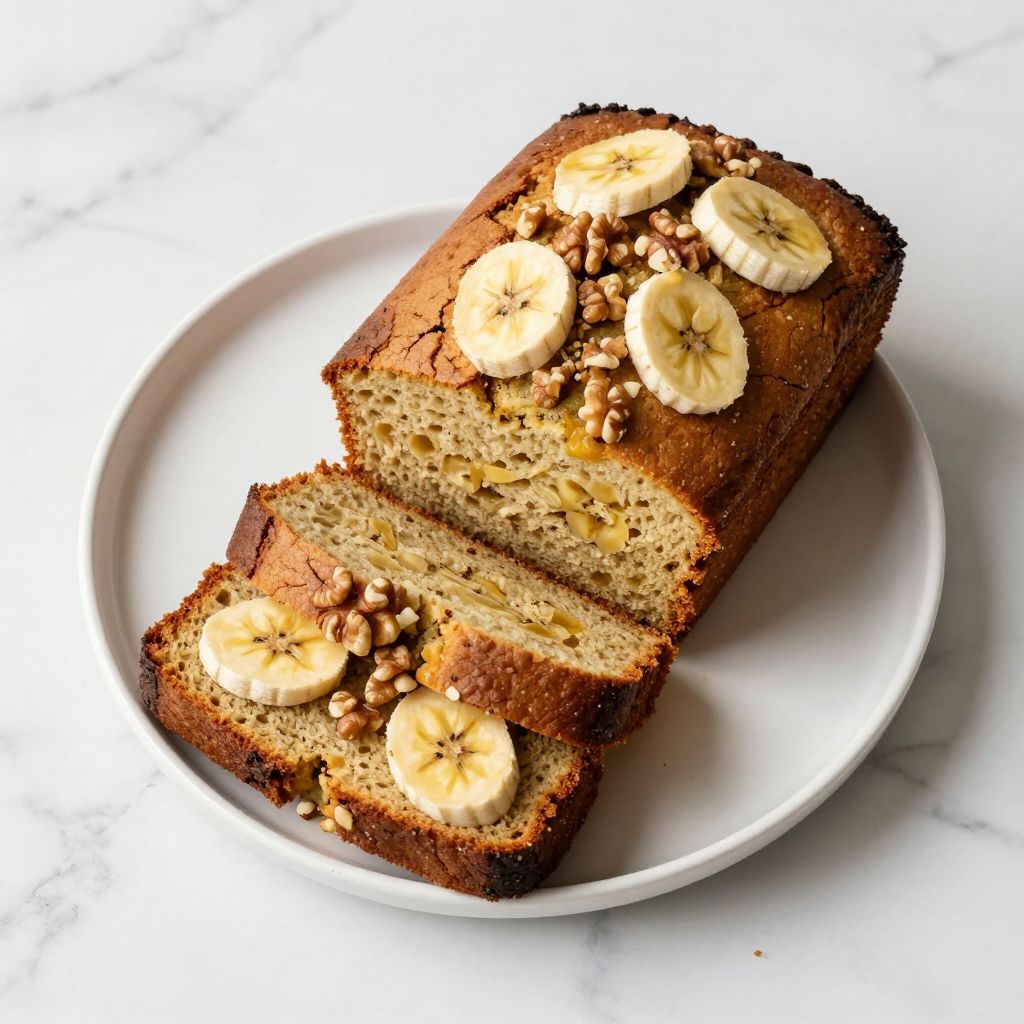
Banana Bread with Oil
Ingredients
Equipment
Method
- Preheat the oven to 350°F (175°C). Grease a 9x5 inch loaf pan with cooking spray and line the bottom with parchment paper.
- Peel and mash the bananas in a medium mixing bowl with a fork or potato masher until mostly smooth with a few small lumps remain (about 1 1/2 cups).
- In a large mixing bowl, whisk together the vegetable oil and granulated sugar until light and slightly pale, about 1 to 2 minutes.
- Add the eggs one at a time to the oil and sugar mixture, whisking well after each addition. Stir in the mashed bananas and vanilla extract until combined.
- In the medium mixing bowl, whisk together the all-purpose flour, baking soda, and salt until evenly distributed.
- Pour the dry ingredients into the wet ingredients and gently fold with a rubber spatula until just combined, about 10 to 15 strokes (do not overmix).
- Fold in the walnuts or chocolate chips if using. Pour the batter into the prepared loaf pan and smooth the top. Tap the pan on the counter to release air bubbles.
- Bake for 55 to 60 minutes, or until a toothpick inserted in the center comes out clean or with a few moist crumbs. The top should be golden brown.
- Allow the bread to cool in the pan for 10 minutes, then transfer to a wire rack and cool completely (about 30 minutes) before slicing.