
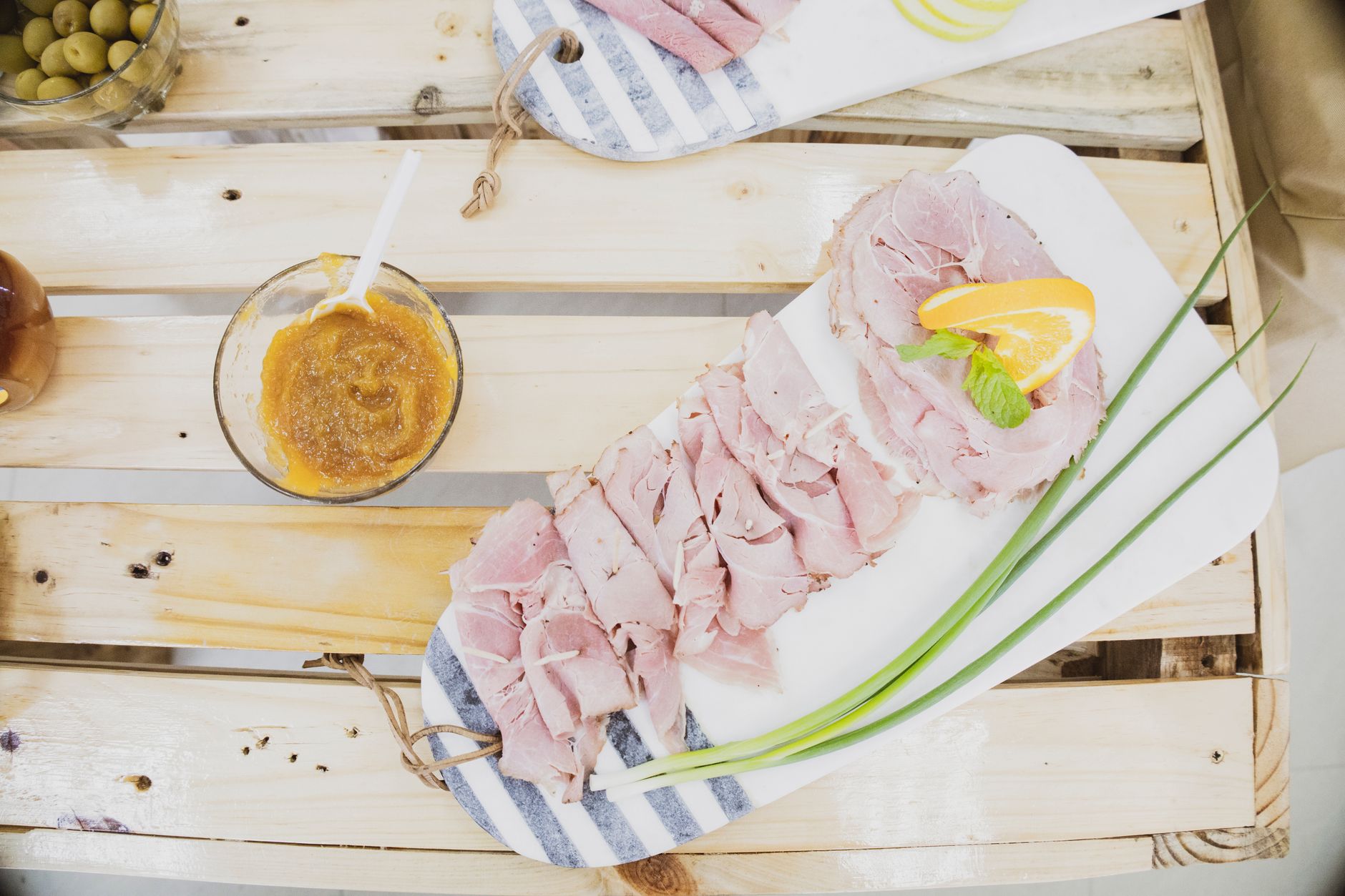
During pregnancy, maintaining a healthy diet is essential for both the mother and the developing baby. One common food item that often raises questions is lunch meat. Many pregnant women wonder why they are advised to avoid it. Understanding the reasons can help in making informed dietary choices during this critical time.
This article explores the concerns around eating lunch meat while pregnant, including the risks, safe alternatives, and how to handle and cook deli meats if one chooses to include them in their diet.
Why Can’t You Eat Lunch Meat When Pregnant?
The primary reason pregnant individuals are advised against consuming lunch meat is the risk of listeriosis, a serious infection caused by the Listeria bacteria. This infection poses severe health risks to both the mother and the fetus, including miscarriage, premature labor, and severe illness in newborns.
Additionally, lunch meats are often processed and can contain harmful additives and preservatives, raising other health concerns during pregnancy. Understanding these risks can help pregnant women make safer food choices.
Understanding Listeriosis and Its Risks
Listeriosis is a rare but potentially deadly infection caused by eating food contaminated with the Listeria monocytogenes bacterium. Pregnant women are about ten times more likely to contract listeriosis compared to the general population. The following sections detail the risks associated with this infection and its impact during pregnancy.
How Listeria Affects Pregnant Women
When a pregnant woman contracts listeriosis, it can lead to several serious complications, including:
- Miscarriage: Listeriosis in the early stages of pregnancy can result in miscarriage.
- Stillbirth: In some cases, the infection may lead to stillbirth in later pregnancy stages.
- Preterm Labor: Listeriosis can trigger preterm labor, leading to premature birth.
- Severe Illness in Newborns: Babies born to mothers with listeriosis may experience infections that affect their overall health and development.
Symptoms of Listeriosis
Symptoms of listeriosis can take several days to appear, making it challenging to trace back to specific foods. Common symptoms include:
- Fever and chills
- Muscle aches
- Nausea or diarrhea
- Headaches
- Stiff neck
If you suspect that you have been exposed to listeria or are experiencing these symptoms, it is crucial to contact a healthcare provider immediately.
Other Concerns Regarding Lunch Meat
Beyond the risk of listeriosis, there are several other reasons to be cautious about consuming lunch meats during pregnancy. These concerns include:
Preservatives and Additives
Many deli meats contain preservatives such as nitrites and nitrates, which may be linked to health issues. It’s best to minimize the intake of processed foods during pregnancy.
High Sodium Content
Lunch meats can be high in sodium, contributing to increased blood pressure and fluid retention, which can pose additional risks during pregnancy.
Safe Alternatives to Lunch Meat
While it’s generally recommended to avoid lunch meat due to health risks, there are safer alternatives that can provide similar flavors and textures without the associated dangers:
Cooked Meats
Consider using freshly cooked meats instead of deli meats. Grilled chicken, roasted turkey, or beef can be prepared and sliced for use in sandwiches or salads. Cooking meat to an internal temperature of 165°F (74°C) helps eliminate harmful bacteria.
Vegetarian Options
Plant-based deli slices made from ingredients like tofu, tempeh, or seitan offer a satisfying alternative without the risk of listeriosis. Look for products that use natural ingredients and are free of preservatives whenever possible.
Cheeses and Spreads
Incorporating cheeses, hummus, or avocado spread can add flavor to your sandwiches without relying on processed lunch meats. These options also contribute beneficial nutrients like calcium and healthy fats.
Handling and Cooking Lunch Meat Safely
If you choose to consume lunch meat during pregnancy, follow these guidelines to minimize the risks:
Purchase from Reputable Sources
Ensure that any pre-packaged or sliced deli meat comes from a reliable source, preferably from reputable brands that adhere to stringent safety standards.
Cook Before Eating
Heating deli meats until they are steaming hot (165°F or 74°C) can kill harmful bacteria, making it safer if you want to include lunch meats in your diet. This includes using a microwave, oven, or skillet to heat the meat.
Avoid Unopened Packaged Meats
Once opened, deli meats should be consumed within three to five days. Unopened packages may last longer but should still be used before the expiration date.
Tips for Meal Planning During Pregnancy
Prepare a Balanced Diet
Focus on incorporating various foods into your diet, ensuring you get enough fruits, vegetables, whole grains, proteins, and healthy fats. Use meal planning apps or templates to keep track of your nutritional intake.
Batch Cooking
Consider batch cooking meals that freeze well. Dishes like casseroles, soups, and stews can be prepared ahead of time and frozen, making mealtimes easier, especially in the late stages of pregnancy.
Snack Smartly
Healthy snacks can help curb cravings. Opt for fruits, raw vegetables with hummus, yogurt, or whole-grain crackers with cheese for nutritious options throughout the day.
Stay Hydrated
Drinking plenty of water is essential during pregnancy. Carry a water bottle with you to ensure you stay hydrated throughout the day, benefiting your health and that of your baby.
Consulting with Health Professionals
Always consult with your healthcare provider regarding your diet during pregnancy. They can provide tailored advice to meet your nutritional needs and assess any specific health concerns you may have.
Conclusion
Understanding the risks associated with eating lunch meat during pregnancy is essential for making informed food choices. While the potential for listeriosis and other health concerns largely advises against its consumption, there are safe alternatives and methods for including lunch meat in your diet if desired. Ultimately, maintaining a balanced diet rich in nutrients is key to supporting the health of both you and your baby.
Explore our other resources to help you through your pregnancy journey, including healthy meal ideas, tips for cooking safely, and planning nutritious snacks.