
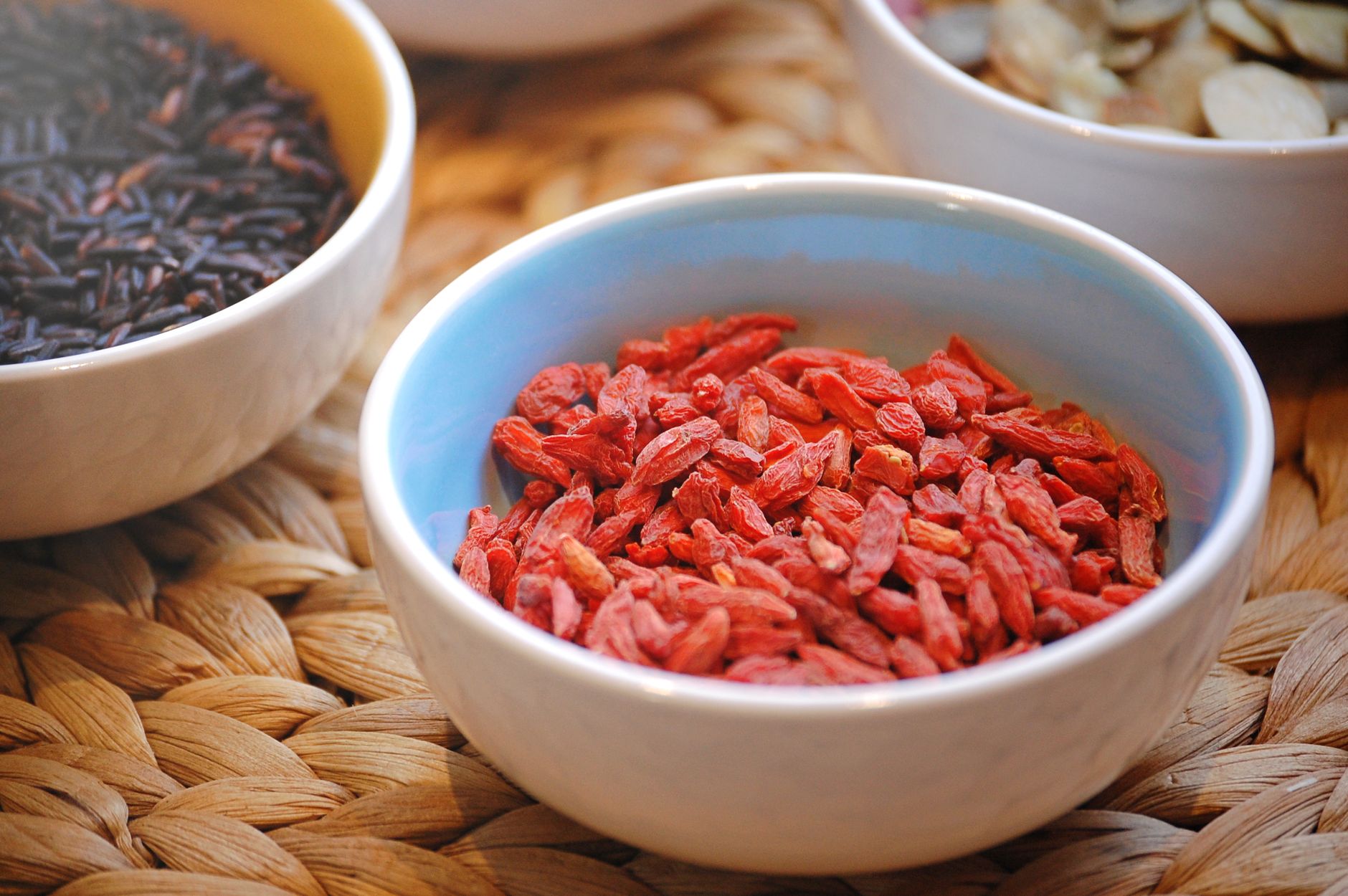
Goji berries, often hailed as a superfood, have gained immense popularity due to their impressive nutritional profile and vibrant red color. These tiny berries, native to Asia, have been used for centuries in traditional medicine, but they have only recently captured the attention of the Western world for their culinary versatility and health potential.
In this article, we will explore what goji berries are, their taste, nutritional benefits, various culinary uses, and how to incorporate them into your diet seamlessly. Whether you are looking to add a nutritional powerhouse to your meals or simply curious about this exotic ingredient, we’ve got you covered.
What Are Goji Berries?
Goji berries, also known as wolfberries, are small, red-orange fruits that grow on the Lycium barbarum plant, which is native to China and other parts of Asia. These berries have a sweet, slightly tangy flavor and are often dried before they are sold, resembling raisins in their dried form.
Rich in vitamins, minerals, and antioxidants, goji berries have been consumed in various forms, including dried, powdered, and as juice. They are commonly used in traditional Chinese medicine for their purported health benefits, which have begun to gain attention in modern nutrition.
Ingredients and Nutritional Profile
One of the reasons goji berries stand out is their impressive nutritional profile. Below is a breakdown of the key nutrients found in a 28-gram serving (approximately 1 ounce) of dried goji berries:
- Calories: 98
- Protein: 4.4 grams
- Fat: 0.1 grams
- Carbohydrates: 21 grams
- Fiber: 3 grams
- Sugar: 13 grams
- Vitamin A: 6,000 IU (about 120% of Daily Value)
- Vitamin C: 20% of Daily Value
- Iron: 15% of Daily Value
- Zinc: 10% of Daily Value
- Antioxidants: Including zeaxanthin and beta-carotene
Goji berries are particularly known for their high content of vitamin A, which supports vision and immune function, and vitamin C, known for its antioxidant properties. Their fiber content aids digestion and contributes to overall gut health. Additionally, goji berries contain various phytonutrients that may contribute to their health-promoting properties.
Taste and Texture
The flavor profile of goji berries can best be described as a balanced combination of sweetness and mild tartness. Fresh goji berries are juicy, while dried goji berries have a chewy, almost raisin-like texture. Their subtle taste allows them to blend well with a variety of dishes, providing both flavor and visual appeal.
Flavor Notes
When incorporating goji berries into your meals, consider their unique flavor. They can enhance both sweet and savory dishes. The sweetness pairs well with fruits, nuts, and grains, while the slight tang can brighten savory preparations such as salads and stir-fries.
Culinary Uses of Goji Berries
Goji berries are incredibly versatile and can be used in numerous culinary creations. Here are some popular ways to incorporate them into your meals:
1. Breakfast Additions
Add goji berries to your breakfast by including them in:
- Oatmeal: Stir them into cooked oats along with honey or maple syrup.
- Smoothies: Blend them with other fruits, yogurt, or milk for a nutrient-packed smoothie.
- Granola: Toss goji berries into homemade or store-bought granola for added flavor and nutrition.
2. Snacks and Trail Mix
Dried goji berries can be a great snack on their own or as part of a trail mix. Combine them with nuts, seeds, and other dried fruits for a wholesome energy-boosting snack.
3. Salads and Savory Dishes
Incorporate goji berries into salads for a burst of color and flavor. They can also be added to savory dishes:
- Stews: Throw a handful into vegetable or meat stews for added sweetness.
- Stir-Fry: Toss them into a vegetable stir-fry for a tangy accent.
4. Baked Goods
Add goji berries to baked goods like muffins, bread, or cookies for added texture and flavor. They can be substituted for raisins in recipes for a unique twist.
5. Beverages
Goji berries can be used to make herbal teas or infused in water for a refreshing drink. You can also add them to smoothies and juices for extra nutrients.
6. Sauces and Dips
Purée goji berries into sauces or dips. They can add a sweet note to savory sauces, making them perfect for drizzling over grilled meats or vegetables.
How to Prepare Goji Berries
Preparing goji berries is simple, but depending on whether you are using them dried or fresh, the methods can vary.
Using Dried Goji Berries
For dried goji berries, it’s recommended to rinse them under cool water to remove any dust or debris before consumption. If you desire a softer texture, soak dried berries in warm water for about 20-30 minutes, which will plump them up and make them easier to digest.
Using Fresh Goji Berries
If you have access to fresh goji berries, wash them thoroughly just before consumption. Fresh goji berries can be eaten as is or added to various dishes just like you would with raspberries or blueberries.
Storing Goji Berries
Storage is key to maintaining the freshness of goji berries. Here’s how to store them properly:
Dried Goji Berries
- Keep dried goji berries in an airtight container in a cool, dark place, such as a pantry.
- For extended freshness, dried berries can be stored in the refrigerator or freezer, which may prolong their shelf life.
- Always check for moisture, which can lead to spoilage or mold growth.
Fresh Goji Berries
- Fresh goji berries should be kept in the refrigerator in a breathable container to avoid moisture buildup.
- Consume fresh berries within a week for the best flavor and texture.
Potential Health Benefits of Goji Berries
Goji berries are often touted for their potential health benefits. While research is ongoing, here are some commonly noted advantages:
1. Antioxidant Properties
Goji berries are rich in antioxidants, particularly carotenoids, such as beta-carotene and zeaxanthin, which help to combat oxidative stress in the body.
2. Immune Support
The high vitamin C content can contribute to a strengthened immune system, potentially aiding in the prevention of illness.
3. Eye Health
Due to the presence of zeaxanthin, goji berries may be beneficial for eye health, particularly in terms of protecting against age-related macular degeneration.
4. Blood Sugar Regulation
Some studies suggest that goji berries may help stabilize blood sugar levels, making them a smart choice for individuals managing diabetes.
5. Skin Health
The antioxidants found in goji berries can also play a role in promoting healthy skin, potentially protecting against aging and sun damage.
Considerations and Precautions
While goji berries are generally considered safe for most people, it’s important to keep a few things in mind:
- Those on certain medications, such as blood thinners, should consult a healthcare professional before adding goji berries to their diet due to potential interactions.
- Allergic reactions, while rare, can occur; individuals who are allergic to other berries or plants in the nightshade family may want to exercise caution.
Common Misconceptions About Goji Berries
There are several myths and misconceptions surrounding goji berries, which may cloud their reputation:
- They are not a miracle food: While goji berries offer many nutritional benefits, they should be part of a balanced diet rather than relied upon as a sole source of nutrients.
- Culinary versatility: Some people believe goji berries can only be added to sweet dishes, but they can enhance savory meals as well.
Recipe Spotlight: Goji Berry Energy Bars
If you’re looking for a nutritious snack that incorporates goji berries, consider making homemade energy bars. These bars are perfect for a quick energy boost during the day.
Yield:
12 bars
Preparation Time:
10 minutes
Cooking Time:
15 minutes
Total Time:
25 minutes
Ingredients:
- 1 cup rolled oats
- 1/2 cup dried goji berries
- 1/4 cup honey or maple syrup
- 1/2 cup nut butter (almond or peanut)
- 1/4 cup chopped nuts (e.g., almonds, walnuts)
- 1/4 teaspoon salt
Essential Equipment:
- Baking dish (8×8 inches)
- Mixing bowl
- Spatula or spoon
Method:
- Preheat your oven to 350°F (175°C) and line the baking dish with parchment paper.
- In a mixing bowl, combine oats, dried goji berries, chopped nuts, and salt.
- In a small saucepan over low heat, melt the nut butter and honey (or maple syrup) until combined.
- Pour the melted mixture over the dry ingredients and mix until everything is well combined.
- Press the mixture evenly into the lined baking dish with your spatula or hands.
- Bake in the preheated oven for 15 minutes, or until lightly golden.
- Remove from the oven and let cool completely before cutting into bars.
Final Thoughts on Goji Berries
Goji berries are more than just a trendy ingredient; they offer a delightful flavor, unique texture, and a wealth of nutritional benefits. From enhancing your breakfast to serving as a snack or a complement to savory meals, there are countless ways to enjoy them. As you explore the culinary possibilities, consider how this versatile fruit can fit into your overall dietary pattern.
For those interested in exploring other nutritious ingredients, consider adding chia seeds to your meals. Learn about the benefits of chia seeds or try a delicious chia pudding recipe made with coconut milk for a new twist.