
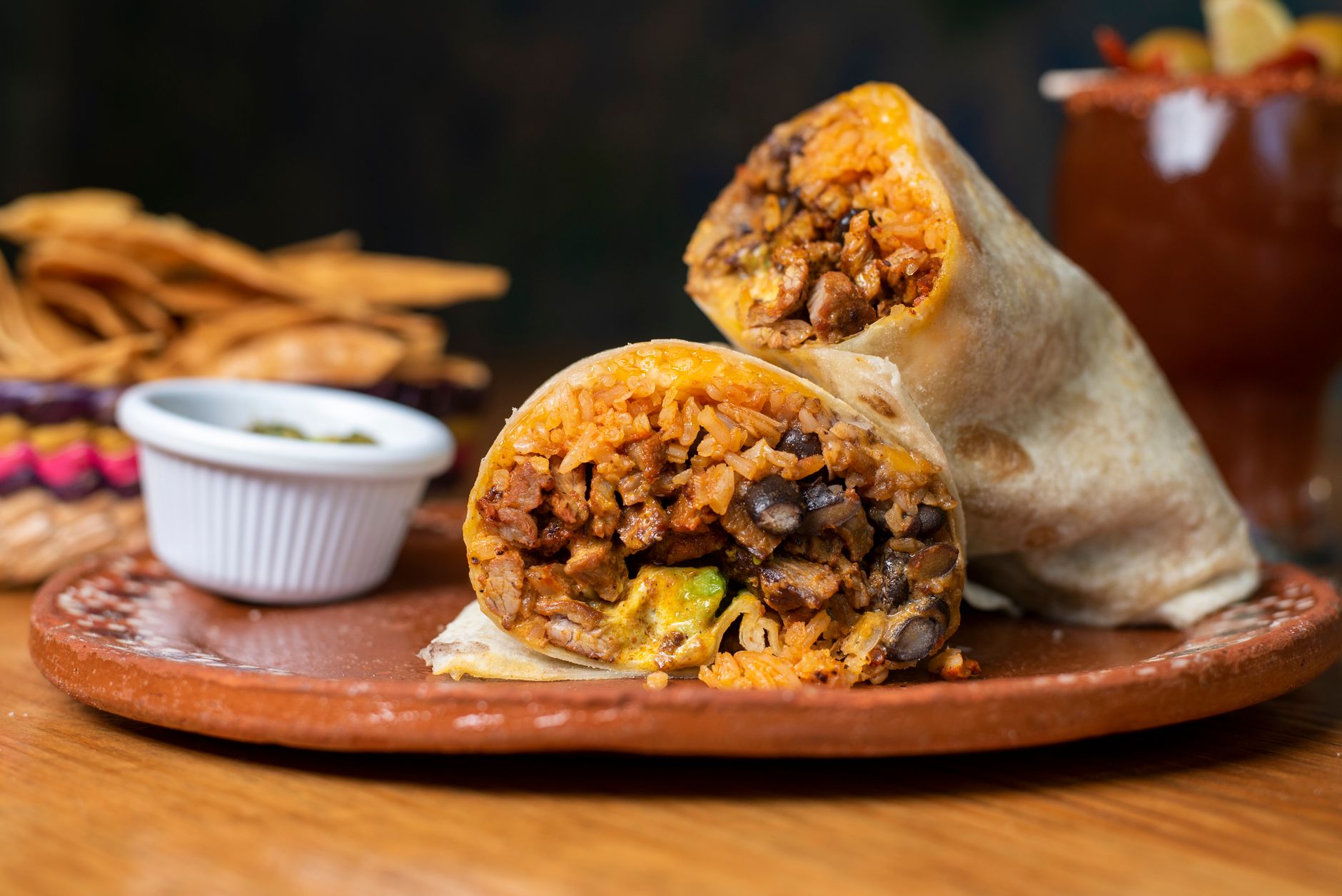
Chipotle Burrito Bowls have gained immense popularity for their customizable flavors and fresh ingredients. However, many people are curious about the nutritional value, particularly the calorie count, of these meals. This article delves into the calories in a Chipotle Burrito Bowl, breaking down each component to help you make informed choices.
Understanding the calorie content in your Chipotle Burrito Bowl can help you enjoy it more responsibly. This article provides a comprehensive view of calories from various ingredients, potential substitutions, and tips for creating a balanced bowl.
How Many Calories in Chipotle Burrito Bowl?
A standard Chipotle Burrito Bowl typically ranges from 500 to over 1,000 calories, depending on the ingredients chosen. This wide range highlights the significance of ingredient selection in managing calorie intake. Each component—from proteins to toppings—contributes differently to the total calorie count.
Breaking Down the Caloric Content
Let’s dissect a Chipotle Burrito Bowl by examining its various components: the base, protein, toppings, and extras. Each ingredient addition can significantly alter the total calorie count.
1. Base Ingredients
-
Rice:
- White Rice: Approximately 210 calories per serving (4 oz)
- Brown Rice: Approximately 210 calories per serving (4 oz)
-
Lettuce:
- Romaine Lettuce: Approximately 5 calories per serving (1 oz)
-
Beans:
- Black Beans: Approximately 130 calories per serving (4 oz)
- Pinto Beans: Approximately 130 calories per serving (4 oz)
2. Proteins
-
Chicken:
- Chicken: Approximately 230 calories per serving (4 oz)
-
Steak:
- Steak: Approximately 300 calories per serving (4 oz)
-
Pork:
- Barbacoa (Pork): Approximately 290 calories per serving (4 oz)
-
Tofu:
- Sofritas (Tofu): Approximately 150 calories per serving (4 oz)
-
Vegetarian Options:
- Veggie (Fajita Veggies): Approximately 20 calories per serving (1 oz)
3. Toppings
-
Cheese:
- Cheddar Cheese: Approximately 110 calories per serving (1 oz)
- Queso Blanco: Approximately 120 calories per serving (4 oz)
-
Sour Cream:
- Regular Sour Cream: Approximately 120 calories per serving (2 oz)
- Light Sour Cream: Approximately 90 calories per serving (2 oz)
-
Guacamole:
- Guacamole: Approximately 230 calories per serving (3 oz)
-
Salsas:
- Fresh Tomato Salsa: Approximately 25 calories per serving (3 oz)
- Tomatillo Green Chile Salsa: Approximately 15 calories per serving (3 oz)
- Tomatillo Red Chili Salsa: Approximately 30 calories per serving (3 oz)
- Corn Salsa: Approximately 80 calories per serving (3 oz)
4. Extras
-
Tortilla Chips:
- Chips: Approximately 570 calories per serving (4 oz)
Example Calorie Breakdown
To illustrate how the calorie count can vary significantly, here’s an example of a typical Chipotle Burrito Bowl build:
Example Bowl
- Base: Brown Rice (210 calories)
- Protein: Chicken (230 calories)
- Beans: Black Beans (130 calories)
- Toppings: Cheese (110 calories), Guacamole (230 calories), Tomato Salsa (25 calories)
The total calorie count for this example bowl would be:
| Ingredient | Calories |
|---|---|
| Brown Rice | 210 |
| Chicken | 230 |
| Black Beans | 130 |
| Cheddar Cheese | 110 |
| Guacamole | 230 |
| Tomato Salsa | 25 |
| Total | 935 |
This specific combination results in a total of approximately 935 calories. Each ingredient and its quantity can significantly influence the final calorie count.
Making Healthier Choices
For those looking to enjoy a Chipotle Burrito Bowl while managing calorie intake, consider these tips:
- Limit High-Calorie Ingredients: Use less guacamole or cheese, as they contribute a significant amount of calories. Consider opting for lighter options such as fresh salsas to enhance flavor without adding too many calories.
- Focus on Protein: Proteins like chicken and sofritas pack the most flavor without overwhelming the calories compared to heavier toppings.
- Consider Portion Sizes: Pay attention to how much of each ingredient you are adding. Request smaller portions where possible to help keep calories in check.
- Skip the Chips: If you’re looking to reduce calories, consider skipping tortilla chips, which can add hundreds of extra calories to your meal.
Substitutions and Variations
Sometimes, making simple substitutions can help cater to a specific dietary need or preference while also managing calorie intake:
Ingredient Substitutions
- Rice Alternatives: Swap rice for lettuce to make a salad bowl, dramatically reducing carbohydrate content and overall calories.
- Protein Alternatives: Choose sofritas or veggie fajitas, which typically contain fewer calories than meat options.
- Sauce Options: Instead of cheese, use salsa varieties for added flavor without a high calorie load.
Tips for Storing and Reheating Leftovers
If you find yourself with leftovers from your burrito bowl, proper storage and reheating can help maintain freshness:
Storage
- Transfer leftover burrito bowl components into airtight containers. Allow everything to cool before sealing to prevent condensation, which can lead to sogginess.
- Store separate components (i.e., protein, beans, toppings) to preserve their textures and flavors. Guacamole and sour cream are best stored separately as well.
Reheating
- For best results, reheat protein and beans in the microwave in short intervals, stirring periodically.
- For rice, add a splash of water in the container before heating to ensure it doesn’t dry out.
- Avoid reheating guacamole and cheese, as they may not maintain their quality after being heated.
Common Mistakes to Avoid
When building your Chipotle Burrito Bowl, it’s easy to make certain missteps that can lead to excessive calorie intake. Here are some common pitfalls:
- Loading up on high-calorie toppings without accounting for the calorie count can quickly add up.
- Choosing additional sides, like chips and queso, without realizing their caloric impacts on the overall meal.
- Failing to factor in portion sizes for each ingredient can lead to larger-than-expected calorie totals.
Conclusion
Understanding the caloric content of your Chipotle Burrito Bowl not only allows for smarter dietary choices but also enhances your meal experience. A well-constructed bowl can be both satisfying and mindful of your nutritional goals. With careful selections from each ingredient category, you can craft a delicious meal tailored to your calorie needs.
For a healthier twist, consider exploring how to freeze cooked chicken or check out recipes for taco bowls. These can be excellent options for meal-prepping alongside your beloved burrito bowl!