
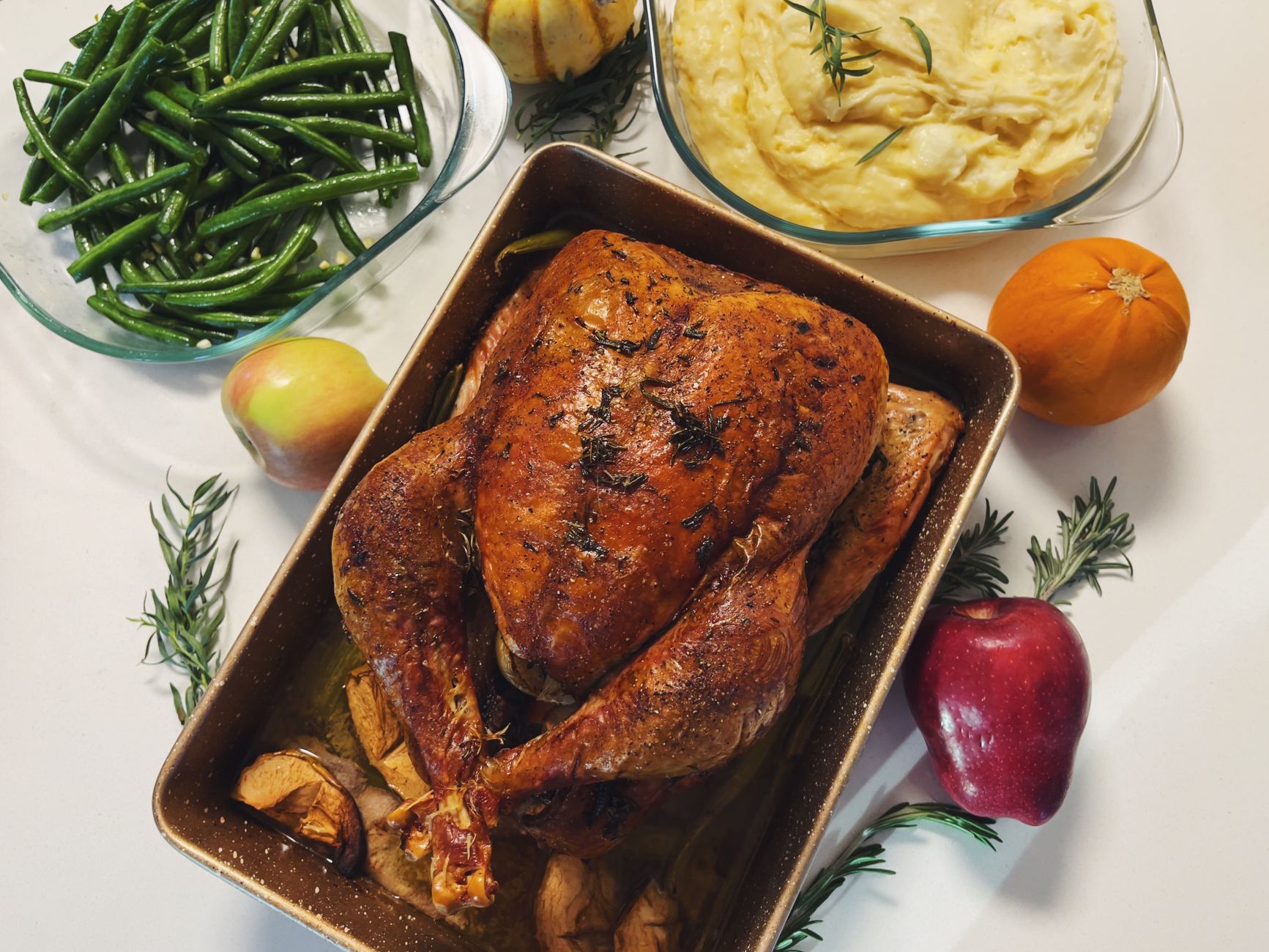
Understanding the correct temperature for turkey doneness is essential for ensuring that your turkey is safe to eat and deliciously juicy. Cooking a turkey to the right temperature not only prevents foodborne illnesses but also guarantees a delightful meal that family and friends will love.
In this article, we will cover the recommended internal temperatures for turkey, the best cooking methods, how to check doneness, and some tips for achieving the perfect turkey every time.
What Temp for Turkey to Be Done?
The ideal internal temperature for turkey, according to the USDA, is 165°F (74°C). This temperature ensures that harmful bacteria are eliminated, making your turkey safe for consumption. Always remember to check the temperature at the thickest part of the breast and the innermost part of the thigh and wing, where the meat is most likely to be undercooked.
Understanding Turkey Temperatures
When cooking turkey, there are specific milestones you should be aware of to achieve the best results. Here’s a breakdown of the temperatures you should know:
- 145°F (63°C): At this temperature, turkey begins to cook but is not safe to consume. Many chefs prefer to cook turkey at higher temperatures.
- 150°F (65.5°C): Considered the low end of safe for poultry. It’s crucial for the turkey to reach this temperature to start breaking down the proteins.
- 165°F (74°C): The minimum safe cooking temperature recommended by the USDA. At this temperature, turkey is safe to eat.
- 170°F (76.7°C): Ideal for turkey legs and thighs. These cuts have more connective tissue that needs to break down for tenderness.
Best Cooking Methods for Turkey
The method you choose to cook your turkey can significantly affect its flavor, moisture, and overall quality. Here are some of the most popular cooking methods:
Roasting
Roasting is perhaps the most traditional method of cooking turkey, giving it a beautiful, golden-brown skin. Here’s a brief overview of how to roast a turkey effectively:
- Preheat the oven to 325°F (160°C).
- Prepare the turkey by removing the giblets and patting it dry with paper towels.
- Season the turkey generously with salt, pepper, and your preferred herbs, both outside and inside the cavity.
- Place the turkey breast side up on a rack in a roasting pan.
- Roast the turkey until the internal temperature reaches at least 165°F (74°C), checking with a meat thermometer.
- Let the turkey rest for at least 20 minutes before carving to redistribute the juices.
Brining
Brining a turkey involves soaking it in a saltwater solution, which enhances flavor and moisture. Follow these steps for successful brining:
- Prepare a brine using water, salt, sugar, and your choice of spices.
- Submerge the turkey in the brine for at least 12 to 24 hours in the refrigerator.
- Rinse the turkey under cold water and pat it dry before roasting.
Deep-Frying
Deep-frying a turkey creates a crispy outer layer and succulent meat inside. However, it requires additional precautions for safety:
- Ensure your turkey is completely thawed to prevent oil splatter.
- Preheat your oil in a large fryer or pot to 350°F (175°C).
- Carefully lower the turkey into the oil, ensuring it is fully submerged.
- Cook the turkey for about 3 to 4 minutes per pound, aiming for an internal temperature of 165°F (74°C).
- Once done, remove the turkey and let it rest before carving.
Grilling
Grilling turkey adds a smoky flavor and is great for outdoor gatherings. Here’s how to do it:
- Preheat your grill to a medium-high heat.
- Season the turkey and place it on the grill, breast side up.
- Cover the grill and cook, rotating occasionally until the internal temperature reaches 165°F (74°C).
- Let the turkey sit for about 20 minutes before carving.
How to Check the Doneness of a Turkey
Using a meat thermometer is the most reliable way to check if your turkey is done. Here’s how to use it properly:
- Insert the thermometer into the thickest part of the breast, avoiding bone.
- Also check the innermost part of the thigh and the wing.
- Ensure the temperature reads at least 165°F (74°C) in all parts of the turkey before removing it from heat.
Tips for Perfect Turkey
To ensure a delicious turkey dinner, keep these helpful tips in mind:
- Thawing: Always thaw your turkey in the refrigerator, taking about 24 hours for every 5 pounds of turkey.
- Resting: After cooking, let your turkey rest for at least 20 minutes. This allows the juices to redistribute.
- Timing: Use a cooking time guide, but always prioritize internal temperature over cooking times.
- Gravy: Utilize the pan drippings to create homemade gravy that pairs perfectly with your turkey.
Common Mistakes When Cooking Turkey
Avoiding pitfalls when cooking turkey will help you serve a fantastic meal. Here are some common mistakes to watch out for:
- Not using a thermometer: Relying solely on time rather than internal temperature can lead to undercooked or overcooked meat.
- Skipping resting time: Cutting into a turkey right away can cause all the juices to spill out, leaving you with dry meat.
- Not seasoning: A lack of seasoning can result in bland turkey. Make sure to season thoroughly.
- Overstuffing: If you’re stuffing your turkey, avoid packing it too tightly. It should be loosely filled for even cooking.
Storage and Reheating Guidance
Proper storage and reheating can help you enjoy your turkey safely days after your meal:
- Storage: Cool leftover turkey to room temperature within two hours, then refrigerate in airtight containers for up to four days.
- Freezing: If storing for longer, freeze turkey pieces in airtight bags for up to three months.
- Reheating: Preheat oven to 325°F (160°C), place turkey in an oven-safe dish, cover with foil, and heat until warmed through, reaching a safe temperature of 165°F (74°C).
Conclusion
Cooking turkey to the right internal temperature is crucial for safety and flavor. Aim for 165°F (74°C) in the breast and thighs, and use a meat thermometer for accurate results. Whether roasting, frying, or grilling, following the right techniques ensures a moist, delicious turkey every time. Happy cooking!
Explore related recipes and tips on cooking turkey, including how to cook turkey per pound, and discover more about deep-frying a turkey by visiting our guides on how long to cook turkey per pound and how long to deep fry a turkey.