
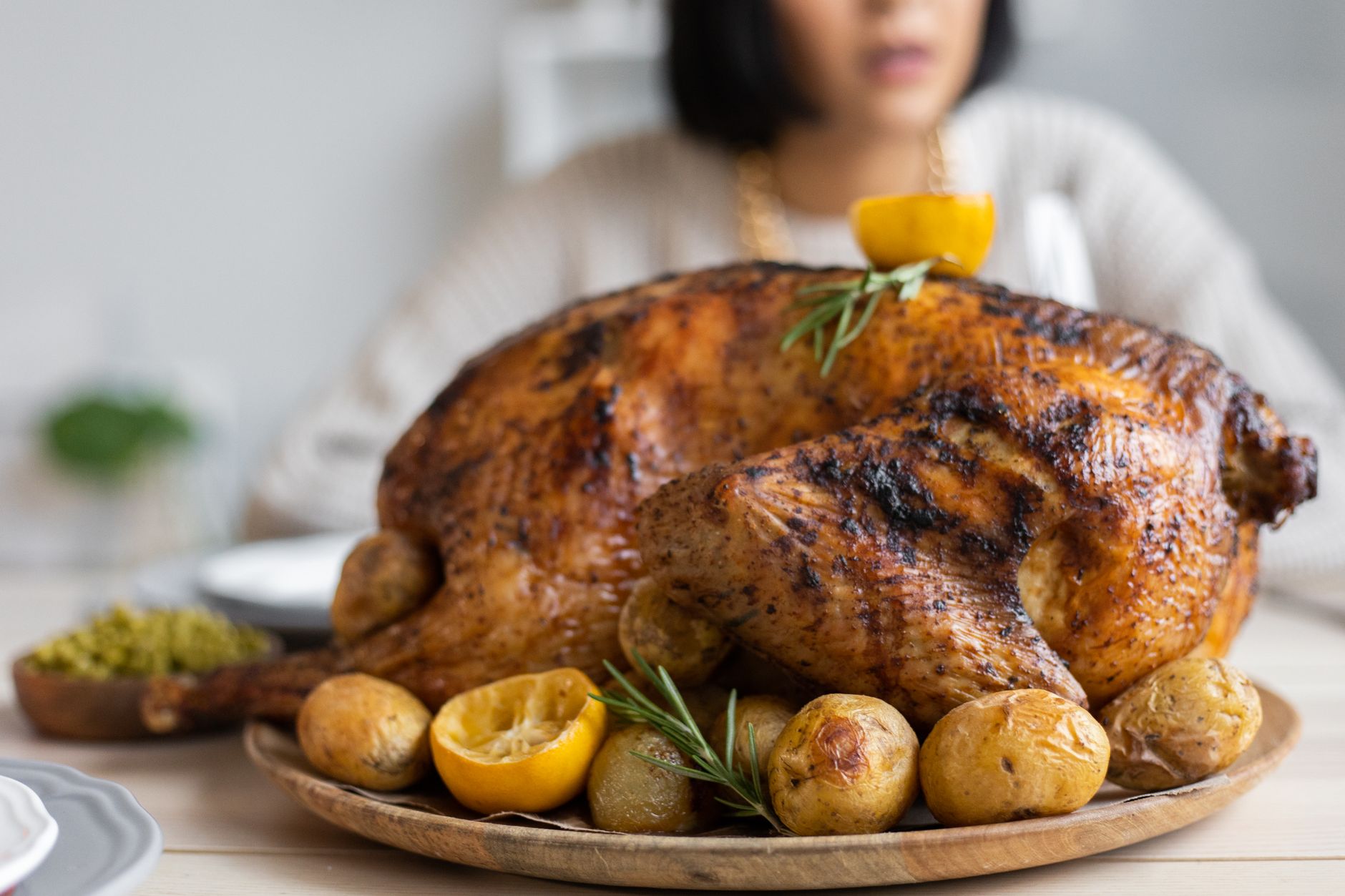
Cooking a turkey can be a daunting task, especially for those new to preparing holiday meals. A vital factor to consider is the cooking time, which varies based on the turkey’s weight. Knowing how long to cook turkey per pound can help ensure your bird is perfectly roasted and safe to eat.
This article outlines the various cooking times for turkey based on its weight, explores different cooking methods, and provides tips for achieving a succulent result that delights your family and friends.
How Long To Cook Turkey Per Pound?
The general guideline for cooking a turkey is to allocate approximately 13 to 15 minutes per pound at an oven temperature of 350°F (175°C) for an unstuffed turkey. For stuffed turkeys, aim for 15 to 17 minutes per pound. This ensures proper cooking while maintaining moisture and flavor.
Factors Influencing Cooking Time
While the above guidelines represent average cooking times, several factors can influence how long to cook a turkey per pound:
- Oven Temperature: Cooking at lower temperatures requires longer cooking times, while higher temperatures shorten the duration.
- Turkey Size: Larger turkeys often require more time to cook through than smaller turkeys.
- Stuffing: Stuffed turkeys take longer to cook due to the additional mass inside.
- Turkey Type: Fresh and frozen turkeys may have different cooking times depending on initial temperature.
- Resting Time: Allowing the turkey to rest after cooking affects the total time, as it continues to cook while resting.
Turkey Weight Cooking Times
Here are some detailed cooking times for turkeys, categorized by weight:
| Weight of Turkey (lbs) | Unstuffed Cooking Time (minutes) | Stuffed Cooking Time (minutes) |
|---|---|---|
| 8 to 12 | 2.75 to 3 hours | 3 to 3.5 hours |
| 12 to 14 | 3 to 3.75 hours | 3.5 to 4 hours |
| 14 to 18 | 3.75 to 4.25 hours | 4 to 4.25 hours |
| 18 to 20 | 4.25 to 4.5 hours | 4.25 to 4.75 hours |
| 20 to 24 | 4.5 to 5 hours | 4.75 to 5.25 hours |
Cooking Methods for Turkey
There are several methods for cooking turkey, each affecting the recommended cooking time. Here’s a look at some of the most popular methods:
1. Roasting
Roasting is the most common method for preparing turkey, especially during holiday seasons.
- Preheat the oven to 350°F (175°C).
- Prepare the turkey (remove giblets, rinse and pat dry, season or stuff if desired).
- Place the turkey in a roasting pan, breast side up.
- Roast according to the earlier table or check for doneness.
- Let the turkey rest for 20-30 minutes before carving.
2. Grilling
Grilling can impart a unique flavor to turkey, but it may require a bit more skill to maintain even heating.
- Preheat the grill to medium heat.
- Prepare the turkey as for roasting, including seasoning.
- Place the turkey on the grill, indirectly cooking by moving it to one side.
- Cook for 11 to 13 minutes per pound.
- Check for doneness and let it rest before carving.
3. Smoking
Smoking a turkey adds depth of flavor, yet it requires time and attention.
- Preheat the smoker to 225°F (107°C) to 250°F (121°C).
- Prepare the turkey, optionally brining it ahead of time.
- Smoke the turkey for approximately 30 minutes per pound.
- Monitor the internal temperature to ensure proper cooking.
Checking for Doneness
Regardless of the cooking method, checking for doneness is essential for food safety. The USDA recommends using a food thermometer to ensure the turkey reaches an internal temperature of:
- 165°F (74°C) in the thickest part of the breast and thigh.
- 165°F (74°C) if stuffed, in the center of the stuffing.
Insert the thermometer without touching bones for an accurate reading. If the temperature is lower than recommended, continue cooking and retest frequently.
Common Mistakes to Avoid
Even seasoned cooks can make mistakes when preparing a turkey. Below are some common pitfalls and how to avoid them:
- Not Thawing Properly: Ensure that frozen turkey is fully thawed in the refrigerator ahead of time (allow 24 hours of thawing time for every 4 to 5 pounds).
- Not Allowing the Turkey to Rest: Resting allows juices to redistribute, resulting in a more flavorful and moist bird.
- Overcooking: Use a food thermometer to prevent overcooking, which leads to dryness.
- Skipping the Brine: Brining can enhance moisture and flavor; consider lightly brining your turkey before cooking.
Substitutions and Variations
There are many ways to add flavor or tweak preparations with various substitutions:
- Seasonings: Fresh herbs such as rosemary, thyme, and sage can enhance the flavor profile; consider using citrus peels within the cavity.
- Fat: Instead of butter, try olive oil or a compound butter made with herbs for a twist.
- Cooking Liquid: Use broth or apple cider for a different flavor while basting.
Storage and Reheating Recommendations
Storing Thanksgiving turkey properly is vital for maintaining taste and safety:
- Refrigerate leftover turkey within two hours of cooking; wrap securely in foil or place in airtight containers.
- Use within three to four days for optimal flavor and safety.
- If freezing, store for up to six months. Slice or portion the turkey before freezing for easier defrosting.
- To reheat, use an oven at 325°F (163°C) or a microwave until the internal temperature reaches 165°F (74°C).
Serving Suggestions
Once perfectly cooked, turkey can be served in several ways:
- Serve with classic sides such as stuffing, mashed potatoes, and cranberry sauce.
- Slice and use in sandwiches, tacos, or salads.
- Combine leftover meat in casseroles, or add to soups for a hearty meal.
Make-Ahead Tips
Planning ahead can relieve stress on the day of cooking. Here are some tips:
- Prepare brines, marinades, or rubs a day in advance.
- Pre-chop vegetables for stuffing or base sides.
- Set the table the day before for a smoother experience.
- Have a cooking schedule for all dishes, including turkey, to stay organized.
In summary, knowing how long to cook turkey per pound is a cornerstone to mastering the perfect turkey. With careful attention to cooking times, methods, and tips, your turkey will triumph as the star of any gathering.
For additional flavor enhancements, consider these recipes to elevate your turkey preparation: a turkey brine recipe for smoking or a turkey injection recipe for added moisture and taste. Happy cooking!