
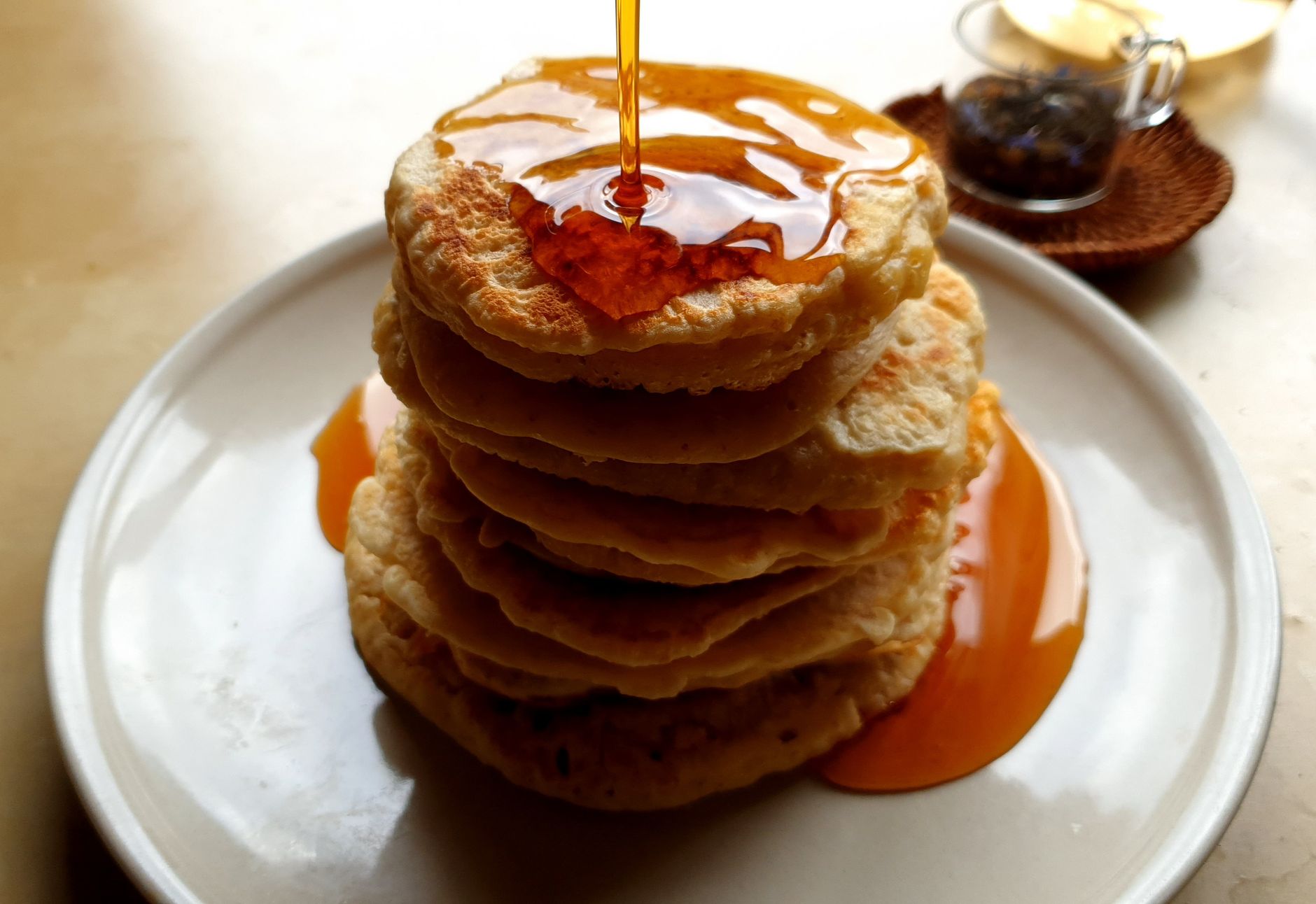
Pancakes are a beloved breakfast food enjoyed by people all over the world. Their fluffy texture and versatile nature make them a staple in many cultures. But have you ever wondered about their origins? Understanding where pancakes originate from can enhance your appreciation for this delicious dish and help you explore various regional variations.
The history of pancakes is as layered as the dish itself. From ancient civilizations to contemporary kitchens, pancakes have a rich lineage that reflects the evolution of culinary practices over thousands of years.
Where Do Pancakes Originate From?
Pancakes can trace their roots back to ancient times, with evidence of similar foods appearing in various cultures. The earliest known pancake-like food dates back to the Stone Age, around 30,000 years ago, when paleolithic humans made a simple mixture of ground grains and water, cooking it over hot stones.
As civilizations developed, so did the methods and ingredients used to create pancakes. The Ancient Greeks and Romans enjoyed flatbreads that resembled pancakes, made from wheat flour mixed with water and sometimes flavored with honey and other ingredients.
Pancakes in Ancient Civilizations
The concept of pancake-like foods is not unique to any single culture. Various civilizations produced their own variations using locally available ingredients. Here are some notable examples:
- Ancient Greece: Greeks called their pancakes “tagines” or “tagenites,” made from wheat flour, oil, honey, and curd, often served with various toppings.
- Roman Empire: The Romans enjoyed “fain” or “alia,” a type of pancake made from spelt flour and baked on hot stones, often flavored with wine and herbs.
- Medieval Europe: Pancakes became popular in various European countries, often making use of available grains and dairy. Recipes began to appear in cookbooks as the culinary world evolved.
Pancakes Through the Ages
As societies progressed, pancake recipes continued to adapt and evolve. During the Middle Ages, pancakes became a staple in the diets of many Europeans, served with sweet or savory toppings depending on seasonal availability.
In the New World, European settlers brought their pancake recipes along, which gradually morphed into the American pancake we enjoy today. Cornmeal pancakes became popular among Native Americans and were later embraced by settlers.
The American Pancake Revolution
In America, pancakes gained immense popularity, especially during the 19th and 20th centuries. Recipes began to diversify, influenced by regional ingredients and culinary practices. The rise of breakfast culture in America saw the introduction of baking powder as a leavening agent, leading to the fluffy pancakes we know today.
Pancakes were often served with fruits, syrups, or even savory meats as toppings, reflecting the heartiness of American breakfasts. The pancake became a quintessential breakfast item, with diners and establishments specializing in serving them.
Various Types of Pancakes Around the World
Pancakes have developed into numerous regional varieties, each with its unique ingredients, flavors, and preparation methods. Here are a few notable types of pancakes from different cultures:
Thin Pancakes
- Crepes (France): Thin, savory or sweet pancakes made from flour, eggs, and milk, often filled with fruits, chocolate, or cheese.
- Blini (Russia): Small, yeasted pancakes traditionally made with buckwheat flour and served with caviar or sour cream.
Thicker Pancakes
- American Pancakes: Fluffy and thick, made with baking powder, served with maple syrup or fruity toppings.
- Dutch Baby (Germany): A large pancake that puffs in a hot oven, typically served with powdered sugar and fresh lemon juice.
Unique Variations
- Chilla (India): A savory pancake made from gram flour and spices, often served with chutney.
- Pikelets (Australia): Small, thick pancakes similar to griddle cakes, topped with jam and cream.
Cultural Significance of Pancakes
Pancakes have not only served as a source of sustenance but have also held cultural significance in many societies. In some cultures, pancakes are associated with specific festivals or traditions:
- Mardi Gras: In many Western cultures, pancakes are eaten on Shrove Tuesday as a way to use up rich ingredients before Lent.
- Chandeleur: In France, Candlemas (February 2) is celebrated with crepes, symbolizing prosperity and the harvest.
- Spring Festivals: Various cultures celebrate the arrival of spring with pancake festivals, symbolizing renewal and abundance.
Modern Pancake Trends
In recent years, pancakes have transformed beyond traditional boundaries, embracing innovation and diverse ingredients. From matcha pancakes to vegan alternatives, modern culinary creativity has redefined how we think of pancakes.
Food trends such as “pancake art” showcase the artistic potential of pancakes, where chefs create intricate designs and shapes during cooking. Additionally, gluten-free and protein-packed pancake mixes have made pancakes accessible to those with dietary restrictions or preferences.
How to Make Classic Pancakes at Home
Ready to whip up a batch of pancakes? Making pancakes at home is simple and allows for creativity in flavor and toppings. Here’s a basic recipe to get you started.
Ingredients
- 1 cup all-purpose flour
- 2 tablespoons sugar
- 1 teaspoon baking powder
- 1 teaspoon baking soda
- 1/2 teaspoon salt
- 1 cup buttermilk (or substitute with milk and a splash of vinegar)
- 1 large egg
- 2 tablespoons melted butter (plus more for the skillet)
Essential Equipment
- Mixing bowls
- Whisk or fork
- Measuring cups and spoons
- Non-stick skillet or griddle
- Spatula
Method
- In a large mixing bowl, combine flour, sugar, baking powder, baking soda, and salt.
- In another bowl, whisk together buttermilk, egg, and melted butter until smooth.
- Pour the wet ingredients into the dry ingredients, stirring gently until just combined. Some lumps are fine; do not overmix.
- Heat a skillet or griddle over medium heat and add a small amount of butter. Let it melt and coat the surface.
- Pour 1/4 cup of pancake batter onto the skillet. Cook until bubbles form on the surface, about 2-3 minutes, then flip and cook for another 1-2 minutes until golden brown.
- Repeat with remaining batter, adding more butter to the skillet as needed.
- Serve warm with your choice of toppings such as maple syrup, fresh berries, or whipped cream.
Tips for Perfect Pancakes
While making pancakes is straightforward, a few tips can elevate your results:
- Ensure your baking powder and baking soda are fresh for the best rise.
- Do not overmix the batter; a few lumps are okay to keep pancakes light and fluffy.
- Adjust heat as necessary—if pancakes are browning too quickly, reduce the temperature.
- Keep cooked pancakes warm in a low oven (about 200°F) while finishing the batch.
- Experiment with flavors by adding vanilla extract, cinnamon, or even chocolate chips to the batter.
Common Mistakes and Troubleshooting
Even seasoned cooks can encounter mishaps when making pancakes. Here are some common mistakes and solutions:
- Pancakes are tough: This usually arises from overmixing the batter, which develops gluten. Handle the batter gently.
- Pancakes are flat: Ensure your leavening agents are fresh; otherwise, they won’t rise properly.
- Burnt on the outside, raw on the inside: This indicates the heat is too high. Reduce the temperature and cook longer.
Storage and Reheating
If you have leftover pancakes, store them in an airtight container in the refrigerator for up to three days. For longer storage, consider freezing them:
- Let pancakes cool completely on a wire rack.
- Stack pancakes with pieces of parchment paper in between to prevent sticking.
- Wrap tightly in plastic wrap or aluminum foil and place in a freezer-safe bag or container.
To reheat, thaw pancakes overnight in the refrigerator and warm them in a toaster, skillet, or microwave until heated through.
Final Thoughts
Pancakes are more than just a delicious breakfast; they represent a fascinating culinary history that spans cultures and centuries. Understanding their origins can spark a deeper appreciation for this beloved dish. The next time you whip up a batch, reflect on the culinary traditions that brought pancakes to your table.
For a delicious three-ingredient pancake recipe, check out our easy pancake recipe or if you’re in the mood for something diner-style, try our IHop pancake recipe to bring a taste of classic American breakfasts home.