
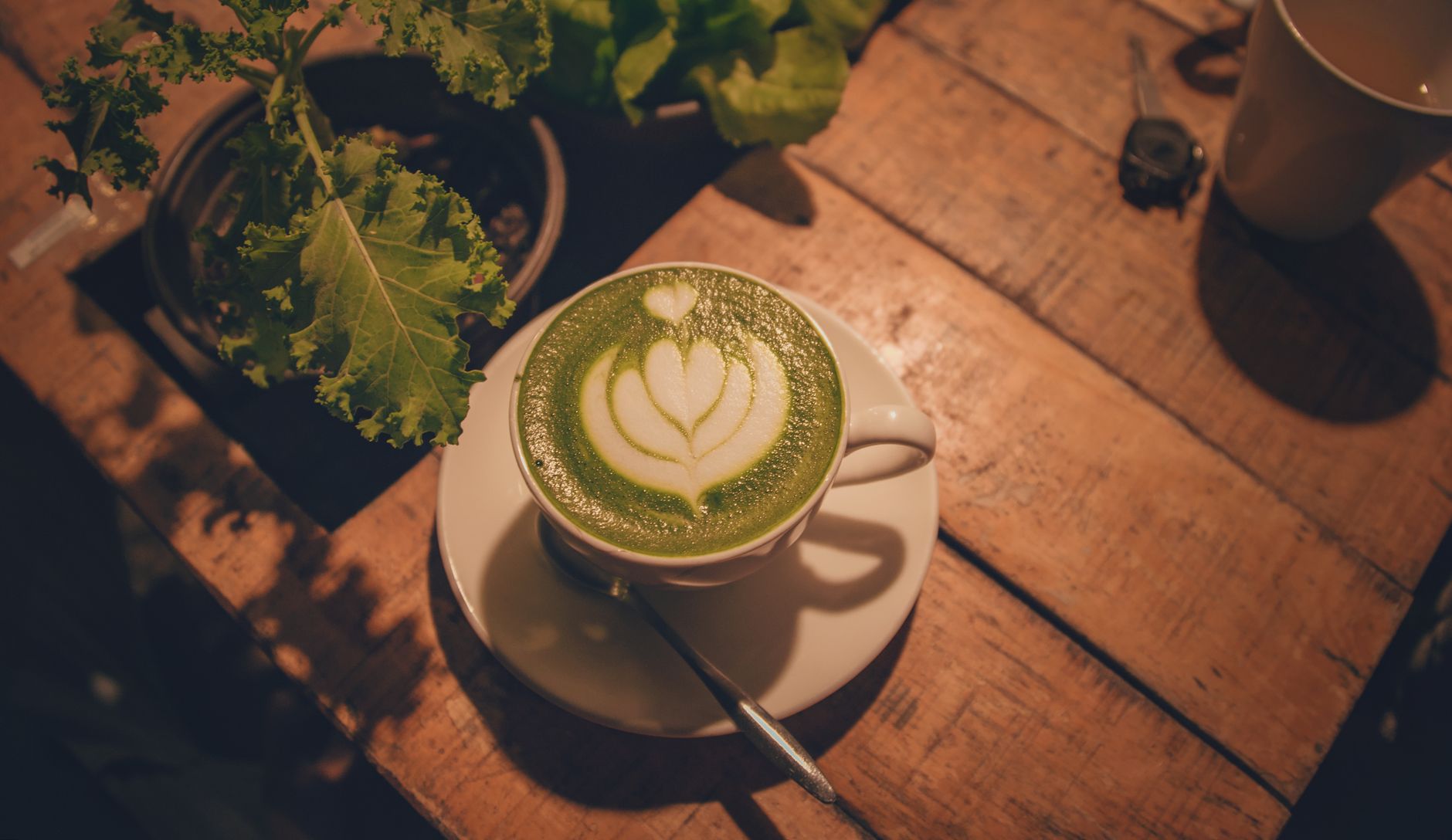
Matcha, a finely ground powder made from specially grown green tea leaves, has surged in popularity due to its vibrant color and distinct flavor. Beyond its aesthetic appeal, many are curious about its health benefits, nutritional content, and how it can fit into a balanced diet.
This article delves into whether matcha is good for you, highlighting its nutrition facts, potential health considerations, and various ways to incorporate it into your daily routine.
Is Matcha Good for You?
Yes, matcha can be good for you, as it is rich in antioxidants, vitamins, and minerals. It has been associated with various health benefits, including improved metabolism, enhanced mood, and cognitive function. However, like any food, moderation and proper dosage are key to reaping its benefits.
What Is Matcha?
Matcha is a type of powdered green tea, originating from Japan, that is made from shade-grown tea leaves. Unlike traditional tea, where leaves are steeped and then discarded, matcha allows you to consume the whole leaf in powdered form. This not only enhances the flavor profile but also maximizes the potential health benefits.
The process of making matcha involves hand-picking high-quality tea leaves, steaming them to prevent oxidation, drying, and then grinding them into a fine powder. This meticulous process contributes to matcha’s distinctive taste and nutritional richness.
Nutritional Content of Matcha
One of the most appealing aspects of matcha is its impressive nutritional profile. Here’s a breakdown of what you can expect from a standard serving (about 1 gram) of matcha:
- Calories: 3
- Protein: 0.3 g
- Fat: 0.1 g
- Carbohydrates: 0.7 g
- Fiber: 0.2 g
- Caffeine: 35 mg
- Vitamin A: 6% of the Daily Value (DV)
- Vitamin C: 2% of the DV
- Calcium: 1% of the DV
- Iron: 2% of the DV
Matcha is notable for its high antioxidant content, particularly catechins, which are believed to provide a range of health benefits. The combination of caffeine and L-theanine, an amino acid found in matcha, may promote alertness and focus while mitigating the jittery effects commonly associated with caffeine from coffee.
Health Benefits of Matcha
Numerous studies and anecdotal evidence suggest several potential health benefits of incorporating matcha into your diet. Here are some of the most commonly cited advantages:
Rich in Antioxidants
Matcha contains a remarkably high concentration of antioxidants, specifically catechins, which may help combat oxidative stress and reduce the risk of chronic diseases. The most abundant catechin in matcha, epigallocatechin gallate (EGCG), has been studied for its potential anti-inflammatory and anti-cancer properties.
Boosts Metabolism
Some research indicates that matcha may help enhance metabolic rate and aid in fat burning. It may increase the rate at which your body burns calories, making it a popular choice among those looking to lose weight or maintain a healthy weight.
Enhances Cognitive Function
The combination of L-theanine and caffeine in matcha can lead to improved cognitive function. L-theanine promotes relaxation and focus, potentially reducing anxiety and promoting better performance during tasks requiring concentration.
Supports Heart Health
Regular consumption of green tea, including matcha, may contribute to cardiovascular health by lowering levels of LDL (bad cholesterol) and reducing blood pressure. The antioxidants in matcha may also help improve blood vessel function.
May Improve Mood
Some studies suggest that the L-theanine in matcha can increase serotonin and dopamine levels, which may enhance calmness and happiness. Many people drink matcha tea not only for its physical benefits but also for its mental health advantages.
How to Incorporate Matcha into Your Diet
There are countless ways to enjoy matcha beyond just traditional tea preparation. Here are some popular methods to include matcha in your daily routine:
Matcha Tea
The classic way to enjoy matcha is as tea. Here’s a simple method to prepare it:
- Ingredients: 1 teaspoon matcha powder, 2 ounces hot water (not boiling), sweetener (optional).
- Equipment: A whisk or a frother, a bowl, and a strainer (optional).
- In a bowl, add the matcha powder.
- Pour in hot water (about 175°F) and whisk until it becomes a smooth and frothy mixture.
- Add sweetener if desired. Enjoy your matcha tea.
Matcha Lattes
Matcha lattes are a delightful alternative to coffee-based drinks. To make one:
- Ingredients: 1 teaspoon matcha powder, 1 cup milk (dairy or plant-based), sweetener (optional).
- Prepare the matcha tea as described above.
- Heat and froth your milk of choice.
- Combine the matcha with the milk, whisking or stirring to combine.
- Add sweetener as desired and enjoy.
Matcha Smoothies
Combine matcha with your favorite fruits and vegetables for a nutritious smoothie. Here’s a basic recipe:
- Ingredients: 1 teaspoon matcha powder, 1 banana, 1 cup spinach, 1 cup almond milk, and ice.
- In a blender, combine all the ingredients and blend until smooth.
- Serve chilled for a refreshing beverage.
Baking with Matcha
Matcha adds a unique flavor and vibrant color to baked goods. You can use it in cakes, cookies, or even bread. Here’s how you might use it in a basic cookie recipe:
- Ingredients: 2 tablespoons matcha powder, 1 cup flour, 1/2 cup sugar, 1/2 cup butter, 1 egg, and 1/2 teaspoon baking powder.
- Preheat the oven to 350°F (175°C).
- Cream the butter and sugar together until fluffy.
- Add in the egg and mix well.
- In a separate bowl, combine the flour, matcha powder, and baking powder.
- Gradually mix the dry ingredients into the wet ingredients until just combined.
- Drop spoonfuls onto a baking sheet and bake for 10-12 minutes or until golden.
Things to Consider When Consuming Matcha
While matcha offers various health benefits, it is essential to keep a few considerations in mind:
Caffeine Content
Matcha does contain caffeine, approximately 35 mg per gram. Those sensitive to caffeine should be mindful of their intake, as too much caffeine can lead to jitters, insomnia, or increased heart rate.
Quality of Matcha
Not all matcha is created equal. The quality can vary significantly, affecting flavor and health benefits. Higher-quality matcha tends to be vibrant green and comes from younger leaves. Look for organic, ceremonial-grade matcha for the best experience and health advantages.
Heavy Metal Contamination
Due to the growing environment, some matcha can accumulate heavy metals and pesticides. Always purchase matcha from reputable brands that have testing for contaminants, ensuring you’re consuming a safe product.
Moderation is Key
As with any food, moderation is essential. Excessive matcha consumption may lead to adverse effects due to its caffeine content and potential heavy metal exposure. It’s generally recommended to limit intake to 1-2 servings per day.
Common Mistakes When Using Matcha
Here are some common mistakes to avoid when preparing matcha:
- Not using the right water temperature: Boiling water can make matcha taste bitter. Aim for 175°F for optimal flavor.
- Using poor-quality matcha: Low-quality matcha can taste grassy or bitter. Investing in high-quality matcha pays off.
- Not sifting the powder: Sifting matcha before mixing helps prevent clumping and ensures a smooth drink.
- Adding too much matcha: Too much can result in an overpowering and bitter taste instead of a balanced flavor.
Storing Matcha
To maintain the freshness and flavor of matcha, proper storage is crucial:
- Store in an airtight container to minimize air exposure.
- Keep it in a cool, dark, and dry place to prevent oxidation.
- For longer storage, refrigeration can help, but ensure it is sealed to prevent moisture absorption.
Conclusion
Incorporating matcha into your diet can offer numerous health benefits, abundant nutrients, and creative culinary possibilities. Understanding its nutritional profile, health benefits, and how to properly use it can enhance your relationship with this vibrant green tea powder.
For those curious about exciting recipes, don’t forget to explore our guide on matcha tiramisu or try your hand at a refreshing strawberry matcha drink.