
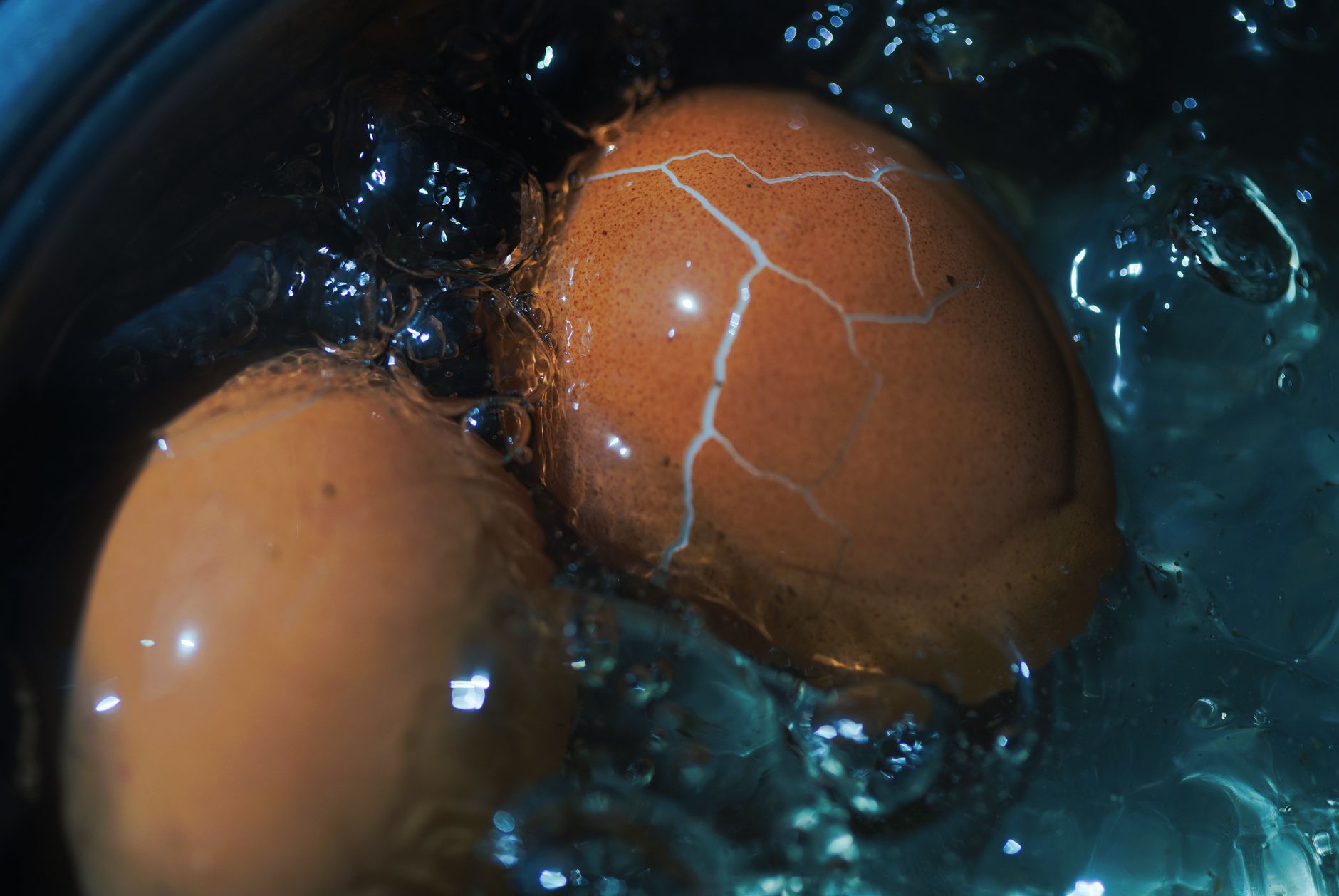
Hard boiled eggs are a versatile protein option that can enhance salads, sandwiches, and snacks. However, knowing how to properly store them is crucial, especially when they have been sitting out. Many people wonder, how long can hard boiled eggs be left out safely?
The general guideline provided by food safety experts is that hard boiled eggs should not be left out at room temperature for more than two hours. Beyond this time frame, they may pose a risk for foodborne illnesses due to bacterial growth. Understanding the safe handling and storage of hard boiled eggs can help you avoid any food safety concerns.
How Long Can Hard Boiled Eggs Be Left Out?
Hard boiled eggs can be safely left out at room temperature for about two hours. If the temperature exceeds 90°F (32°C), as it may during warm weather, you should reduce this time to just one hour. After these time frames, it’s advisable to discard the eggs to prevent foodborne illness.
Understanding Food Safety with Hard Boiled Eggs
Hard boiled eggs, like other perishable foods, are susceptible to bacterial growth when not stored properly. The primary concern with eggs is the risk of Salmonella, a harmful bacteria that can cause severe gastrointestinal illness. Keeping hard boiled eggs at safe temperatures is essential in minimizing this risk.
The Impact of Temperature
Food safety guidelines specify that foods should be kept below 40°F (4°C) or above 140°F (60°C) to inhibit bacterial growth. Here’s how temperature impacts hard boiled eggs:
- Below 40°F (4°C): Refrigeration slows bacterial growth significantly, making it safe to store hard boiled eggs for longer periods.
- Room Temperature (40°F – 90°F or 4°C – 32°C): The two-hour rule applies. Once this time elapses, harmful bacteria can multiply quickly.
- Above 90°F (32°C): In warmer conditions, the window shrinks to one hour. Plan accordingly during picnics and gatherings.
Storing Hard Boiled Eggs After Cooking
Proper storage techniques are crucial not only after cooking but also during serving and consumption. Here’s how to ensure your hard boiled eggs stay safe and fresh:
Cooling
After boiling your eggs, it’s essential to cool them down properly to prevent them from sweating, which can encourage bacterial growth. Here’s a step-by-step guide:
- After boiling, immediately transfer the eggs to an ice water bath.
- Let them sit in the ice water for about 10-15 minutes until completely cooled.
- Once cool, drain the water and gently pat the eggs dry with a clean towel.
Refrigeration
Once cooled, if you’re not consuming the hard boiled eggs right away, refrigerate them. Here are some tips:
- Store hard boiled eggs in their shells to retain moisture and flavor.
- If peeling the eggs, place them in an airtight container to prevent them from absorbing odors from other foods.
- Label and date the container if necessary to keep track of how long they’ve been stored.
Serving Tips
When serving hard boiled eggs at parties or events, consider the following strategies to keep them safe:
- Use ice packs or a cooler to keep them chilled if you’ll be outdoors.
- Serve in smaller quantities to minimize the time they’re exposed to room temperature.
- When in doubt, keep track of how long they have been out and plan accordingly.
Signs of Spoilage in Hard Boiled Eggs
Even if you haven’t exceeded the two-hour rule, it’s essential to know the signs of spoilage. Here’s what to look out for:
Visual Inspection
Check the eggs for any cracks or changes in color. If the eggshell appears slimy or there is any discoloration, it’s best to discard them.
Smell Test
If there’s a foul or unusual odor upon cracking the egg, it is best not to consume it. Fresh hard boiled eggs have a neutral scent.
Texture and Taste
On rare occasions, the texture may change. If the egg white appears overly rubbery or the yolk is crumbly, it could indicate spoilage. In this case, it’s safer to err on the side of caution.
Can You Eat Hard Boiled Eggs After the Two-Hour Mark?
While it’s technically possible to eat hard boiled eggs left out longer than two hours, the risk of foodborne illness increases significantly. If there is any doubt about their safety, it’s best to discard them, especially if you’re serving them to others.
Best Practices for Hard Boiled Egg Storage
To minimize the risk of spoilage and ensure that hard boiled eggs remain safe to eat, consider following these best practices:
Batch Cooking
Batch cooking hard boiled eggs is an excellent way to have a quick protein source ready. However, remember to:
- Cook the right amount you will consume within the recommended storage limits.
- Cool and refrigerate any excess right away for future snacking.
Use a Food Thermometer
To ascertain safety, especially when boiling eggs, use a food thermometer. The center of the egg should reach at least 160°F (71°C) to be considered safe.
Educate Family and Friends
Educating those who share your kitchen about food safety practices can minimize risks and ensure everyone understands the importance of proper egg storage.
Reheating Hard Boiled Eggs
If you have refrigerated hard boiled eggs, you may want to reheat them for certain recipes or personal preference. Here’s how to do it safely:
Microwave Method
- Peel the eggs and place them in a microwave-safe container.
- Add a few tablespoons of water to the container.
- Cover with a microwave-safe lid or plate to prevent splattering.
- Heat on medium power for about 30 seconds. Check to see if further heating is required.
Stovetop Method
- Fill a pot with water and bring it to a simmer.
- Carefully add the cold hard boiled eggs to the pot.
- Heat the eggs for 5-10 minutes until warmed through.
Creative Uses for Hard Boiled Eggs
Hard boiled eggs are not only delicious on their own, but they can also be incorporated into various dishes. Here are some ideas to consider:
- Salads: Chop hard boiled eggs to add protein to green salads or pasta salads.
- Sandwiches: Make a classic egg salad for a tasty sandwich filling.
- Deviled Eggs: A crowd favorite, deviled eggs make for an excellent appetizer.
- Breakfast Bowls: Slice hard boiled eggs to top breakfast bowls along with whole grains and vegetables.
Conclusion
Understanding proper handling and storage of hard boiled eggs can greatly reduce the risk of foodborne illness. Remember to adhere to the two-hour rule when leaving hard boiled eggs out at room temperature, and always store them properly to keep them safe and delicious for future meals. Employing good food safety practices will ensure you can enjoy your hard boiled eggs without worry.
For more information on egg storage guidelines, check out how long can eggs last after the sell-by date or learn more about how long you can keep eggs in the refrigerator.