
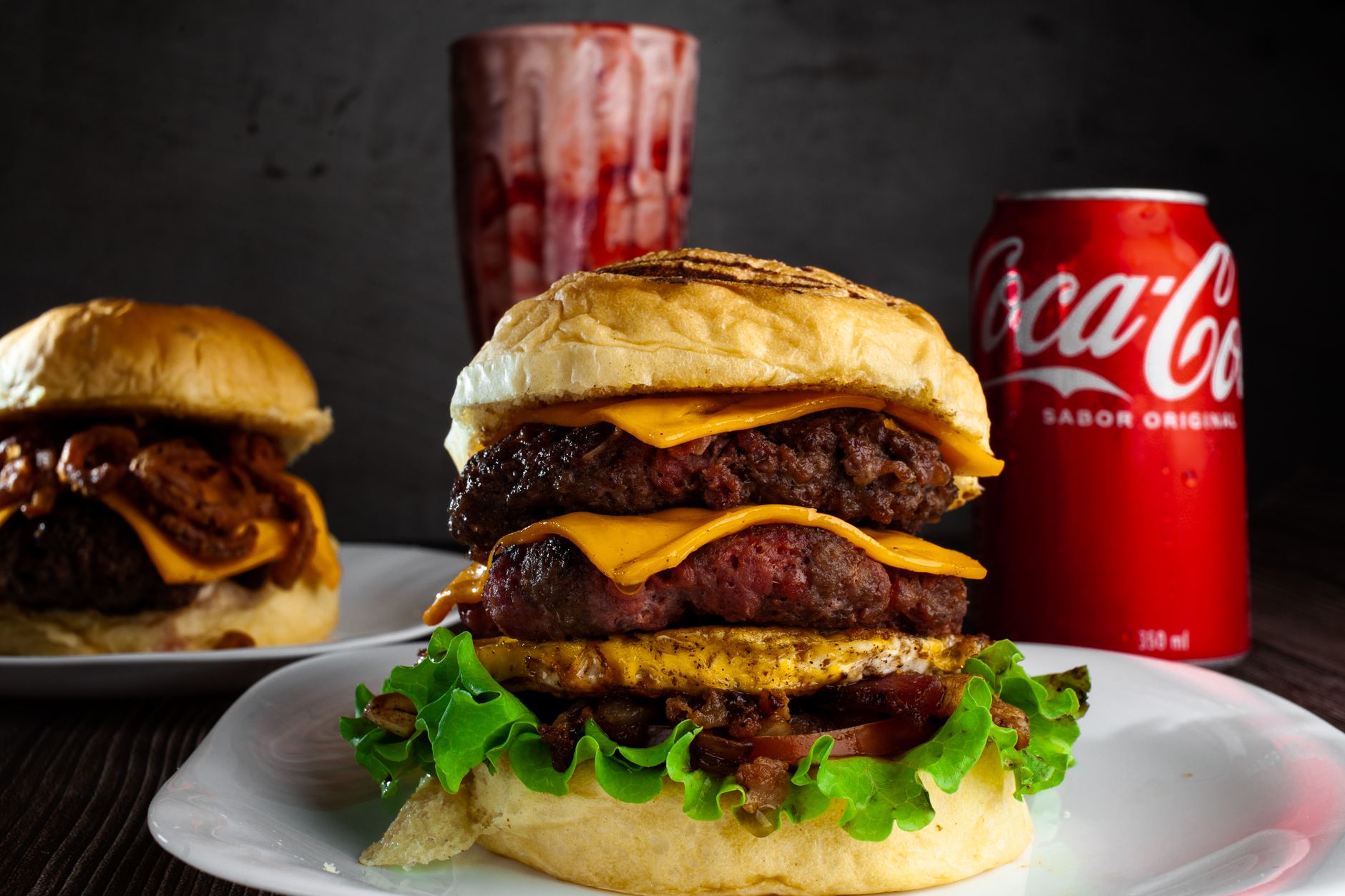
A burger is a classic food item that consists of a cooked patty, typically made from ground meat, served inside a sliced bun. This beloved dish has evolved over time, incorporating a variety of flavors and styles, making it a popular choice around the globe.
The versatility of burgers allows for endless combinations of ingredients and flavors. From gourmet toppings to various types of meat or plant-based alternatives, burgers can satisfy almost any palate, serve as a comforting meal, or act as a showcase for culinary creativity.
What Is Burger?
A burger generally refers to a sandwich comprising a cooked patty, usually made of beef, placed inside a sliced bun. While its core components remain consistent, the variations are numerous. Apart from the patty and bun, burgers can come with an array of toppings, sauces, and seasonings, providing a unique flavor experience.
Understanding the Components of a Burger
Buns
The bun serves as the foundation of a burger. The most common type is a soft, lightly toasted hamburger bun, which can also come in whole grain, sourdough, or brioche variations. Each type brings its own flavor and texture, influencing the overall dining experience.
Protein Patties
While beef is the most traditional choice for burger patties, an increasing variety of options is available. Common proteins include:
- Beef: The classic choice, often seasoned simply with salt and pepper.
- Pork: Adding a different flavor, pork patties can be made with ground pork or apple-based mixes.
- Poultry: Ground chicken or turkey makes for a lighter option, ideal for those looking for less fat.
- Fish: Salmon and tuna can be crafted into flavorful patties.
- Vegetarian/Vegan: Beyond meat, vegetables, legumes, and grains can be combined to make delicious patties.
Toppings
Toppings are where creativity truly shines in burger-making. Popular options include:
- Lettuce: Adds crunch and freshness.
- Tomato: Provides juiciness and acidity.
- Onions: Can be used raw, grilled, or caramelized for sweetness.
- Cheese: A variety of cheeses can enhance flavor; cheddar, blue cheese, and Swiss are favorites.
- Bacon: Adds a savory, crispy element.
- Pickles: Lends a tangy crunch.
- Avocado: Adds creaminess and healthy fats.
Condiments
Condiments often define the flavor profile of a burger. Some popular choices include:
- Ketchup: A classic condiment that adds sweetness and moisture.
- Mustard: Provides a tangy kick.
- Mayonnaise: Creamy texture enhances richness.
- Barbecue Sauce: Adds smokiness and sweetness.
- Hot Sauce: For those desiring spice.
The Flavor Profile of a Burger
The flavor of a burger can change dramatically depending on its components. The savory notes of a well-seasoned patty combine with the soft bun, while the chosen toppings—fresh lettuce, juicy tomato, and flavorful cheese—bring various textures and tastes. Condiments can complement or contrast these flavors, creating a well-balanced dish.
How to Serve a Burger
Serving a burger is an art form in itself. Here are some tips to elevate your burger presentation and experience:
Cooking Methods
There are various ways to cook a burger patty, each imparting different flavors and textures:
- Grilling: Gives a smoky flavor and a nice char to the patty.
- Pan-frying: A more convenient method that works indoors, using a cast-iron skillet or non-stick pan.
- Baking: Allows for batch cooking, retaining moisture and flavor.
- Air frying: A healthier option that results in crispy exterior and juicy interior.
Plating
Presentation matters. Here are some serving suggestions:
- Serve with a side: Pair your burger with fries, onion rings, or a fresh salad.
- Garnishes: Fresh herbs or a sprinkle of paprika can enhance visuals.
- Layering: Stack toppings thoughtfully to avoid them spilling out upon the first bite.
Common Mistakes When Making Burgers
Even with the best intentions, mistakes can happen. Here are some common pitfalls to avoid:
Overmixing the Patty
When forming patties, overworking the ground meat can lead to a tough texture. Mix minimally just until combined.
Not Preheating the Grill or Pan
A hot cooking surface is essential for a good sear. Preheat your grill or pan to ensure the patty cooks evenly and retains moisture.
Using Cold Ingredients
Assemble your burger with room temperature ingredients to ensure an even cook on the patty and to enhance overall flavor.
Overcooking
Using a meat thermometer, aim for internal temperatures of:
- Ground beef: 160°F (71°C)
- Ground turkey: 165°F (74°C)
- Fish: 145°F (63°C)
Variations of Burgers Around the World
Burgers are not solely an American dish. Various cultures have their own interpretations:
American Burgers
Typically beef-based, American burgers are known for their thick patties and a wide range of toppings, from classic cheeseburgers to BBQ bacon burgers.
Japanese Burgers
Japanese burgers often use pork or chicken and can include unique toppings like teriyaki sauce, cabbage, and wasabi mayonnaise, providing a fresh twist.
South African Boerewors Burger
Made with a spiced sausage called boerewors, this burger features robust flavors and is often served in a pita or bun with chutneys.
India’s Vada Pav
A vegetarian burger made of a spiced potato patty served in a bun with chutney. It’s a popular street food item spiced with green chilies.
Australia’s Burger with Pineapple
Often featuring grilled pineapple rings, these burgers blend savory with sweetness, commonly served with beetroot as well.
Substitutions for Burger Ingredients
Creating a delicious burger doesn’t always require traditional ingredients. Here are some practical substitutions:
Buns
- Gluten-free: Use lettuce wraps or gluten-free buns.
- Low-carb: Portobello mushrooms or slices of sweet potato can serve as a bun alternative.
Patties
- Pork instead of beef: Offers a different flavor profile and may be spiced differently.
- Plant-based patties: Options such as black bean, quinoa, or store-bought veggie burgers.
Toppings
- Different cheese: Feta, goat cheese, or spicy pepper jack can change the flavor.
- Non-dairy alternatives: For those avoiding dairy, vegan cheese is available.
Make-Ahead Tips for Burgers
If you’re planning a gathering or party, consider these strategies for make-ahead burgers:
Patty Preparation
Form your patties in advance and refrigerate them, covering them with wax paper to prevent sticking. This can be done up to 24 hours in advance.
Pre-Cut Toppings
Prepare and store toppings such as sliced onions, tomatoes, and lettuce in separate containers in the refrigerator for easy assembly later.
Storing and Reheating Burgers
If you have leftover burgers, proper storage and reheating are essential to maintain the best quality.
Storing
Cool leftovers quickly, and store them in an airtight container in the refrigerator for up to three days. For longer storage, freeze cooked patties individually, wrapped in plastic, and then placed in a freezer bag.
Reheating
To reheat, use the oven at 350°F (175°C) for about 10-15 minutes, or until warmed through. The stovetop also works well—consider pan-frying on low heat for juicier results.
Conclusion
Understanding what a burger is and the elements that contribute to its unique flavor profile can enhance your cooking experience. Whether you like the traditional beef burger or prefer a plant-based option, the possibilities are endless.
Next time you’re in the mood for a burger, consider experimenting with different patties, toppings, and cooking methods for a custom burger that suits your taste. For quick recipes, check out our smash burger recipe or explore our crack burger recipe for more delicious burger ideas.