
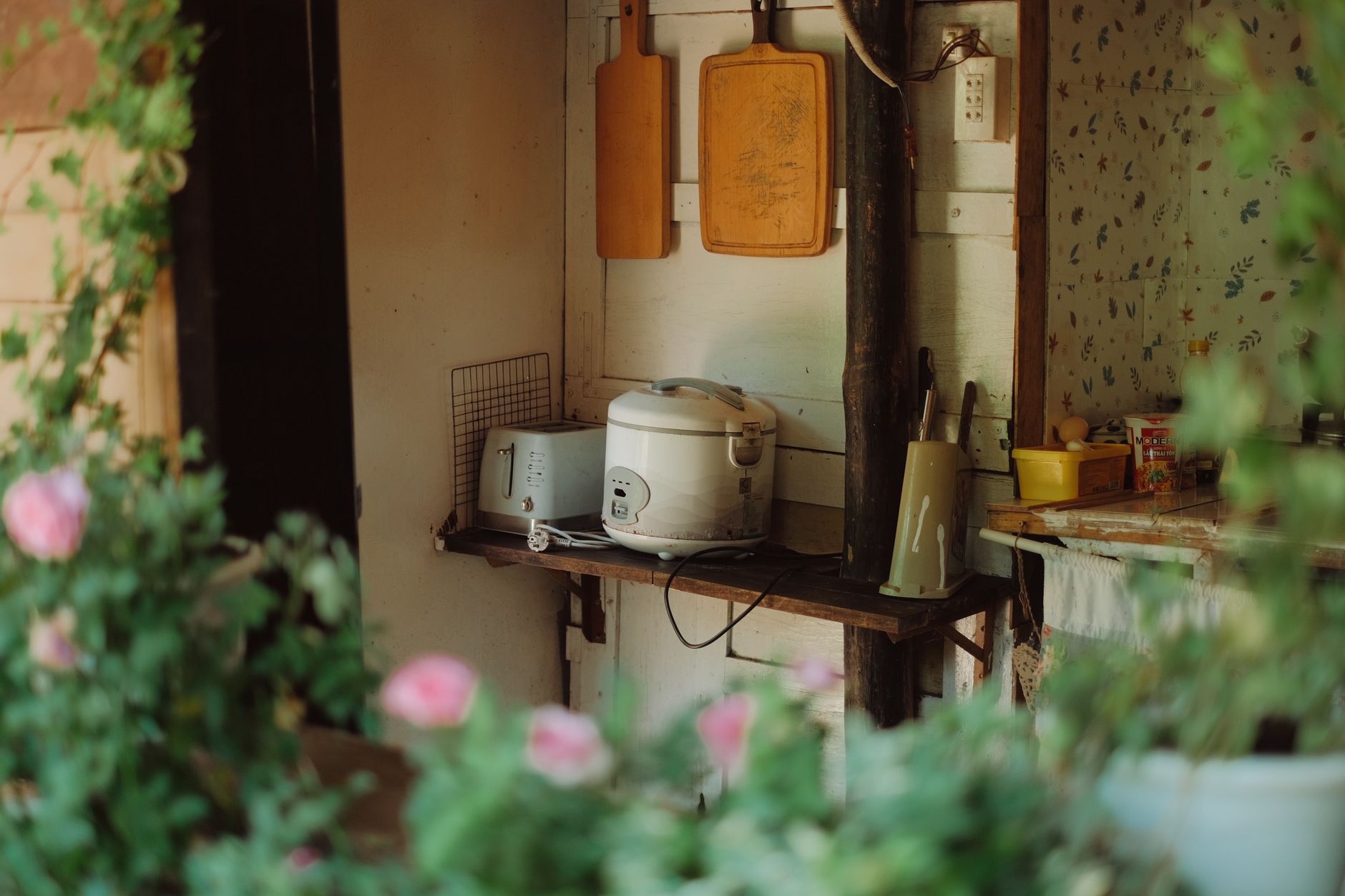
Rice cookers are a fantastic kitchen appliance that greatly simplify the process of cooking rice. However, a common question is whether it’s safe or advisable to leave rice in the rice cooker overnight. This article will explore the implications of storing cooked rice in the rice cooker for extended periods, the associated food safety considerations, and some practical uses for leftover rice.
Understanding the optimal way to handle cooked rice can enhance your meal planning and food preparation techniques. The goal is to help you maximize freshness and flavor while minimizing potential food safety risks.
Can You Leave Rice in the Rice Cooker Overnight?
Technically, it is possible to leave rice in the rice cooker overnight, but it is not advisable. Cooked rice should ideally be consumed shortly after cooking or stored properly to prevent the growth of bacteria. Leaving rice in the cooker, especially if the cooker does not switch to a warming function, can lead to spoilage and health risks.
Understanding Rice Cookers and Their Functions
Before we delve into food safety, it’s important to understand how rice cookers function. Rice cookers primarily have two main settings: cooking and warming. After the rice has cooked, many models automatically switch to a warming mode, which can keep rice at a safe temperature for several hours. However, this function is not intended for extended storage.
How Rice Cookers Work
Rice cookers use a combination of heat and moisture to steam rice. Once the water has evaporated and the rice absorbs it fully, the cooker switches off or goes into warming mode. This process creates a perfectly fluffy rice texture when done correctly.
Risks of Leaving Rice in the Cooker
Leaving rice in the cooker overnight poses several potential risks, especially if it is not kept at a safe temperature:
- Bacterial Growth: Cooked rice can be a breeding ground for Bacillus cereus, a bacteria that can survive cooking. If rice is left out at room temperature, these bacteria can multiply and produce toxins.
- Food Spoilage: Cooked rice left too long can develop off-flavors and odors as it begins to spoil.
- Texture Degradation: Rice can become hard or mushy if left to sit in a cooker for long periods, negatively impacting its texture.
Safe Practices for Rice Storage
If you have leftover rice that you’re unable to consume immediately, proper storage is crucial for maintaining safety and quality. Here’s how to do it:
Timing Matters
Try to consume cooked rice within two hours of cooking to minimize the risk of bacteria growth. If you cannot do so:
- Allow the rice to cool down to room temperature.
- Transfer the rice to an airtight container.
- Store it in the refrigerator for up to four to six days.
How to Properly Store Cooked Rice
- Air-tight Container: Ensure the rice is stored in a sealed container to prevent contamination and moisture loss.
- Date and Label: Always label your storage with the date it was cooked so that you can track its freshness.
- Freezing Option: If you want to store cooked rice for a longer period, consider freezing it. Place the rice in freezer-safe bags or containers, and it can last for up to six months.
Reheating Cooked Rice Safely
When ready to eat leftover rice, ensure that it is reheated thoroughly. The internal temperature should reach 165°F (74°C). Here are methods to reheat safely:
- Microwave: Place rice in a microwave-safe dish with a splash of water to create steam, cover it (but leave a small gap), and heat in intervals, stirring occasionally until heated through.
- Stovetop: Add rice into a saucepan with a small amount of water or broth, cover, and heat over low-medium heat, stirring occasionally.
Practical Uses for Leftover Rice
Instead of discarding leftover rice, there are plenty of delicious and creative ways to use it. Here are some great ideas that may inspire your next meal:
Fried Rice
Fried rice is a popular dish that repurposes leftover rice. Using cold, day-old rice prevents it from becoming mushy and allows it to crisp up nicely in the pan. Here’s how to make a simple fried rice:
- In a large skillet or wok, heat vegetable oil over medium-high heat.
- Add diced vegetables, such as carrots, peas, and bell peppers; cook until tender.
- Add cold leftover rice and stir to combine, breaking apart clumps.
- Push the rice to one side, crack an egg into the pan, scramble, and then mix it in.
- Season with soy sauce, sesame oil, and any other desired seasonings.
Rice Salad
Rice can be a fantastic base for salads. Combine it with chopped veggies, beans, and a vinaigrette dressing for a refreshing dish. Here’s a basic recipe:
- In a bowl, mix cooked rice with diced cucumbers, bell peppers, and cherry tomatoes.
- Add canned beans of your choice (like black or chickpeas) for protein.
- Drizzle with olive oil and lemon juice; toss to combine, and season with salt and pepper.
Stuffed Peppers
For a hearty meal, use rice to stuff bell peppers. Here’s a brief method:
- Preheat your oven to 375°F (190°C).
- Cut the tops off bell peppers and remove the seeds.
- In a bowl, combine rice, cooked ground meat, diced tomatoes, and spices.
- Stuff the mixture into the peppers and place them in a baking dish.
- Bake for around 30-35 minutes, until the peppers are tender.
Rice Pudding
Turn your leftover rice into a delicious dessert. Here’s how:
- In a saucepan, combine leftover rice, milk, sugar, and a pinch of salt.
- Cook over medium heat until creamy, then stir in vanilla extract and cinnamon.
- Serve warm or chilled, garnished with raisins or nuts.
Common Mistakes When Storing and Reheating Rice
Even in the midst of good intentions, mistakes can happen. Here are common pitfalls to avoid when it comes to rice safety:
- Leaving Cooked Rice at Room Temperature: Always refrigerate cooked rice if not consumed within two hours.
- Not Cooling the Rice: Placing hot rice directly in the fridge can raise the temperature inside the fridge, affecting other foods. Always cool it down first.
- Reheating Multiple Times: Each time you reheat rice, it can reduce the quality and safety. Only reheat what you will consume at once.
Conclusion
Leaving rice in a rice cooker overnight is not the best practice for food safety or quality. It’s crucial to be mindful of how you store and reheat rice to prevent foodborne illnesses. Instead of letting leftover rice go to waste, get creative with your recipes, incorporating stored rice into various delicious dishes that can be prepared quickly and tastefully.
For more insights into cooking rice, including water ratios and nutrition considerations, think about using helpful resources such as how many cups of water for cooking rice or exploring whether rice is fattening.