
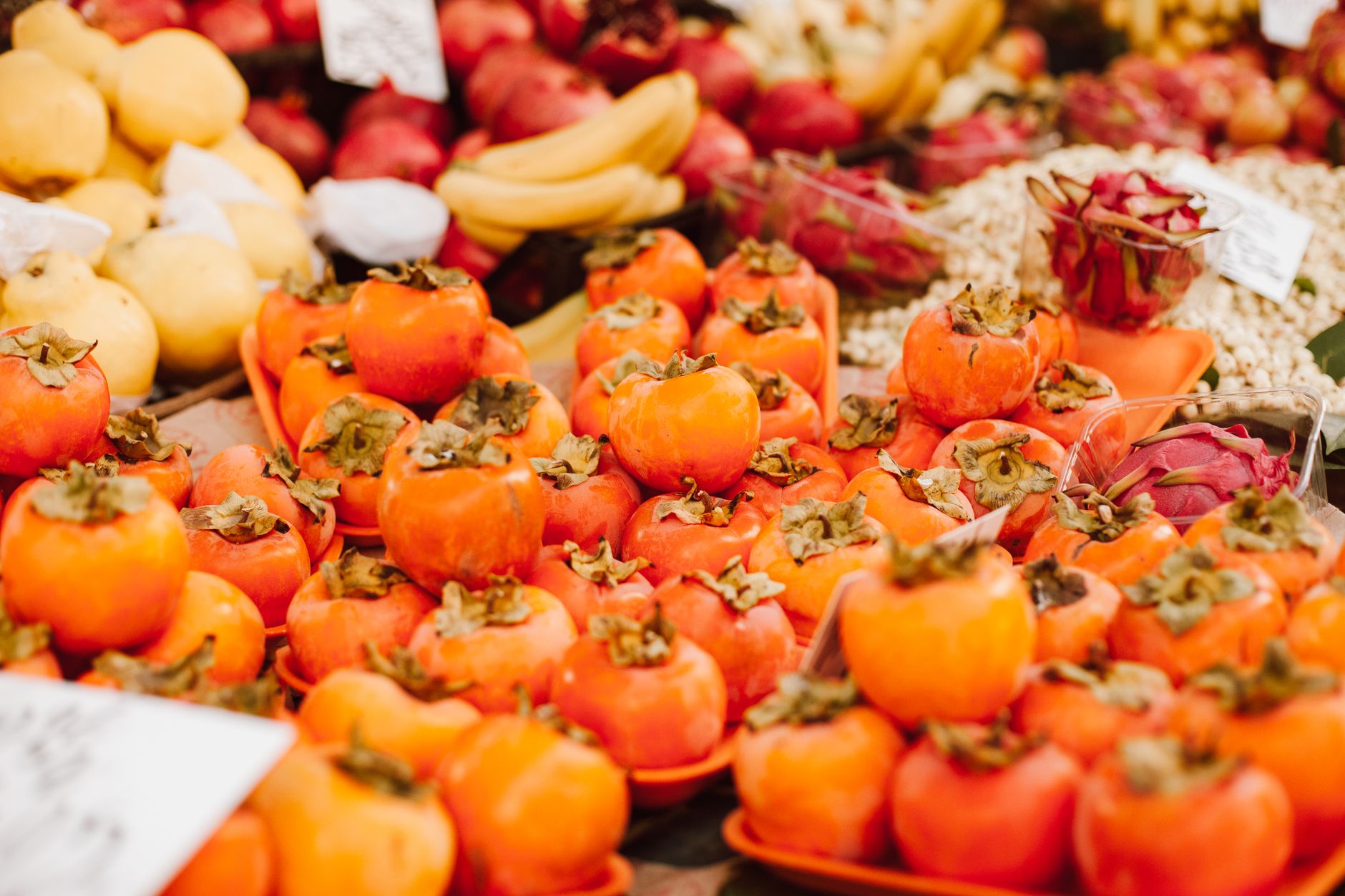
Fiber is an essential component of a healthy diet, playing vital roles in digestion and overall health. Incorporating high-fiber fruits into your meals can boost your daily intake while adding flavor and variety. This guide will explore various high-fiber fruits, their nutritional values, serving sizes, and ways to incorporate them into your diet.
In addition to their fiber content, these fruits offer numerous health benefits, making them a great addition to any meal plan. Whether you aim to increase your fiber intake or diversify your fruit consumption, this information will be practical and useful.
What Fruit Has High Fiber?
High-fiber fruits include raspberries, pears, apples, bananas, and avocados, among others. These fruits provide significant amounts of dietary fiber, which aids in digestion and can promote a feeling of fullness. Including these fruits in your diet contributes beneficial nutrients along with fiber.
Understanding Fiber
Fiber is mostly found in fruits, vegetables, whole grains, and legumes. It comes in two forms: soluble and insoluble. Soluble fiber dissolves in water and can help regulate blood sugar levels and lower cholesterol, while insoluble fiber adds bulk to stools and aids in digestion.
The recommended daily fiber intake for adults is about 25 grams for women and 38 grams for men. However, these needs can vary based on age, sex, and activity level. Integrating high-fiber fruits into your diet is a delicious way to help meet these fiber requirements.
High-Fiber Fruits and Their Nutrition Facts
1. Raspberries
Raspberries are not only delicious, but they also contain a remarkable amount of fiber. A typical serving of one cup (approximately 123 grams) provides:
- Fiber: 8 grams
- Calories: 65
- Carbohydrates: 15 grams
- Protein: 1.5 grams
- Fat: 0.8 grams
Raspberries have a sweet and slightly tart flavor, making them a great addition to smoothies, oatmeal, and desserts.
2. Pears
Pears are another excellent source of fiber, especially when consumed with the skin. A medium-sized pear (about 178 grams) offers:
- Fiber: 5.5 grams
- Calories: 102
- Carbohydrates: 28 grams
- Protein: 0.6 grams
- Fat: 0.2 grams
With their sweet flavor and juicy texture, pears can be enjoyed fresh, in salads, or baked into desserts.
3. Apples
Common and versatile, apples are a convenient fruit that provides a good fiber boost. A medium apple (about 182 grams) contains:
- Fiber: 4 grams
- Calories: 95
- Carbohydrates: 25 grams
- Protein: 0.5 grams
- Fat: 0.3 grams
The crunchy texture and sweet-tart flavor of apples make them a perfect snack or ingredient in various dishes, from salads to pies.
4. Bananas
Bananas are well-known for their convenience and potassium content, but they also provide fiber. A medium banana (about 118 grams) offers:
- Fiber: 3 grams
- Calories: 105
- Carbohydrates: 27 grams
- Protein: 1.3 grams
- Fat: 0.4 grams
Sweet and easily portable, bananas can be added to smoothies, cereals, or simply enjoyed on their own.
5. Avocados
Though often overlooked as a fruit, avocados are incredibly high in fiber and healthy fats. One medium avocado (about 150 grams) contains:
- Fiber: 10 grams
- Calories: 240
- Carbohydrates: 13 grams
- Protein: 3 grams
- Fat: 22 grams
Avocados have a creamy texture and mild flavor, making them ideal for salads, sandwiches, or as a base for dips like guacamole.
6. Blackberries
Blackberries are another berry rich in fiber. A cup of blackberries (about 144 grams) contains:
- Fiber: 7 grams
- Calories: 62
- Carbohydrates: 14 grams
- Protein: 2 grams
- Fat: 0.7 grams
With their bold flavor, blackberries can be enjoyed raw, in smoothies, or baked into pies and cobblers.
7. Figs
Figs are a unique fruit high in fiber, especially when dried. A serving of five medium dried figs (about 147 grams) offers:
- Fiber: 7.7 grams
- Calories: 371
- Carbohydrates: 99 grams
- Protein: 4 grams
- Fat: 1.6 grams
Figs are sweet and chewy and can be enjoyed fresh or dried, added to cheese boards or salads.
8. Oranges
Oranges offer both vitamin C and fiber. A medium orange (about 131 grams) includes:
- Fiber: 3.1 grams
- Calories: 62
- Carbohydrates: 15 grams
- Protein: 1.2 grams
- Fat: 0.2 grams
The sweet and juicy nature of oranges makes them refreshing on their own or juiced for beverages and salad dressings.
9. Guava
Guava is a tropical fruit rich in fiber. One medium guava (about 250 grams) contains:
- Fiber: 5 grams
- Calories: 112
- Carbohydrates: 24 grams
- Protein: 4.2 grams
- Fat: 0.5 grams
Its unique flavor can be enjoyed in smoothies, desserts, or as a fresh snack.
10. Passion Fruit
Passion fruit, known for its aromatic flavor, is another high-fiber option. One fruit (about 18 grams) consists of:
- Fiber: 2 grams
- Calories: 17
- Carbohydrates: 4 grams
- Protein: 0.5 grams
- Fat: 0.2 grams
The tangy sweetness of passion fruit can be added to desserts, salads, or enjoyed as a juice.
How to Incorporate High-Fiber Fruits into Your Diet
Adding high-fiber fruits to your meals can be simple and delicious. Here are some ideas for incorporating them into your daily diet:
- Smoothies: Blend your favorite high-fiber fruits with yogurt or plant-based milk for a nutritious breakfast or snack.
- Oatmeal: Top your morning oatmeal with raspberries, bananas, or diced apples for added texture and fiber.
- Salads: Toss fruits like pears, figs, or sliced apples into salads for a fresh, sweet element that also boosts fiber content.
- Snacks: Keep high-fiber fruits on hand for quick snacks. Pair apple slices with nut butter or enjoy guava slices with cheese.
- Desserts: Use fruits like blackberries and peaches for fruit crisps or galettes, maximizing flavor and fiber in your desserts.
Practical Tips for Selecting and Storing High-Fiber Fruits
When shopping for high-fiber fruits, keep the following tips in mind to ensure freshness and quality:
- Choose ripe fruits: Look for fruits that feel firm yet yield slightly to pressure, indicating they are ripe and ready to eat.
- Inspect for blemishes: Avoid fruits with brown spots, cuts, or wrinkles, as these may indicate spoilage.
- Read packaging: For packaged fruits like dried figs or cranberries, check for added sugars or preservatives that could detract from their health benefits.
Common Mistakes When Increasing Fiber Intake
As you incorporate more fiber into your diet through fruits, be mindful of the following common mistakes:
- Rushing the increase: Introduce fiber gradually to avoid digestive discomfort such as bloating or gas.
- Not drinking enough water: Drinking plenty of water is essential when increasing fiber intake to prevent constipation and aid digestion.
- Overlooking portion sizes: While fruits are healthy, they also contain calories. Be aware of your portion sizes to maintain a balanced diet.
Storing High-Fiber Fruits
Proper storage can help maximize the shelf life of high-fiber fruits:
- Raspberries and blackberries: Store in the refrigerator in a breathable container and consume within a few days for the best quality.
- Pears and apples: Keep in a cool place, ideally the fridge, to extend their freshness.
- Avocados: Store at room temperature until ripe, then transfer to the refrigerator if needed.
Conclusion
Incorporating high-fiber fruits into your diet is a delicious and effective way to boost your fiber intake while enjoying a variety of flavors and textures. By exploring fruits such as raspberries, pears, apples, and avocados, you can enhance your overall health and well-being. Remember to select fresh fruits, add them to your favorite meals, and store them correctly to get the most out of your high-fiber fruits.
For more information on fiber content in specific fruits, check out our article on fiber in bananas, or explore our chia pudding recipe with coconut milk for a fiber-rich dessert.