
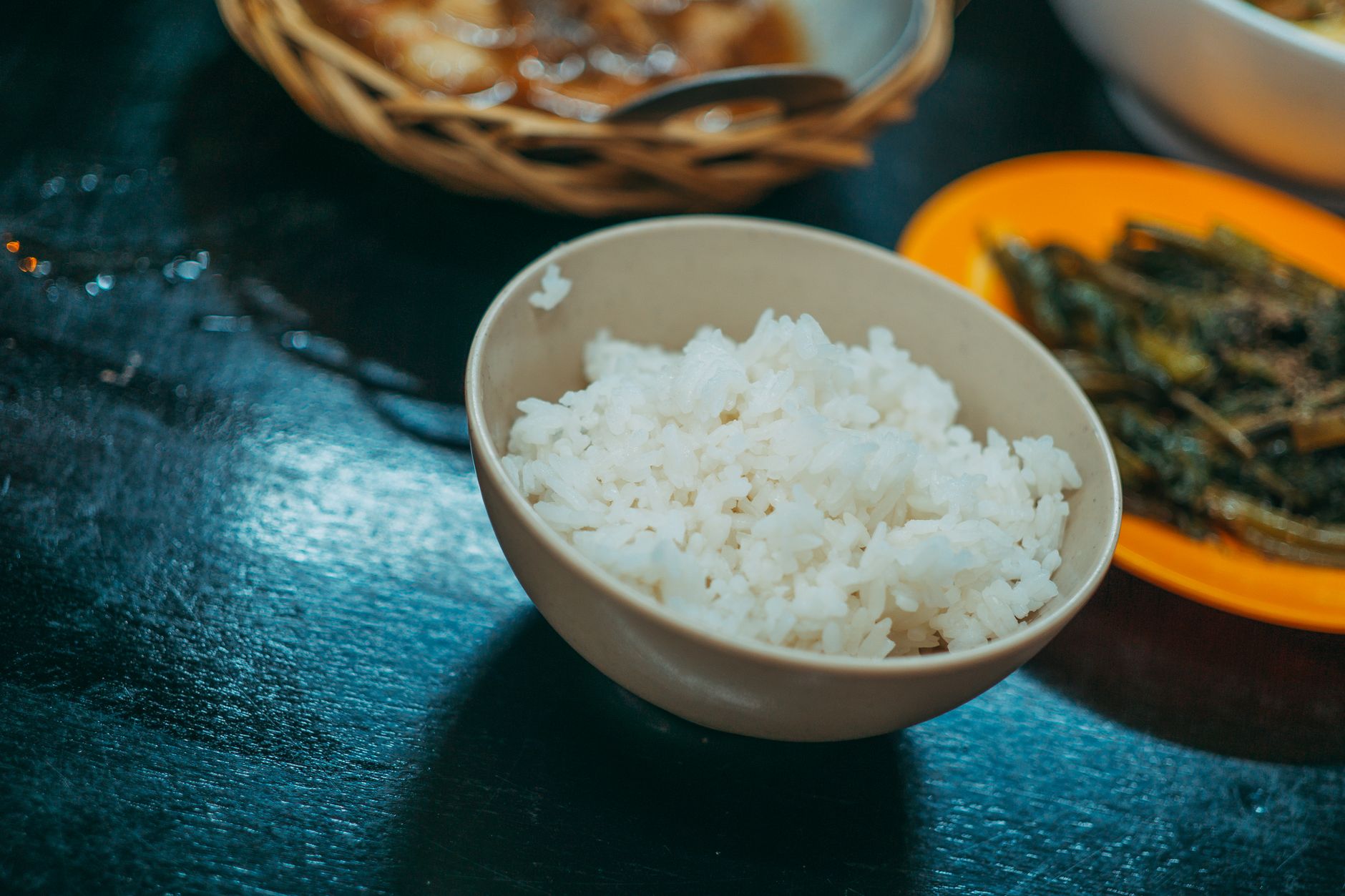
Rice is a staple food around the world, often enjoyed for its versatility and ability to complement a variety of dishes. However, with growing health consciousness, many individuals question whether rice contributes to weight gain. This article delves into the nutritional aspects of rice, its different types, and how it fits into a balanced diet.
Understanding the interplay between rice consumption and weight management can help inform your dietary choices. Let’s explore the factors that determine whether rice can be considered fattening.
Is Rice Fattening?
Rice itself is not inherently fattening; it is the portion size and its place in your overall diet that matter. When consumed in moderation as part of a balanced diet, rice can be a supportive addition to your meals. However, eating excessive amounts, particularly of white rice, may contribute to weight gain.
Nutritional Profile of Rice
Rice comes in several varieties, each with its own nutritional profile. Understanding these differences can help you make more informed choices.
Types of Rice
- White Rice: This is the most common type. It is milled and polished, resulting in a softer texture but losing some nutrients in the process.
- Brown Rice: A whole grain that retains the bran and germ, making it richer in fiber, vitamins, and minerals compared to white rice.
- Wild Rice: Technically not rice but a grass, wild rice is high in protein and nutrients. It has a nutty flavor and chewy texture.
- Jasmine Rice: A fragrant long-grain rice that is commonly used in Southeast Asian cuisine. It has a slightly sticky texture when cooked.
- Basmati Rice: Long-grain rice traditionally grown in the Indian subcontinent. Known for its aromatic flavor and fluffy texture.
Caloric Content and Macronutrients
The caloric content of rice varies by type. Here’s a brief overview of the calories and macronutrients in a cup of cooked rice:
| Type of Rice | Calories | Carbohydrates (g) | Protein (g) | Fat (g) |
|---|---|---|---|---|
| White Rice | 205 | 45 | 4.3 | 0.4 |
| Brown Rice | 218 | 45 | 5.0 | 1.6 |
| Wild Rice | 166 | 35 | 6.5 | 0.6 |
| Jasmine Rice | 205 | 45 | 4.2 | 0.4 |
| Basmati Rice | 190 | 39 | 4.2 | 0.6 |
The Role of Rice in Weight Management
Weight gain typically occurs when there is a caloric surplus—consuming more calories than your body burns. Given the caloric content of rice, moderation is key.
Portion Control
One cup of cooked rice is a standard serving size and contains approximately 200 calories on average. For individuals monitoring their weight, being mindful of the portion can help manage caloric intake effectively. It’s beneficial to pair rice with nutrient-dense vegetables, proteins, and healthy fats to enhance meals while keeping calorie counts in check.
Whole Grains versus Refined Grains
Choosing whole grains such as brown rice over refined grains like white rice can impact satiety and overall nutrition. Brown rice has a higher fiber content, which can promote feelings of fullness and may prevent overeating. The fiber and nutrients in brown rice can also aid digestion and promote steady energy levels.
How Cooking Methods Affect Rice’s Healthiness
How you prepare rice can also influence its health properties and impact your overall diet.
Cooking Techniques
- Boiling: A popular method that preserves the nutritional integrity of rice. Ensure to follow the correct water-to-rice ratio for the best results.
- Steaming: Steaming rice helps retain nutrients, making it a healthy choice. It also yields fluffier grains.
- Frying: Cooking rice in oil or butter can lead to added calories and fats, which may contribute to weight gain if consumed frequently.
Rice Dishes and Ingredients
The dishes you prepare with rice can significantly affect its calorie count. For instance, fried rice often contains added oils and meats, increasing calorie content. Conversely, a vegetable stir-fry with rice can yield a lighter meal.
Rice in Different Diets
Understanding how rice fits into various dietary plans can also help you make informed choices.
Low-Carb Diets
Individuals on low-carb diets often seek alternatives to rice due to its high carbohydrate content. Cauliflower rice or zucchini noodles are popular substitutes that align better with such dietary guidelines.
Plant-Based Diets
For those following a plant-based diet, rice provides a vital source of carbohydrates and energy. It pairs well with legumes, vegetables, and plant-based proteins to create nutritious meals.
Practical Tips for Incorporating Rice into Your Diet
If you enjoy rice but are concerned about its impact on your diet, consider these practical tips to balance your meals.
Use Brown Rice or Long-Grain Varieties
Opt for brown rice or long-grain varieties like basmati when possible. These options have more fiber and nutrients and help you feel fuller longer.
Serve with Vegetables and Protein
Make rice a base for your meals by adding vegetables and lean proteins. This combination not only enhances flavor but also promotes a more balanced plate.
Practice Portion Control
Stick to a standard serving size of rice, and use measuring cups if you find it helps. Serving rice in smaller bowls can also create the illusion of a larger portion.
Plan Your Meals
Consider meal planning for the week, incorporating rice as a versatile side dish or main ingredient while balancing your food groups.
Common Misconceptions about Rice
Several myths surround rice and its health implications. Let’s clarify a few common misconceptions.
Myth: All Rice is Fattening
The truth is nuanced. While excessive quantities of any food can lead to weight gain, moderate consumption of rice as part of a balanced diet is unlikely to be fattening.
Myth: Brown Rice is Always Healthier than White Rice
Though brown rice has more fiber, personal preference and digestion play significant roles. Some individuals may prefer the taste of white rice or find it easier to digest.
Myth: Rice Can Cause Diabetes
While high glycemic index foods can contribute to spikes in blood sugar levels, moderation and pairing rice with other macronutrients can help manage these effects.
Conclusion
Rice can be a beneficial part of your diet when consumed in moderation and paired with nutritious foods. Understanding the types of rice, their nutritional values, and how portion sizes impact your overall intake is essential for making healthier choices. Whether enjoyed in a comforting bowl of stir-fried rice or a fresh vegetable casserole, rice can fit seamlessly into a balanced lifestyle.
If you’re looking for more cooking tips or delicious recipes featuring rice, check out these helpful links: learn about basmati rice being gluten-free or explore the flavors of a Puerto Rican rice recipe.