
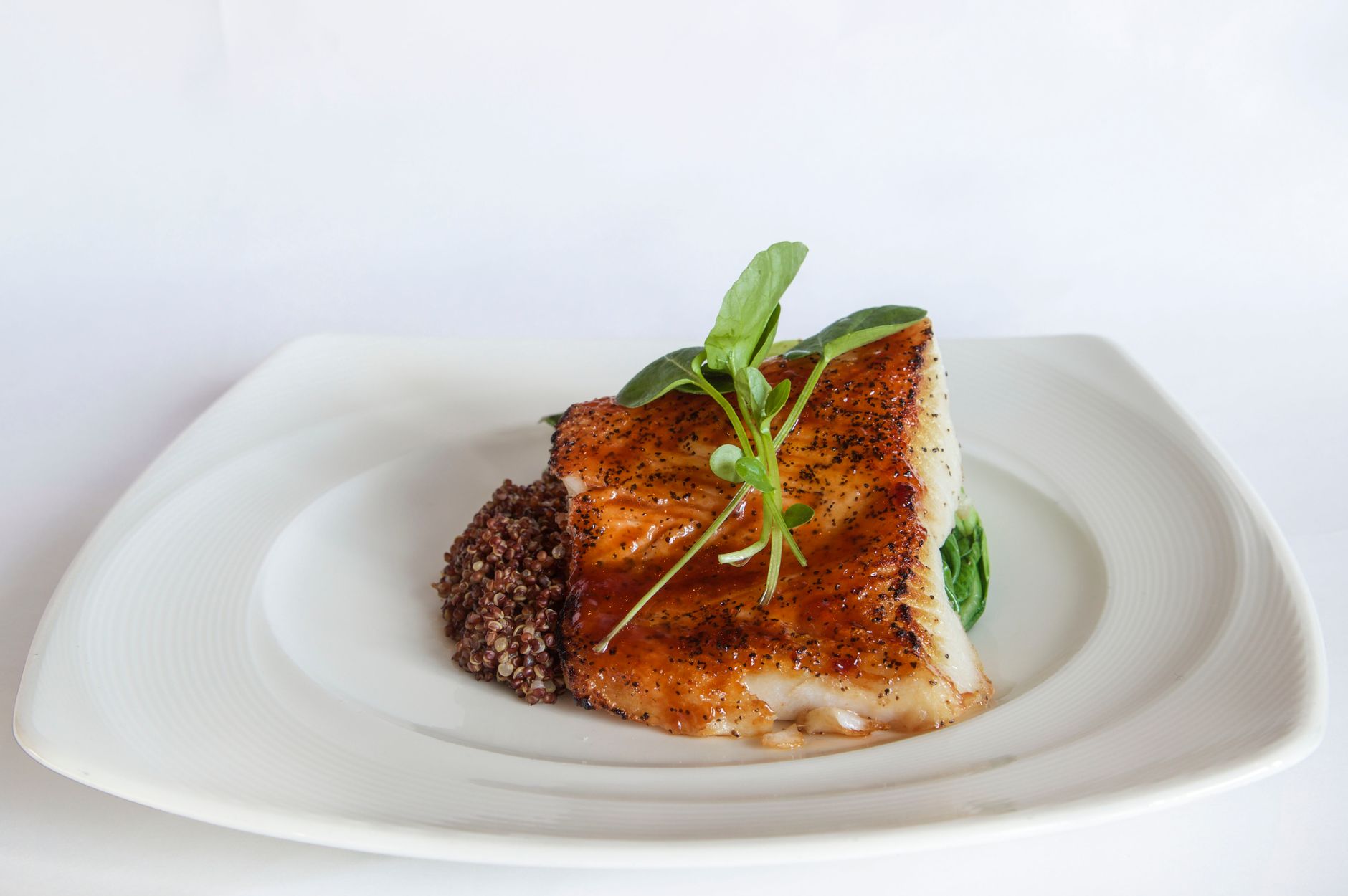
Salmon is a beloved fish known for its rich flavor and buttery texture. However, cooking it to the right doneness can be a bit confusing, especially when it comes to the question of undercooking. Many home cooks wonder about the safety and quality of undercooked salmon. Understanding how to cook salmon correctly is crucial for both enjoyment and food safety.
This article will delve into the nuances of undercooking salmon, addressing its safety, culinary uses, and providing practical serving ideas. By understanding the nature of salmon and the best cooking practices, you will enhance your cooking skills and avoid common pitfalls in preparation.
Can You Undercook Salmon?
Undercooking salmon is a topic of debate. Salmon can be safely served when it reaches a specific internal temperature, which is typically lower than that for other types of fish. While many enjoy salmon cooked medium-rare, it is essential to consider safety guidelines and personal preferences when doing so.
Understanding the Basics of Salmon
Salmon is not only popular because of its taste but also its nutritional benefits. Rich in omega-3 fatty acids, high-quality protein, and various vitamins, salmon is a nutritious addition to any meal. There are several types of salmon to consider, including:
- Chinook (King)
- Coho (Silver)
- Sockeye (Red)
- Pink
- Atlantic
Each type differs in flavor, texture, and fat content, influencing cooking techniques and doneness levels.
Safe Cooking Temperatures for Salmon
The U.S. Food and Drug Administration (FDA) recommends that fish be cooked to an internal temperature of 145°F (63°C). At this temperature, harmful bacteria and parasites are killed, making the fish safe to eat. However, many chefs and food enthusiasts prefer cooking salmon to a lower temperature for a more tender and juicy result.
Medium-Rare Salmon
Many experts suggest undercooking salmon to an internal temperature of around 120°F to 125°F (49°C to 52°C). At this range, the salmon appears slightly translucent and is still moist and rich in flavor. This is commonly known as medium-rare salmon.
What to Consider When Undercooking Salmon
- Source of the Fish: Always purchase high-quality, sushi-grade salmon from reputable sources. This fish has been frozen to kill parasites and is safer to consume raw or undercooked.
- Cooking Method: Techniques such as poaching, grilling, or searing will yield different results. Some methods may retain moisture better, leading to a more desirable undercooked final product.
- Personal Preference: Some people enjoy a firmer texture, while others prefer a softer, seemingly raw interior. Understanding your own taste preferences is essential.
Cooking Techniques for Salmon
There are various methods to prepare salmon, each encouraging different textures and flavors. Here are common techniques that are well suited for undercooking salmon:
Grilling Salmon
- Preheat the grill to medium heat.
- Season your salmon with salt, pepper, and other spices as desired.
- Place the salmon skin-side down on the grill. Cook for about 4-5 minutes on one side.
- Flip the salmon and grill for an additional 3-4 minutes, checking for internal temperature.
- Remove from heat when the internal temperature reaches your desired range.
Pan-Seared Salmon
- Heat a non-stick skillet over medium-high heat with oil.
- Add seasoned salmon to the pan, skin-side down. Cook for about 6-7 minutes.
- Flip the salmon and cook for an additional 4-5 minutes.
- Check the internal temperature, and remove if it’s reached the desired level of doneness.
Oven-Baked Salmon
- Preheat the oven to 375°F (190°C).
- Place seasoned salmon on a baking sheet lined with parchment paper.
- Bake for about 15-20 minutes, checking for your desired internal temperature.
Poached Salmon
- In a large skillet, add water, white wine, and aromatics (such as lemon slices and herbs).
- Bring to a light simmer.
- Add salmon fillets and cover for about 10 minutes, or until the desired doneness.
Flavor Pairings for Salmon
Undercooked salmon can be paired beautifully with various flavors. Here are some popular pairings to consider:
Herbs and Aromatics
Fresh herbs such as dill, parsley, and cilantro enhance the natural flavors of the fish. Garlic and shallots also add depth and complexity when used in marinades or sauces.
Citrus Flavors
Lemon, lime, or orange zest can brighten the dish. Serving salmon with a squeeze of fresh citrus provides a complementary contrast to its richness.
Asian Influences
Ingredients such as soy sauce, sesame oil, and ginger work harmoniously with salmon. A drizzle of teriyaki sauce can elevate your undercooked salmon to new heights.
Common Mistakes When Cooking Salmon
Cooking salmon can be straightforward, but mistakes can happen. Here are a few common pitfalls and tips on how to avoid them:
- Overcooking: Keep an eye on cooking times and internal temperatures. An instant-read thermometer is beneficial to ensure your salmon is done to your preference.
- Not allowing the fish to rest: Let the cooked salmon rest for a few minutes before cutting into it. This allows the juices to redistribute, increasing moisture and flavor.
- Removing the skin too early: Salmons’ skin can protect the flesh while cooking. Cooking skin-side down helps retain moisture and adds flavor.
Health Considerations for Undercooked Salmon
Eating undercooked salmon carries some risks. While many enjoy it medium-rare, it is essential to be aware of the following health considerations:
Parasites
Salmon can harbor parasites, such as Anisakis. Consuming sushi-grade salmon, which has been frozen to eliminate this risk, is crucial for safety. Ensure proper handling and sourcing practices when serving undercooked salmon.
Foodborne Illness
Undercooked fish may expose you to harmful bacteria. While the risk is lower with high-quality fish, be mindful of where you purchase your salmon and the conditions in which it is prepared.
Serving Suggestions for Undercooked Salmon
When serving undercooked salmon, consider its presentation and accompanying dishes. Here are some suggestions:
Salad Bowls
Top a fresh salad with slices of undercooked salmon, avocado, and a citrus vinaigrette. The lightness of the salad complements the richness of the salmon.
Sushi or Sashimi
Use undercooked salmon in sushi rolls or as sashimi with fresh vegetables, seaweed, and a touch of wasabi for an authentic taste.
Pasta Dishes
Create a warm pasta dish with undercooked salmon, tossed in a light cream or herb-infused sauce, allowing the heat of the pasta to gently finish cooking the fish.
Make-Ahead and Storage
When planning meals that include undercooked salmon, consider the following:
Make-Ahead Tips
If using undercooked salmon in meal prep, properly store it in the refrigerator immediately after cooking. Use within 1-2 days for the best quality.
Storage Guidelines
Store cooked salmon in an airtight container in the fridge for up to two days. When reheating, take care to heat just enough to make it safe without cooking it further. The texture may change with refrigeration and reheating.
Final Thoughts on Undercooking Salmon
Undercooking salmon can offer an exceptional sensory experience when done safely and artfully. Enjoying salmon right at the medium-rare level often brings out its most delicious flavors and textures. Remember to source high-quality fish, use proper cooking techniques, and consider the right combinations for an enjoyable meal.
Exploring salmon can lead to numerous culinary adventures, so take the time to perfect your skills. Consider checking out how long to cook tilapia for another delightful fish option, or learn how to tell if salmon is bad for safer storage practices. Happy cooking!