
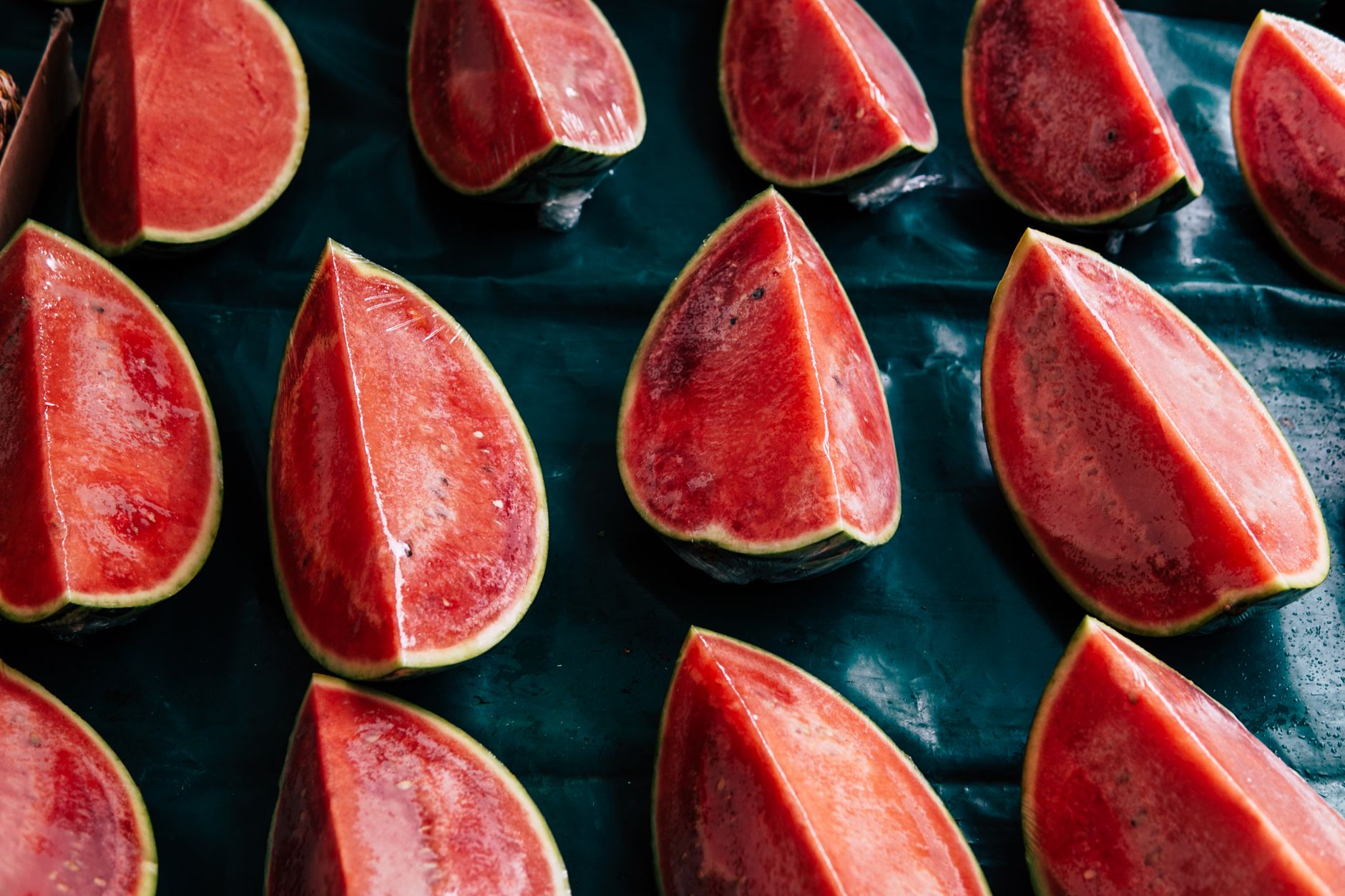
Watermelon is a beloved summer fruit, cherished for its sweet, juicy flesh and refreshing taste. Knowing when watermelons are in season can elevate your culinary experiences, as this timing influences not just flavor and texture but also availability and price. In this article, we will explore the peak season for watermelon, factors affecting its growth, tips for choosing the best melons, and ways to enjoy this delightful fruit.
Understanding when watermelons are in season allows you to fully appreciate their flavor and texture. Whether you enjoy it as a snack, in salads, or as part of drinks and desserts, choosing ripe, in-season watermelons can enhance your meals and gatherings.
When Are Watermelon in Season?
Watermelon is primarily in season during the warmer months of the year. In the United States, the peak watermelon season typically runs from late May through September, with the best months being July and August. In southern states, watermelon may start ripening earlier, while in northern regions, the season can be shorter.
Several factors influence the timing of watermelon harvests, including the climate and geographical location. Watermelons thrive in warm weather and require a long growing season, often taking 70 to 90 days from planting to harvest.
Geographical Variations in Watermelon Seasons
The specific timing of watermelon season can vary significantly based on where they are grown:
- Southern U.S. (Texas, Florida, California): Watermelons generally start arriving in late May and peak during July and August.
- Midwestern U.S. (Illinois, Indiana, Ohio): Season starts later, typically in June, with peak availability in late July and August.
- Northern U.S. (Michigan, New York, Pennsylvania): Watermelons are usually harvested from July through early September, with local varieties appearing later in the season.
Factors that Affect Watermelon Season
Several elements impact when watermelons become available:
- Climate: Watermelons grow best in warm temperatures. A cooler or longer-than-average spring can delay the planting and harvesting periods.
- Soil Conditions: Watermelons flourish in well-drained, sandy loam soils. Poor soil can affect plant health and growth rates.
- Water Supply: Adequate irrigation and rainfall are crucial for the healthy development of watermelon plants, directly impacting the timing of harvest.
Choosing the Best Watermelons
To ensure maximum flavor and sweetness when purchasing watermelon, follow these tips:
1. Look for Uniform Shape
Choose watermelons that are symmetrical and uniformly shaped. Odd shapes could indicate inconsistent growth, which may affect the taste.
2. Check the Field Spot
The field spot is the area where the watermelon rested on the ground while ripening. A creamy yellow or golden spot indicates that the melon ripened fully in the field. A white spot may suggest it was picked too early.
3. Assess the Size
Choose a watermelon that feels heavy for its size. A denser melon usually contains more water and sugar, leading to a sweeter taste.
4. Tap for Sound
Give the watermelon a gentle tap. A deep, hollow sound suggests ripeness, while a dull sound may indicate it is under-ripened.
5. Check for Sugar Spots
Dark, rough patches or sugar spots on the melon’s surface can indicate sweetness. These natural sugar accumulations signify a ripened fruit.
Storing Watermelon
To maintain the freshness and quality of your watermelon, proper storage is essential:
Short-term Storage
For short-term storage, keep uncut watermelon at room temperature for a couple of days. Once cut, wrap it tightly in plastic wrap or store it in an airtight container in the refrigerator. Cut watermelon can typically last about three to five days in the fridge.
Long-term Storage
Watermelon can also be frozen for longer storage. Cut it into cubes or slices, place them on a baking sheet, and freeze until solid. Then transfer the frozen pieces to a freezer bag or container. Frozen watermelon is best used within six to twelve months.
Ways to Enjoy Watermelon
Watermelon can be enjoyed in countless ways, making it versatile and fun to incorporate into various dishes:
1. Fresh Snacks
Serve chilled watermelon slices or cubes as a refreshing snack on hot days. Pair it with mint for extra flavor.
2. Summer Salads
Combine watermelon with feta cheese, basil, or arugula for a light summer salad. Drizzle with balsamic glaze for added depth.
3. Smoothies
Blend watermelon with yogurt, spinach, and lemon juice for a nutrient-packed smoothie. The natural sweetness of watermelon enhances the flavor.
4. Drinks
Create refreshing beverages by blending watermelon juice with sparkling water, lime, or vodka for a summer cocktail.
5. Desserts
Incorporate watermelon into sorbet or popsicles for a delightful frozen treat. Layer with other fruits for variation.
Practical Tips for Cooking with Watermelon
While watermelon is often enjoyed raw, you can also incorporate it into cooked dishes. Here are some tips for cooking with watermelon:
1. Grilling
Grilling watermelon caramelizes its sugars, enhancing the sweetness. Cut the melon into thick slices, brush lightly with olive oil, and grill for a few minutes on each side.
2. Roasting
Roasted watermelon can be added to savory dishes. Cut into cubes, then roast at 400°F for about 20-25 minutes until caramelized for a unique flavor profile.
3. Soup
Watermelon can be used in chilled soups. Blend with cucumber, mint, and yogurt for a refreshing summer dish.
4. Salsas
Dice watermelon and mix it with jalapeños, red onion, lime juice, and cilantro for a fresh salsa perfect for pairing with grilled proteins.
Common Mistakes When Purchasing Watermelon
When buying watermelon, avoid these common pitfalls:
- Choosing a watermelon without checking its sound can lead to selecting an under-ripe fruit.
- Ignoring the field spot might lead you to an unripe or flavorless melon.
- Opting for watermelons that are extremely heavy can be misleading; a good balance of weight and size is key.
Frequently Asked Questions about Watermelon Season
1. Can I find watermelon in winter months?
In some regions, imported watermelons may be available during winter, but they will likely not be as fresh and flavorful as locally grown watermelons during peak season.
2. How do I know if a watermelon is ripe?
A ripe watermelon will be symmetrical, have a deep hollow sound when tapped, and show a cream field spot. The skin should also be firm, not soft or overly shiny.
Conclusion
Understanding when watermelon is in season can greatly enhance your enjoyment of this delightful fruit. Choosing watermelons during their peak season ensures optimal flavor, texture, and juiciness, making it a standout in summer dishes. With the tips shared here, you can confidently pick, store, and enjoy watermelon in various delicious ways. Get ready to savor this refreshing fruit all summer long!
For more creative uses of watermelon, check out our guide on freezing watermelon for later enjoyment.