
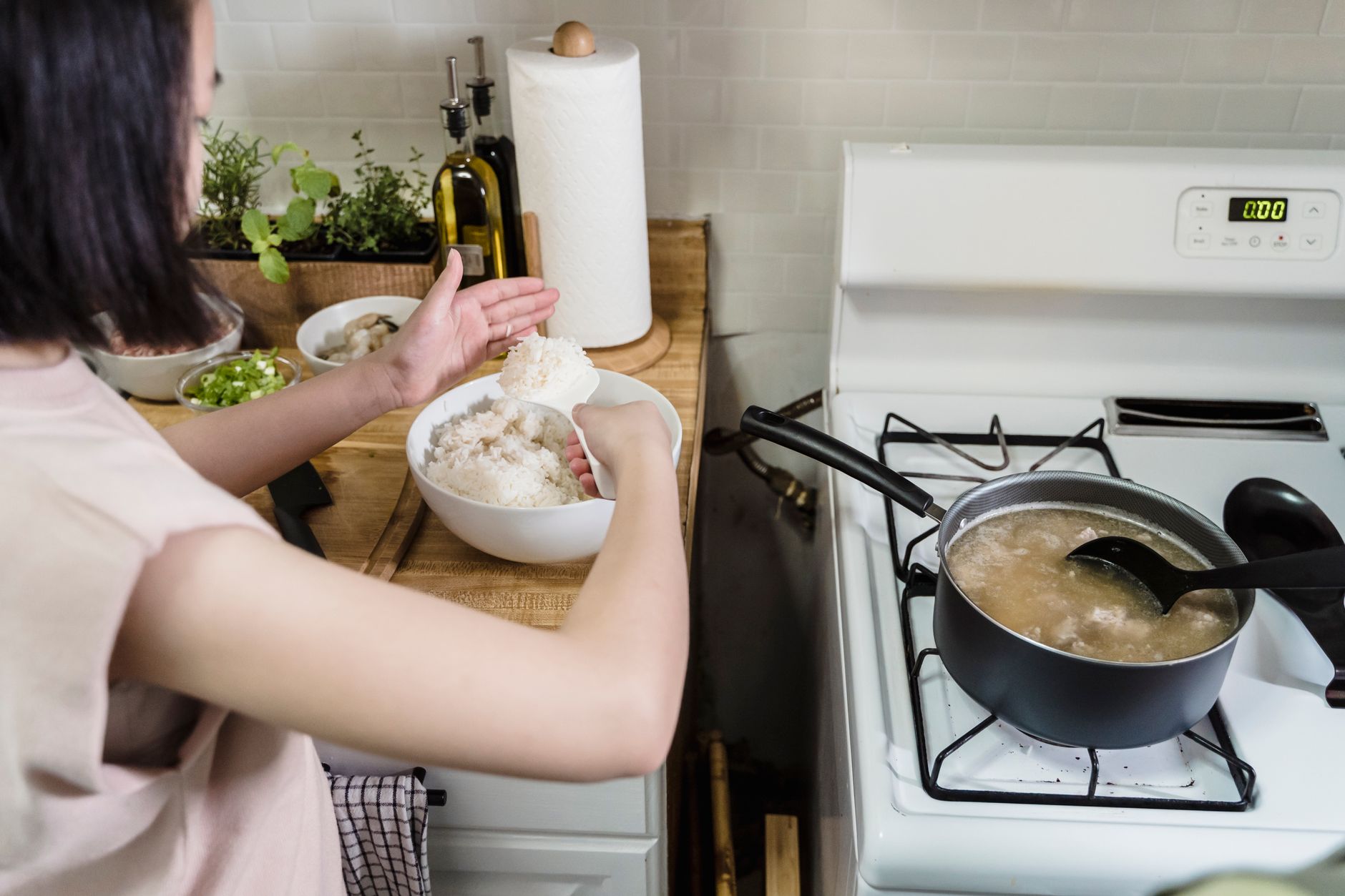
Cooking rice is a fundamental skill in kitchens around the world, serving as a staple in various cuisines. However, one common question many face is: how many cups of water do you need for 1 cup of rice? This simple query can lead to delicious results when you understand the techniques involved.
The answer varies based on the type of rice and cooking method. Understanding the correct water-to-rice ratio is crucial for achieving the right texture and flavor. This comprehensive guide will explore the various rice types, cooking methods, and key tips to master the perfect pot of rice.
How Many Cups Of Water For 1 Cup Of Rice?
The standard water-to-rice ratio for most white rice is typically 2 cups of water for every 1 cup of rice. For brown rice, the ratio is usually 2.5 to 3 cups of water for 1 cup of rice. Factors like cooking method, type of rice, and personal preferences can influence the exact measurement.
Understanding Rice Varieties
Before determining the water requirements, it’s essential to understand the different types of rice. Each variety has unique characteristics that affect its cooking time and water absorption capacity.
White Rice
This is perhaps the most common variety. White rice is refined, with the bran and gluten removed, which leads to quicker cooking times and a fluffy texture. Examples include:
- Long-grain rice (e.g., Basmati or Jasmine)
- Medium-grain rice (e.g., Arborio, often used in risotto)
- Short-grain rice (e.g., Sushi rice, sticky and tender)
Brown Rice
Brown rice is a whole grain with the bran and germ layers intact. It has a chewier texture and nutty flavor, requiring a longer cooking time and more water.
Other Varieties
Other rice varieties include:
- Wild rice: More grain-like and requires a different water-to-rice ratio (approximately 3 cups of water for 1 cup).
- Arborio rice: A short, starchy variety used in risottos, requiring a specific cooking method rather than just boiling.
- Jasmine rice: A fragrant long-grain rice that typically uses a 1:1.5 ratio of rice to water.
Water-to-Rice Ratios for Various Types of Rice
Here are standard water-to-rice ratios for common rice types:
| Type of Rice | Water-to-Rice Ratio | Cooking Time |
|---|---|---|
| White Rice (Long & Medium Grain) | 2:1 | 15-20 minutes |
| Short Grain Rice (Sushi Rice) | 1.5:1 | 15-20 minutes |
| Brown Rice | 2.5-3:1 | 40-50 minutes |
| Wild Rice | 3:1 | 45-60 minutes |
| Arborio Rice | Varies (adding water gradually) | 20 minutes (approx.) |
| Jasmine Rice | 1.5:1 | 15-20 minutes |
Cooking Techniques
The method you choose to cook rice can also affect the amount of water required. Here are some popular techniques:
Stovetop Cooking
- Measure the rice: Use a measuring cup to measure the required amount of rice.
- Wash the rice: Rinse the rice under cold water until the water runs clear to remove excess starch.
- Combine with water: Add the appropriate amount of water to the rice in a pot. For white long-grain rice, use a 2:1 ratio.
- Bring to a boil: Cover the pot and bring the water to a rolling boil over medium-high heat.
- Reduce heat: Once boiling, reduce the heat to low and let it simmer for 15-20 minutes for white rice or 40-50 minutes for brown rice.
- Stand and fluff: After the cooking time, remove from heat and let it sit for 5-10 minutes. Fluff with a fork before serving.
Rice Cooker Method
A rice cooker simplifies the process and often has specific lines indicating water levels for various types of rice:
- Measure and rinse the rice as before.
- Add the rice to the cooker and pour in the proper amount of water, following the ratios provided.
- Close the lid and start the machine.
- When finished, let it sit for a few minutes before fluffing.
Microwave Method
If you’re short on time or kitchen equipment, you can also cook rice in the microwave:
- Combine rice and water in a microwave-safe bowl. Use a 2:1 ratio for white rice.
- Cover the bowl with a microwave-safe lid, leaving space for steam to escape.
- Microwave on high for 10-12 minutes, or until water is absorbed.
- Let it stand for 5 minutes covered, then fluff with a fork.
Common Mistakes to Avoid
Cooking rice can seem simple, but a few common errors can lead to less-than-ideal results. Here are tips to avoid these pitfalls:
- Not measuring accurately: Ensuring the correct water-to-rice ratio is essential. Consider using a digital scale for precision.
- Skipping rinsing: Failing to rinse rice can lead to overly sticky or gummy rice due to excess starch.
- Removing the lid too soon: If you lift the lid during cooking, steam escapes, affecting cooking time and texture.
- Not letting rice stand: Allowing cooked rice to sit covered off the heat allows for even steam distribution.
Adjusting for Taste and Preference
Adjustments can be made to suit personal taste preferences and cooking styles:
Flavor Enhancements
You can enhance the flavor of rice by using broth instead of water, adding herbs, or including aromatics like garlic or onion. These variations can add depth to simple steamed rice.
Cooking on a Higher Heat
Cooking rice at a higher heat can reduce cooking time, but it might also lead to uneven cooking. Keep an eye on the water level to prevent burning.
Post-Cooking Additions
Consider incorporating additional ingredients after cooking for texture and flavor. Nuts, vegetables, or proteins can make rice a more complete dish.
Serving Suggestions
Rice serves as a versatile base for many dishes. Here are a few serving ideas:
- Pair with stir-fried vegetables and protein for a balanced meal.
- Use as a foundation for curry or sauce-based dishes.
- Form into rice bowls topped with fresh ingredients for a vibrant meal.
Make-Ahead Tips
Prepare rice in advance for easy meals later on:
- Cook a large batch and store it in an airtight container in the fridge for up to 5 days.
- Freeze cooked rice in portion sizes for longer storage, allowing for quick reheating.
- Reheat rice in the microwave with a splash of water to revive its moisture.
Storage and Reheating Guidance
Proper storage and reheating ensure food safety and maintain rice quality:
- Refrigerate leftover rice within two hours of cooking to prevent bacterial growth.
- Store rice in shallow containers to cool quickly and evenly.
- When reheating, ensure it reaches an internal temperature of 165°F to ensure it is safe to eat.
Conclusion
Determining how many cups of water to use for 1 cup of rice depends largely on the type of rice and cooking method you’re using. By following the guidelines outlined in this article, you’ll be well on your way to mastering a fundamental kitchen skill.
Explore more cooking tips and techniques to refine your culinary skills. Check out our Instant Pot Brown Rice Recipe for a fuss-free method and our Puerto Rican Rice Recipe for a flavorful variation. Happy cooking!