
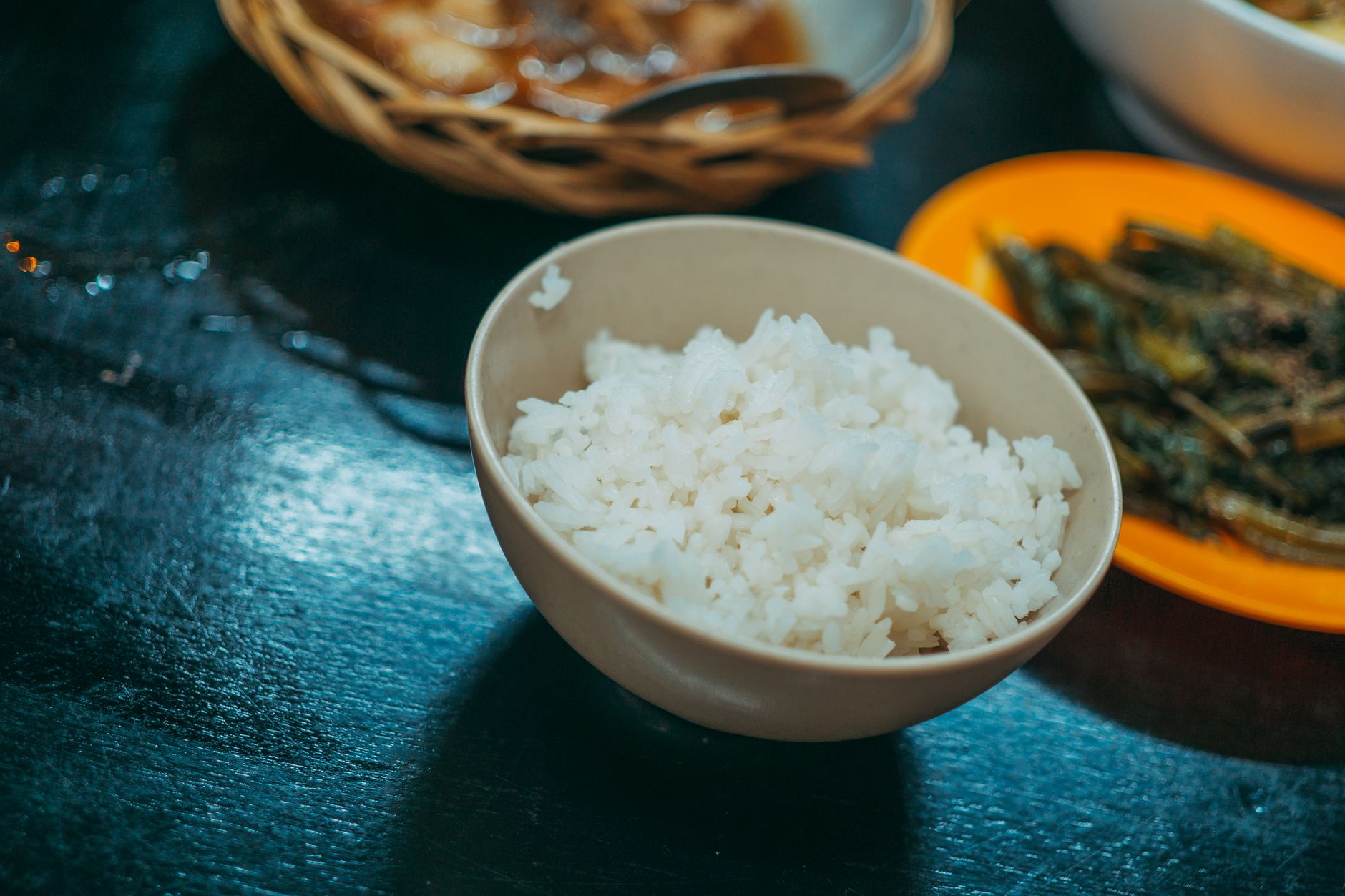
Rice is a staple food for many cultures around the world, cherished for its versatility and capacity to absorb flavors. Cooking rice may seem simple, but achieving perfectly fluffy grains requires attention to detail regarding water ratios, cooking times, and techniques.
This guide will provide you with the essential ingredients, methods, and tips to make rice at home, whether you prefer white, brown, or flavored variations. By the end, you will have all the knowledge needed to prepare rice that complements any dish.
How To Make Rice?
Making rice involves understanding the right water-to-rice ratios, cooking methods, and timing. You can create perfectly cooked rice by following some simple steps. This guide covers various types of rice, essential equipment, and helpful tips to enhance your cooking experience.
Choosing Your Rice
Before diving into the cooking process, it’s important to choose the right type of rice based on your dish and preference. Here are some common varieties:
- Long-Grain Rice: Varieties such as Basmati or Jasmine have a fluffy texture and tend to stay separate when cooked. Ideal for side dishes and stir-fries.
- Medium-Grain Rice: This type, including Arborio, is creamier and is commonly used in risottos. It has a slightly sticky texture.
- Short-Grain Rice: Sushi rice and glutinous rice fall into this category. They are sticky and are excellent for sushi, rice puddings, and Asian dishes.
- Brown Rice: This whole grain retains its bran and germ, giving it more nutrients. It has a nuttier flavor and takes longer to cook.
Ingredients for Cooking Rice
Cooking rice is straightforward, requiring minimal ingredients. Here’s what you’ll need:
- Rice: Select the type that suits your dish.
- Water: The amount varies depending on the rice type. Typically, white rice requires about 1.5 to 2 cups of water per cup of rice, while brown rice needs about 2.5 cups.
- Salt (optional): For flavor, usually about 1/2 teaspoon per cup of water.
- Butter or Oil (optional): Adding a tablespoon can enhance flavor and texture.
Essential Equipment for Cooking Rice
To make rice effectively, you will need the following equipment:
- Measuring Cups: For accurate measurements of rice and water.
- Medium or Large Pot with Lid: A pot that distributes heat evenly will ensure thorough cooking.
- Stirring Spoon: Use a wooden or silicone spoon to avoid scratching your pot.
- Strainer or Sieve (for rinsing rice): Optional but recommended for certain types of rice.
Method to Cook Rice
The basic method to cook rice involves rinsing, measuring, boiling, and letting it steam. Here’s a step-by-step guide:
- Rinse the Rice: Start by rinsing the rice under cold water in a strainer or sieve. This removes excess starch and can prevent the rice from becoming gummy. Rinse until the water runs clear.
- Measure Water: Using the appropriate water-to-rice ratio, measure the water into a pot. For example, use 2 cups of water for every cup of long-grain white rice.
- Add Salt and Oil: If using, add salt and a tablespoon of oil or butter to the water. This step enhances the flavor.
- Boil the Water: Place the pot on the stove over high heat. Bring the water to a rolling boil.
- Add Rice: Once boiling, add the rinsed rice to the pot. Stir once to prevent sticking, then return to a boil.
- Simmer: Reduce the heat to low, cover the pot with a lid, and let it simmer. Cooking times will vary depending on the rice type:
- White rice: 15-20 minutes
- Brown rice: 40-50 minutes
- Check Doneness: After the cooking time has passed, check if the rice is tender and has absorbed all the water. If the rice is still firm and there’s water left, cover and cook for another few minutes.
- Remove from Heat: Once done, remove the pot from the heat and let it sit covered for 10 minutes. This allows the rice to finish cooking and absorb any remaining moisture.
- Fluff the Rice: After sitting, remove the lid and fluff the rice with a fork to separate the grains.
Common Mistakes to Avoid When Cooking Rice
Even though cooking rice is straightforward, common mistakes can affect the final outcome:
- Overwashing or Undercooking Rice: Rinsing rice too much can remove essential nutrients, while undercooking can lead to hard or crunchy textures.
- Not Measuring Water Accurately: The right water ratio is crucial for perfectly cooked rice.
- Removing the Lid Too Soon: Lifting the lid can disrupt the steaming process, affecting the final texture.
Flavored Rice Variations
Plain rice is delicious, but you can elevate your dish by enhancing the flavor. Here are some ideas:
- Herb-Infused Rice: Add fresh herbs like parsley, cilantro, or basil during cooking for a fragrant side dish.
- Coconut Rice: Substitute some water with coconut milk for a tropical twist.
- Spiced Rice: Consider adding spices like cumin, turmeric, or cinnamon to the cooking water for an aromatic flavor.
Serving Suggestions
The way rice is served can enhance any meal. Here are suggestions:
- As a Base: Use rice as a base for stir-fries, curries, stews, and grain bowls.
- In Salads: Cold rice blends well into salads, adding texture to various dishes.
- As a Side Dish: Serve rice alongside grilled meats, roasted vegetables, or seafood.
Make-Ahead Guidance
Cooking rice in bulk can save time during busy weekdays. Here’s how to do it:
- Batch Cooking: Prepare a large batch of rice and store it in the refrigerator for up to four days.
- Freezing Leftovers: Freeze individual portions in airtight containers for up to three months. Label with the date.
- Reheating: Reheat in a microwave with a splash of water to steam it back to fluffiness. Cover while reheating to trap the steam.
Storage Tips
Proper storage of rice ensures its freshness and safety:
- Uncooked Rice: Store in a cool, dry place in an airtight container. Brown rice has a shorter shelf life due to its oil content, so use it within six months.
- Cooked Rice: Refrigerate cooked rice in an airtight container within two hours of cooking. Consume within 3-5 days.
Common Substitutions
If you need to replace certain ingredients, here are some reliable substitutions:
- Rice Type Substitution: If you’re out of rice, quinoa or couscous can be excellent alternatives, though cooking times and water ratios will differ.
- Water Substitutions: Broth or stock can be used in place of water for added flavor.
Nutritional Considerations
Rice can fit into various dietary plans. For those monitoring their carbohydrate intake, paying attention to portion size and choosing whole grains, like brown rice, is important. This whole grain variety offers more fiber and nutrients compared to white rice.
Conclusion
Making rice at home is a simple yet rewarding process that can enhance any meal. Understanding the types of rice, proper cooking methods, and how to flavor it can turn a basic side dish into an extraordinary one. Now that you have a clear guide on how to cook rice, you can experiment with different flavors and serve it alongside your favorite dishes.
To explore more about cooking rice or discover delicious recipes, consider checking out our guide on how many cups of water for 1 cup of rice or dive into the flavors of Puerto Rican rice recipe.