
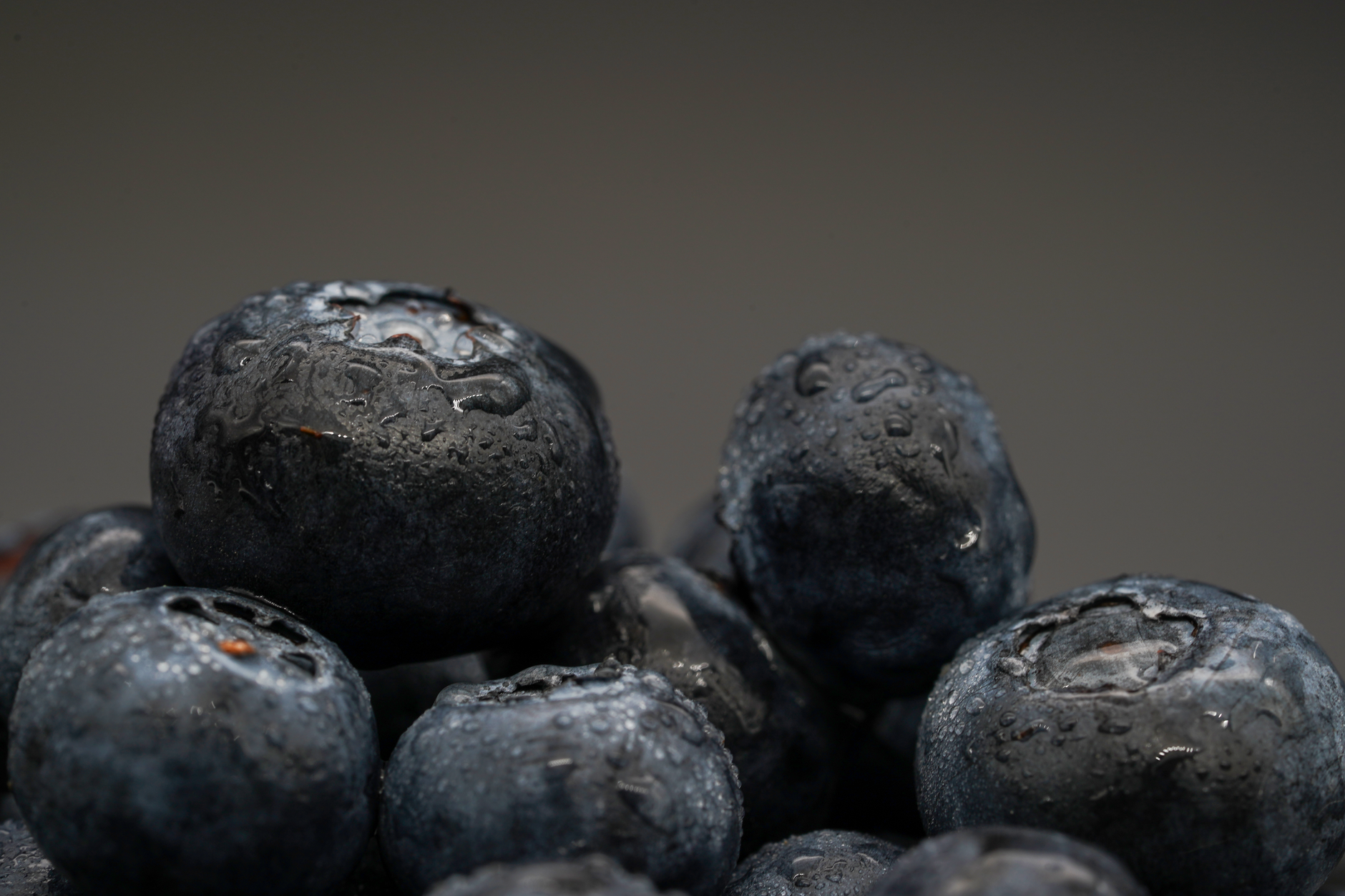
Many chicken owners and backyard farmers often wonder if they can treat their feathered friends to blueberries. This small, nutrient-rich berry is not only delicious for humans but also has several benefits for chickens. In this article, we will explore the safety, nutritional benefits, and methods of providing blueberries to your flock, along with tips for incorporating them into their diet.
Chickens are omnivores, and a diverse diet plays a crucial role in their health and egg production. Understanding how to properly introduce blueberries into their meals can enhance their diet and promote overall well-being. Let’s delve deeper into what makes blueberries a suitable snack for chickens.
Can Chickens Have Blueberries?
Yes, chickens can safely eat blueberries. These berries are not only safe but also offer various health benefits, making them a great treat for your flock. The key is moderation, as with any treat, so as to maintain a balanced diet.
Nutritional Benefits of Blueberries for Chickens
Blueberries are packed with essential nutrients that can support the health of chickens. Here are some key benefits:
- Vitamins: Blueberries are rich in vitamins C and K. Vitamin C can help bolster the immune system, while vitamin K is essential for blood clotting and bone health.
- Antioxidants: These berries contain significant amounts of antioxidants, which can help mitigate oxidative stress and inflammation in chickens.
- Fiber: Fiber aids in digestion and can help prevent common digestive issues in chickens.
- Low-Calorie Treat: Blueberries are low in calories, making them a great weight-friendly treat.
How to Introduce Blueberries into a Chicken’s Diet
When introducing any new food to a chicken’s diet, it’s important to do so gradually. Here’s how you can safely incorporate blueberries:
- Start Small: Begin with a few berries to see how your chickens react. Monitor them for any adverse reactions.
- Fresh vs. Frozen: Fresh blueberries are recommended, but frozen blueberries can also be offered as a summer treat. Ensure they are thawed before serving.
- Feed Moderately: Limit blueberries to a small portion of their overall diet, about 10% of their food intake. A handful per chicken per week is generally acceptable.
- Mix with Other Foods: Consider mixing blueberries with their regular feed or offering them alongside other treats to create a balanced snack.
Different Ways to Serve Blueberries to Chickens
There are several creative ways to present blueberries to your chickens, each of which can engage their natural behaviors:
Fresh Blueberries
The simplest way to offer blueberries is to serve them fresh. Toss a handful of berries into their run or feed area. Chickens enjoy foraging, and this will encourage natural pecking and hunting behaviors.
Frozen Blueberries
In warmer seasons, frozen blueberries can be an excellent refreshing treat. Place some frozen blueberries in a bowl or scatter them in their enclosure. The coolness can be appealing on hot days.
Blueberry Mash
Create a blueberry mash by crushing a small amount of blueberries and mixing them with some scratch grains or their regular feed. This method can help ensure all chickens, especially those lower in the pecking order, get a share.
Frozen Blueberry Treats
For a more elaborate treat, you can make frozen blueberry treats. Blend fresh blueberries with plain yogurt and freeze them in an ice cube tray. Once frozen, offer one cube to your chickens on hot days for a cool snack.
Common Mistakes When Feeding Blueberries to Chickens
While blueberries can be a beneficial addition to your chickens’ diet, there are a few common mistakes to avoid:
- Overfeeding: Do not overfeed blueberries as it can lead to digestive upset. Always observe portion sizes.
- Ignoring Freshness: Ensure that the blueberries are fresh and free from mold. Moldy food can be toxic to chickens.
- Relying Solely on Treats: Treats should only make up a small percentage of chickens’ diets. Maintain a balance with their main feed.
Potential Health Issues and Precautions
Although blueberries are generally safe, be aware of a few health precautions:
- Allergies: Some chickens may be allergic to certain berries. If you notice any signs of distress, such as diarrhea or lethargy, discontinue feeding.
- High Sugar Content: Blueberries do contain natural sugars, which could lead to obesity if fed in excess.
Frequently Asked Questions
Can chickens eat dried blueberries?
Chickens can have dried blueberries in moderation. However, ensure they are unsweetened, as added sugars can harm their health. Dried fruit is generally higher in sugar concentration than fresh fruit, so limit the amount given.
How should I store blueberries for my chickens?
Store blueberries in a cool, dry place, preferably in the refrigerator to maintain freshness. Wash them before serving, and any uneaten berries from the chickens’ food area should be removed to prevent spoilage.
Are there any other berries that chickens can eat?
Yes, chickens can also enjoy strawberries, raspberries, and blackberries. Like blueberries, the serving size should be moderated to ensure a balanced diet.
Conclusion
Blueberries are a flavorful and nutritious treat for chickens that can help support their overall health. When introduced properly and served in moderation, these berries can offer several benefits while adding variety to your hens’ diet. Experiment with different serving methods and enjoy watching your chickens relish this delightful treat!
For more information on how long blueberries last, visit our guide on blueberry storage. If you’re curious about serving sizes, check out our article on blueberry servings.