
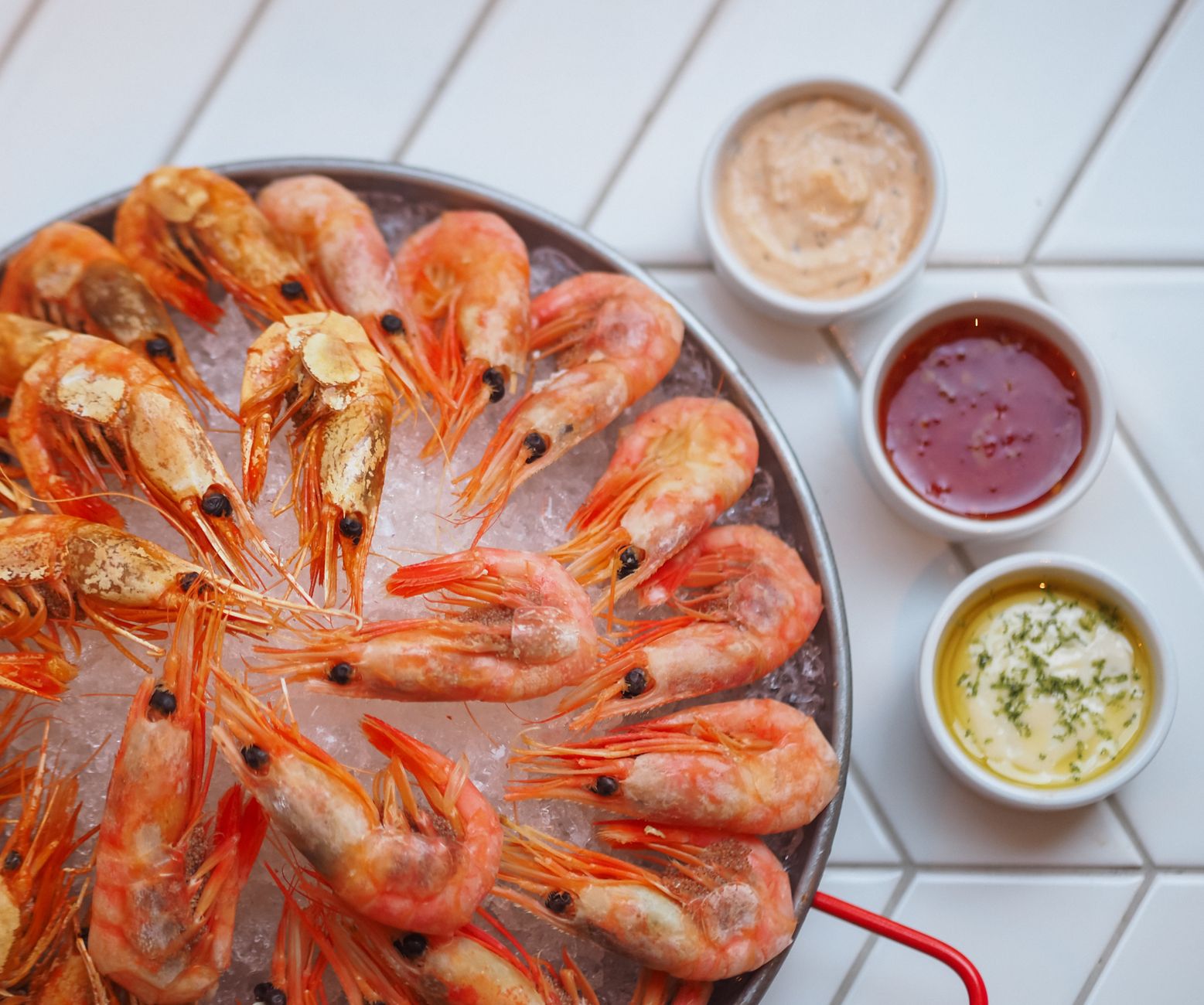
Shrimp is a popular seafood choice enjoyed for its delicate flavor and versatility in a variety of dishes. However, when considering dietary choices, many people are concerned about cholesterol levels in foods, particularly seafood like shrimp. Understanding shrimp’s cholesterol content can help you make informed decisions about incorporating it into your meals.
This article will explore whether shrimp has cholesterol, how it fits into a balanced diet, and tips for cooking and preparing shrimp in delicious and healthful ways. Let’s dive into the specifics of shrimp and its nutritional profile.
Does Shrimp Have Cholesterol?
Yes, shrimp does contain cholesterol. A standard serving of shrimp (approximately 3 ounces) contains around 166 mg of cholesterol. While this is higher than some other protein sources, the overall impact on heart health may depend on various factors including dietary choices and lifestyle.
Understanding Cholesterol in Food
To fully grasp the implications of cholesterol found in shrimp, it helps to understand what cholesterol is and why it matters. Cholesterol is a waxy substance found in every cell of the body and is essential for the production of hormones, vitamin D, and substances that help digest foods. However, maintaining healthy cholesterol levels is crucial, as high levels can lead to health issues.
Types of Cholesterol
There are two primary types of cholesterol in your body: low-density lipoprotein (LDL) and high-density lipoprotein (HDL). LDL is often referred to as “bad” cholesterol because high levels can lead to plaque buildup in arteries, increasing the risk of heart disease. HDL, on the other hand, is known as “good” cholesterol as it helps remove LDL from the bloodstream. Managing these cholesterol levels is vital for cardiovascular health.
Impact of Dietary Cholesterol
For a long time, dietary cholesterol was seen as a major contributor to high blood cholesterol levels. Recent research, however, indicates that for most people, saturated fat and trans fats have a more significant impact on blood cholesterol levels than dietary cholesterol itself. That said, some individuals may be more sensitive to dietary cholesterol and should monitor their intake accordingly.
Nutritional Profile of Shrimp
Beyond cholesterol, shrimp offers several nutritional benefits that make it a great addition to a healthy diet. Here’s a breakdown of its nutrient composition per 3-ounce serving:
- Calories: Approximately 84
- Protein: 18 grams
- Fat: 1 gram
- Carbohydrates: 0 grams
- Cholesterol: 166 mg
- Sodium: 1 mg
- Vitamin B12: 1.5 µg (25% DV)
- Selenium: 40 µg (57% DV)
- Iron: 1.5 mg (8% DV)
As highlighted, shrimp is low in calories, high in protein, and rich in essential vitamins and minerals, including vitamin B12 and selenium. These factors contribute to shrimp’s reputation as a healthful seafood choice when enjoyed in moderation.
Health Benefits of Eating Shrimp
In addition to being a source of high-quality protein and essential nutrients, shrimp offers several health benefits:
1. Low in Calories and High in Protein
Due to its low caloric content and high protein levels, shrimp makes for an excellent lean protein option. This means you can enjoy shrimp without excessive calorie intake, making it a suitable choice for those aiming to maintain or lose weight.
2. Source of Omega-3 Fatty Acids
Shrimp contains omega-3 fatty acids, which are known for their heart health benefits. Omega-3s can help reduce inflammation, lower blood pressure, and support overall cardiovascular health.
3. Rich in Antioxidants
Shrimp contains an antioxidant called astaxanthin, which gives shrimp its pink color. Antioxidants play a crucial role in protecting cells from damage caused by free radicals, contributing to overall health and potentially reducing the risk of chronic diseases.
4. Nutrient Dense
Shrimp provides a wide range of essential vitamins and minerals, which can support various body functions. For example, the high vitamin B12 content is vital for energy production and maintaining healthy nerve cells.
How to Include Shrimp in Your Diet
Add shrimp to your diet smartly and enjoy its flavor while controlling cholesterol intake. Here are some suggestions to incorporate shrimp into your meals:
1. Grilled Shrimp Skewers
Marinate shrimp in olive oil, lemon juice, garlic, and herbs. After a brief soak, grill them on skewers for a quick and satisfying meal.
2. Shrimp Stir-Fry
Sauté shrimp with a variety of colorful vegetables and a light sauce for a quick and nutritious stir-fry. This method retains nutrients and adds vibrant flavors to your dish.
3. Shrimp Salads
Top a fresh salad with boiled or grilled shrimp for a light meal. Consider pairing with a vinaigrette made from olive oil and balsamic vinegar for a healthy dressing option.
4. Shrimp Tacos
Wrap shrimp in a corn tortilla with slaw and avocado for a tasty and nutritious twist on taco night. You can use spices and fresh herbs for added flavor.
Cooking Technique for Perfect Shrimp
Cooking shrimp can be simple, but it’s essential to ensure it remains tender and juicy. Here are some key tips for cooking shrimp:
Choosing Fresh Shrimp
Select fresh or frozen shrimp that are firm, smell clean, and have a slight salty ocean aroma. If using frozen shrimp, thaw in the refrigerator or under cold running water before cooking.
Cooking Time
Shrimp cooks quickly. Depending on the cooking method, it can take just 2-4 minutes to become done. Cook until the shrimp turn pink and opaque for the best texture. Overcooking can lead to a rubbery texture, so keep an eye on your shrimp.
Common Cooking Methods
- Boiling: Place shrimp in boiling water for 2-3 minutes until they turn pink. Drain immediately.
- Sautéing: Heat oil in a skillet over medium heat and add shrimp for 2-3 minutes until fully cooked.
- Grilling: Skewer shrimp and grill for 2-3 minutes per side until they are pink and cooked through.
- Baking: Bake shrimp at 400°F (200°C) for 8-10 minutes, depending on size, until pink and opaque.
Consult a food thermometer for precise cooking; shrimp should reach an internal temperature of 145°F (63°C).
Storing Shrimp Safely
To maintain shrimp freshness and avoid spoilage, proper storage is essential:
- Fresh Shrimp: Refrigerate fresh shrimp in a covered container and consume within 1-2 days of purchase.
- Cooked Shrimp: Store cooked shrimp in an airtight container in the refrigerator and consume within 3-4 days.
- Frozen Shrimp: Keep frozen shrimp in the freezer until ready to use. Thaw in the refrigerator before cooking.
Possible Concerns and Considerations
While shrimp may be included in a healthful diet, it’s important to keep some considerations in mind:
1. Allergies
Shellfish allergies are common and can lead to severe reactions. Individuals with known allergies should avoid shrimp and other shellfish entirely.
2. Sourcing Shrimp
Consider where your shrimp comes from. Farmed shrimp can sometimes contain additives or chemicals. Opt for wild-caught or sustainably sourced shrimp when possible to ensure quality and safety.
3. Moderation
While shrimp offers health benefits, it’s important to consume it in moderation. Balance your diet with a variety of protein sources, including fish, poultry, legumes, and nuts, to meet nutritional needs.
Recipe Ideas Featuring Shrimp
Here are two recipes that highlight shrimp while keeping your diet well-rounded and delicious:
Creamy Coconut Shrimp
This dish combines shrimp with a creamy coconut sauce for a tropical twist. Pair with rice for a satisfying meal.
Shrimp Curry
Indulge in a fragrant shrimp curry that is packed with flavor. Aromatic spices allow you to enjoy shrimp while boosting your immune system.
In summary, shrimp does contain cholesterol, but it also has health benefits that can contribute positively to your diet when consumed mindfully. Focus on sourcing quality shrimp, keep portion sizes reasonable, and prepare it using a variety of cooking techniques to enjoy its flavor and benefits.
If you’re interested in exploring more delicious seafood options and meal ideas, check out our guides and recipes for additional inspiration in your culinary adventures.