
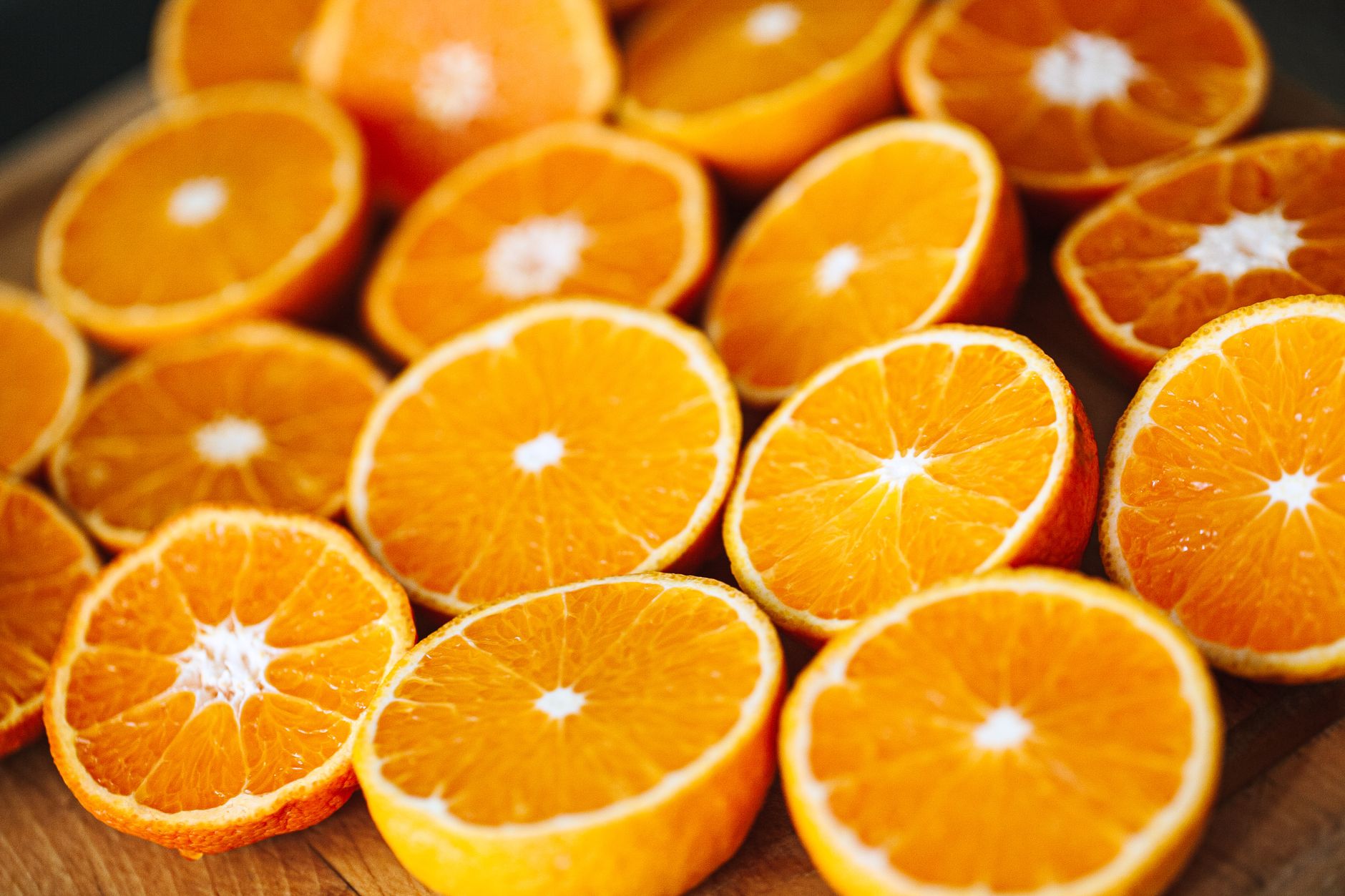
Oranges are celebrated for their vibrant flavor, refreshing juiciness, and impressive vitamin C content. Many people wonder if these citrus fruits contain iron, an essential mineral for health. Discovering the nutritional profile of oranges, their iron content, and how to include them in your diet can enhance your meals and overall well-being.
This article delves deep into the topic of oranges and their iron content. We will explore the nutritional facts, serving sizes, and practical ways to incorporate oranges into your diet, ensuring you reap all their benefits while maintaining balanced nutrition.
Do Oranges Have Iron?
Yes, oranges do contain iron, but in relatively small amounts compared to other foods. A medium-sized orange typically has about 0.1 mg of iron. While this is not a significant source, understanding the role of oranges in a balanced diet can help you effectively combine them with iron-rich foods for optimal health.
Nutritional Profile of Oranges
Beyond their iron content, oranges are packed with other essential nutrients. Here’s a comprehensive look at their nutritional profile:
| Nutrient | Amount (per medium-sized orange, about 131g) |
|---|---|
| Calories | 62 |
| Carbohydrates | 15.4g |
| Fiber | 3.1g |
| Sugar | 12.2g |
| Protein | 1.2g |
| Fat | 0.2g |
| Vitamin C | 70 mg (78% DV) |
| Folate | 40 mcg (10% DV) |
| Calcium | 52 mg (5% DV) |
| Iron | 0.1 mg (1% DV) |
Iron in the Diet: Importance and Sources
Iron is crucial for producing hemoglobin, which carries oxygen in the blood. It also supports healthy immune function and is vital for various bodily processes. The recommended dietary allowance (RDA) for iron varies by age, gender, and lifestyle factors:
- Men (ages 19-50): 8 mg
- Women (ages 19-50): 18 mg
- Pregnant women: 27 mg
- Women (51 years and older): 8 mg
Considering that oranges contain a small amount of iron, it’s essential to complement them with richer sources of iron. Foods high in iron include:
- Red meats (beef, lamb)
- Poultry (chicken, turkey)
- Fish (tuna, salmon)
- Legumes (lentils, chickpeas, beans)
- Nuts and seeds (pumpkin seeds, cashews)
- Leafy green vegetables (spinach, kale)
- Fortified cereals and grains
How to Incorporate Oranges into Your Diet
Including oranges in your diet can enhance both flavor and nutritional diversity. Here are a few practical ways to enjoy oranges:
Fresh Orange Snacks
Simply peel and enjoy oranges as a refreshing snack. They are perfect for a quick energy boost and are easy to pack for on-the-go eating.
Salads with Oranges
Add sections of orange to salads for a sweet and tangy flavor. They pair especially well with spinach, nuts, and feta cheese, creating a deliciously balanced dish.
Orange Juice
Freshly squeezed orange juice can be a great way to start your day, but remember that this can be higher in sugar and lower in fiber than eating the whole fruit.
Baking with Oranges
Oranges can be used in various baked goods. Consider adding orange zest or juice to muffins, cakes, or scones for an aromatic twist.
Jams and Jellies
Using oranges to make jams or jellies can be a delightful way to preserve their flavor, offering an excellent addition to breakfast options like toast or pancakes.
Cooking and Baking Tips Using Oranges
Using oranges in cooking and baking can elevate dishes in both taste and presentation. Here are some tips for working with oranges:
- When zesting an orange, use a microplane grater to achieve fine zest that enhances the flavor without adding bitterness.
- To segment an orange, cut off the top and bottom, then carefully slice away the peeling by following the curve of the fruit. Use a knife to cut the segments from the membrane.
- In recipes, consider substituting orange juice in glazes and marinades to add flavor in savory dishes.
Practical Substitutions for Oranges
If you find yourself out of oranges or looking for alternatives, consider these substitutions:
- Grapefruit: Offers a similar tartness and vitamin C content but with a different flavor profile.
- Mandarins: Sweeter and smaller than oranges, they make excellent snacks and can be used interchangeably in salads.
- Lemons: When seeking acidity in recipes, lemons can provide a similar tang, though they are less sweet.
Common Mistakes When Working with Oranges
To avoid mishaps that could affect the taste or texture of your dishes, keep the following tips in mind:
- Don’t store oranges in a sealed plastic bag, as this can trap moisture and lead to spoilage. Instead, keep them in a cool, dry place.
- When juicing oranges, roll them on a countertop before cutting. This releases more juice.
- Avoid using overly ripe or overly firm oranges in recipes where freshness is key to flavor.
Storing Oranges
To maximize freshness and flavor, store oranges properly:
- Keep oranges at room temperature if consumed within a week. For longer storage, place them in the refrigerator, where they can last up to a month.
- Avoid placing oranges near other fruits like apples or bananas, as they produce ethylene gas, which can speed up ripening.
- If you’ve cut an orange, wrap it tightly in plastic wrap and refrigerate to prevent drying.
Cooking Techniques with Oranges
Here are some methods for cooking with oranges that elevate your culinary creations:
Glazing
Using orange juice or zest in glazes lends a sweet, citrusy note. Combine orange juice with honey or maple syrup and reduce it on low heat until thickened.
Infusing
Infuse creams or broths with orange zest. Simmer heavy cream with orange zest over low heat, then strain before adding to desserts, providing a unique flavor.
Roasting
Oranges can be roasted alongside meats (like chicken or pork) to enhance savory dishes. The natural sugars in the fruit caramelize, creating a delightful glaze.
Health Benefits of Oranges
While the iron content in oranges is modest, the fruit offers several health benefits:
- Rich in Vitamin C, supporting skin and immune health.
- Contains antioxidants that protect against cellular damage.
- High fiber content promotes digestive health and can aid in maintaining a healthy weight.
Conclusion
Oranges, with their minimal iron content and high levels of vitamin C and antioxidants, are a wonderful addition to a balanced diet. While they are not a primary source of iron, enjoying them alongside iron-rich foods can contribute to overall nutrition.
For the next step, consider exploring further topics such as what other foods provide iron or creative ways to incorporate chia seeds into your meals by visiting our guides on what has iron and chia pudding with coconut milk.