
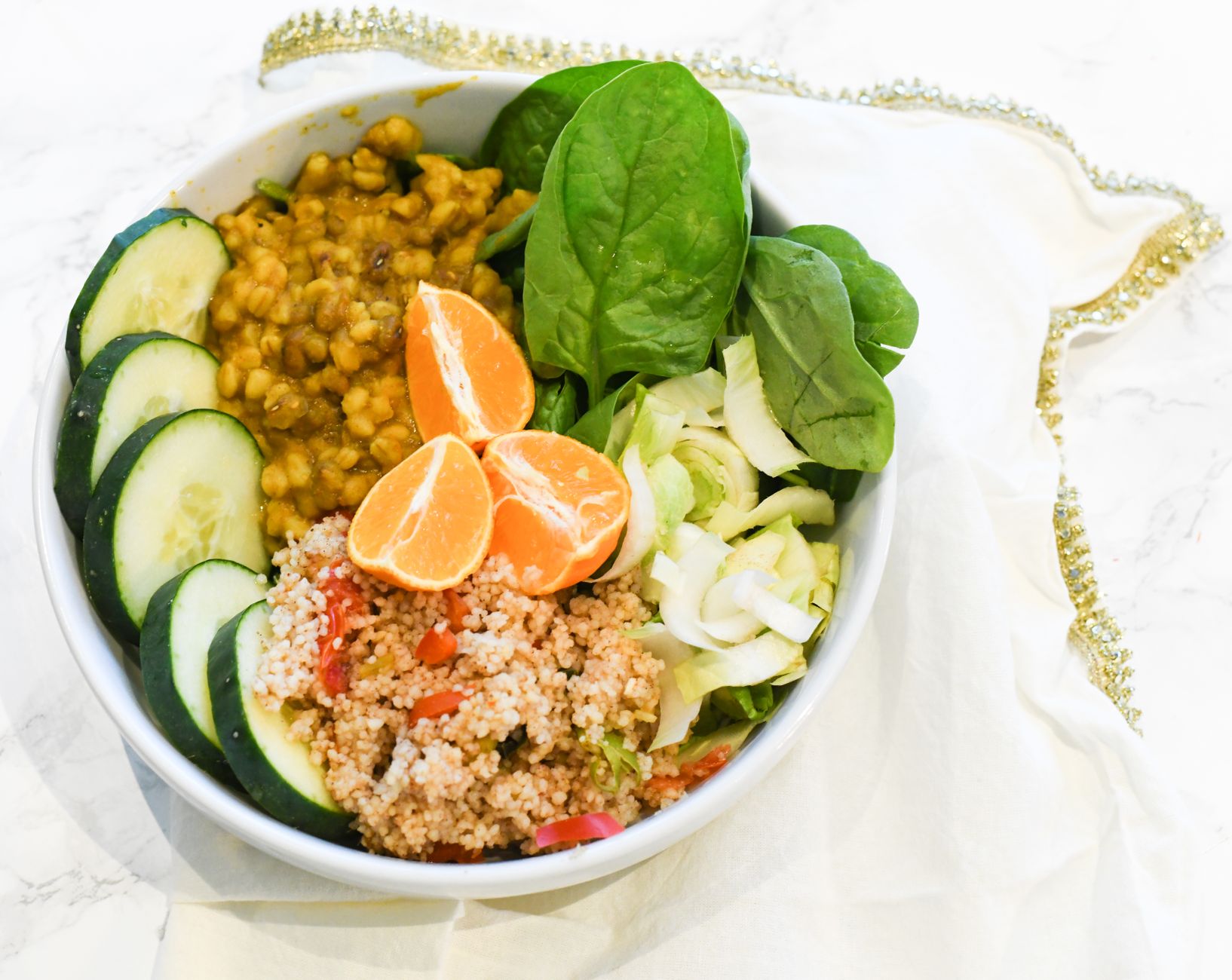
Iron is an essential mineral that plays a crucial role in numerous bodily functions, including the formation of red blood cells and the transport of oxygen. Understanding what foods are high in iron can help you maintain a balanced diet and prevent deficiencies. This article explores various iron-rich foods, their preparations, substitutions, and how to incorporate them into your meals.
Iron is found in two forms: heme iron, which is derived from animal sources, and non-heme iron, found in plants and fortified foods. By focusing on both types, you can effectively boost your iron intake.
What Has Iron?
Many foods are excellent sources of iron, ranging from meats to legumes and vegetables. Here are some of the best options:
Animal Sources of Heme Iron
- Red Meat: Beef and lamb are particularly high in heme iron. A 3-ounce serving of beef may contain approximately 2.1 mg of iron, while lamb provides around 1.6 mg.
- Poultry: Chicken and turkey, especially dark meat, offer a decent amount of iron. A 3-ounce serving of cooked chicken thigh provides about 1.2 mg of iron.
- Fish and Seafood: Shellfish like clams, oysters, and mussels are extremely rich in iron. For instance, 3 ounces of cooked clams contain about 23.8 mg of iron.
- Organ Meats: Liver, particularly beef liver, is a powerhouse of nutrients. Just one slice (approximately 3 ounces) can yield about 5.2 mg of iron.
Plant Sources of Non-Heme Iron
- Legumes: Lentils, chickpeas, and beans are packed with iron. One cup of cooked lentils contains around 6.6 mg of iron, making it an excellent option for vegetarians and vegans.
- Dark Leafy Greens: Spinach, kale, and Swiss chard contain iron, but their absorption is enhanced when cooked. One cup of cooked spinach has about 6.4 mg of iron.
- Nuts and Seeds: Pumpkin seeds, cashews, and hemp seeds are great snack options. A single ounce of pumpkin seeds provides about 2.5 mg of iron.
- Grains: Many whole grains, like quinoa and oatmeal, are good sources as well. A cup of cooked quinoa contains around 2.8 mg of iron.
Iron-Rich Foods for Different Dietary Preferences
Whether you’re a meat lover, vegetarian, or vegan, there are plenty of iron-rich foods to include in your diet. Here are some tailored options:
For Carnivores
- Choose cuts of red meat like flank steak or ribeye.
- Incorporate organ meats, like chicken liver pâté into spreads or dishes.
- Add seafood, particularly those high in iron like oysters and sardines, to your menu.
For Vegetarians
- Make a hearty lentil soup or stew, packed with vegetables and herbs for added flavor.
- Whip up a spinach salad drizzled with citrus dressing to boost iron absorption.
- Create quinoa and black bean bowls topped with avocado and salsa for texture and taste.
For Vegans
- Try stirring lentils into pasta sauces or serving them over rice.
- Prepare smoothies using spinach, chia seeds, and fortified plant-based milk.
- Snack on mixed nuts, especially cashews and almonds, throughout the day.
How to Enhance Iron Absorption
Consuming iron-rich foods is important, but how you combine them with other foods can significantly affect absorption. Here are some tips:
- Pair with Vitamin C: Foods high in vitamin C, such as oranges, strawberries, and bell peppers, can enhance non-heme iron absorption. Consider adding citrus juice or fresh fruit to salads rich in iron.
- Avoid Certain Combinations: Calcium, tannins (found in tea and coffee), and phytates (found in some whole grains) can inhibit iron absorption. Enjoy these beverages and foods separately from iron-rich meals.
- Cook with Cast Iron: Cooking in cast iron cookware can add trace amounts of iron to your food, especially when preparing acidic foods like tomato-based dishes.
Practical Substitutions for Iron-Rich Ingredients
If you’re running low on certain iron-rich ingredients, here are some practical substitutions:
For Red Meat
- Substitute with cooked lentils or kidney beans in recipes like chili or tacos. They offer a similar texture and provide iron.
- Use tempeh or tofu in stir-fries or salads where beef or chicken is typically used, enhancing the dish with spices.
For Dark Leafy Greens
- If spinach isn’t available, kale or collard greens can be excellent alternatives.
- Try Swiss chard as a substitute in soups or sautéed dishes as it has a similar flavor profile.
For Fish
- Use canned tuna or salmon as a convenient substitute when fresh fish isn’t on hand. Both are rich in iron and easy to mix into salads or casseroles.
- Consider including seaweed or spirulina powder in smoothies or snacks for additional iron.
Common Mistakes When Increasing Iron Intake
When attempting to boost iron intake, be mindful of these common pitfalls:
- Ignoring Dietary Balance: While it’s important to eat iron-rich foods, don’t overlook the need for a varied diet to ensure adequate nutrition.
- Overshadowing Iron Benefits: Relying solely on supplements without consuming food sources can lead to imbalances and side effects.
- Overcooking iron-containing vegetables: This can reduce both the nutritional value and quality of your meals. Cook lightly to retain nutrients.
Storing and Reheating Iron-Rich Foods
Proper storage and reheating methods are essential to maintaining the nutritional value of iron-rich foods:
- Storage: Store canned and dried beans in a cool, dry place. Cooked lentils and legumes should be refrigerated in airtight containers for up to five days.
- Reheating: Reheat lentil soups gently on the stove to prevent overcooking while ensuring they heat evenly. Use moderate heat and stir frequently.
- Freezing: If you’ve cooked large batches of iron-rich foods, consider freezing portions for later. Seal tightly in freezer bags or containers.
Sample Meal Plan High in Iron
Creating a meal plan rich in iron can help ensure you’re meeting your daily nutritional needs. Below is a sample meal plan:
| Meal | Menu |
|---|---|
| Breakfast | Oatmeal topped with pumpkin seeds, banana, and a sprinkle of cinnamon |
| Snack | Apple slices with almond butter |
| Lunch | Spinach salad with chickpeas, cherry tomatoes, and citrus vinaigrette |
| Snack | Carrot sticks with hummus |
| Dinner | Stuffed bell peppers with ground turkey, quinoa, and black beans |
This meal plan provides a range of iron-rich foods and ensures balance with healthy fats, fiber, and protein.
Tips for Incorporating Iron-Rich Foods into Your Diet
Here are some practical ways to include more iron in your everyday meals:
- Experiment with Iron-Rich Recipes: Try making a lentil curry or chickpea stew to explore new flavors.
- Use Iron-Rich Snacks: Choose snacks such as nuts or energy bars containing seeds and dried fruits for a boost throughout your day.
- Add Iron to Breakfast: Mix chia seeds into smoothies or your morning yogurt for an added iron kick.
With so many delicious options available, increasing your iron intake can be both fulfilling and easy. By including a variety of iron-rich foods in your diet and being mindful of how you pair them, you can improve absorption and enhance your overall nutrition.
Explore more about the benefits of chia seeds and check out our Lima Beans recipe for additional ideas on cooking with iron-rich ingredients.