
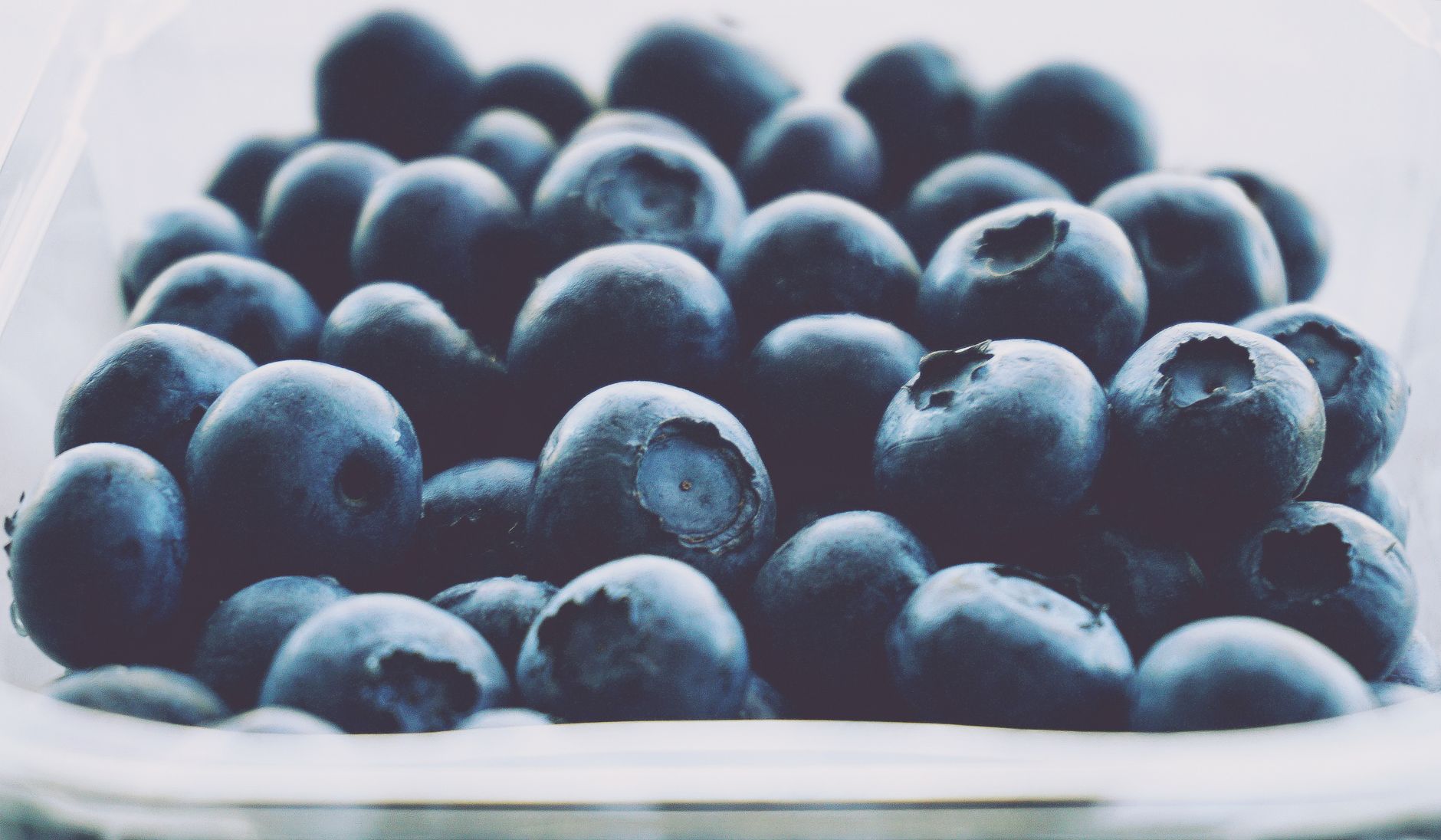
Blueberries are a delicious and versatile fruit, bursting with flavor and packed with nutrients. Whether you enjoy them fresh, baked into goodies, or blended into smoothies, it’s essential to know how long blueberries last to prevent waste and ensure optimal taste and quality. This guide explores the shelf life of blueberries, storage tips, and how to tell if they’ve gone bad.
Understanding the longevity of blueberries helps improve meal planning and food preparation, especially for those who love this little berry. From their peak fresh state to the end of their usability, let’s delve into how long blueberries last and how to maximize their freshness in your kitchen.
How Long Do Blueberries Last?
Fresh blueberries typically last about one to two weeks when stored properly in the refrigerator. While frozen blueberries can last up to a year or more if sealed correctly, dried blueberries can last around six months to a year if kept in an airtight container. The exact duration largely depends on storage conditions and initial quality.
Fresh Blueberries: Storage and Shelf Life
Fresh blueberries are best consumed shortly after purchase for optimal flavor and texture. Here’s how to extend their freshness:
Storage Method
- Refrigerate: Place blueberries in their original packaging in the refrigerator or transfer them into a breathable container (like a colander) to prevent moisture buildup.
- Keep Dry: Avoid washing blueberries until you’re ready to eat them. Exposure to moisture promotes mold growth.
- Avoid Overcrowding: Ensure that blueberries aren’t packed tightly in a container. Air circulation is vital for preventing spoilage.
Estimated Shelf Life
The following table outlines typical storage durations for fresh blueberries
| Storage Method | Approximate Duration |
|---|---|
| Refrigerator (unwashed, original packaging) | 1 to 2 weeks |
| Refrigerator (washed) | 3 to 5 days |
Signs of Spoiled Blueberries
Knowing how to identify spoiled blueberries is crucial for maintaining quality in your meals. Here are some signs to look for:
- Mold: Small fuzz or spots indicate spoilage. It’s best to discard affected berries to prevent the spread to others.
- Wrinkling: With time, blueberries can shrivel and lose firmness, indicating overripe fruit.
- Off Odors: A sour or unusual smell signals that blueberries have gone bad and should not be consumed.
- Discoloration: If blueberries lose their vibrant blue color and start turning brown, they are no longer fresh.
Freezing Blueberries for Longevity
If you have an abundance of blueberries or want to enjoy them later, freezing is an excellent option that retains their flavor and nutritional value.
How to Properly Freeze Blueberries
- Clean: Rinse the blueberries gently under cold water to remove any dirt. Pat them dry with a paper towel.
- Flash Freeze: Spread the blueberries in a single layer on a baking sheet and place them in the freezer for about 2 to 4 hours. This prevents them from clumping together.
- Transfer to Containers: Once frozen, transfer the berries into airtight freezer bags or containers. Remove as much air as possible to ensure they stay fresh.
- Label and Date: Use a permanent marker to label the bags with the date, so you can keep track of their storage duration.
Estimated Freezer Shelf Life
- Frozen Blueberries: Up to 12 months for best quality if stored properly.
Using Frozen Blueberries
Frozen blueberries are incredibly versatile and can be used in a variety of dishes such as smoothies, pies, pancakes, and more. Here are some tips for cooking or baking with frozen blueberries:
- No Thawing Needed: You can use frozen blueberries directly in most recipes without thawing. This works well for baking and cooking.
- Adjust Cooking Time: When using frozen berries, you may need to slightly increase the cooking time, as they will be colder than fresh ones.
Understanding Dried Blueberries
Dried blueberries are another option if you want a longer shelf life. They are typically treated with sugar or other preservatives to enhance their taste, although you can find unsweetened varieties as well.
Storage of Dried Blueberries
- Keep in an Airtight Container: Dried blueberries should be stored in a cool, dark place in an airtight container to maintain freshness.
- Check Expiration Dates: Typically, dried blueberries can last six months to a year, but this can vary based on the specific product and storage conditions.
Mold and Spoilage Indicators
Similar to fresh blueberries, dried blueberries can spoil. Here are signs of spoilage:
- Mold Growth: If you notice any fuzzy spots, it’s crucial to discard them.
- Off Smell: If dried blueberries emit a rancid odor, do not consume them.
Blueberries in Cooking and Baking
In addition to understanding how long blueberries last, exploring how to incorporate them into your meals can enhance your culinary experience. Blueberries’ sweet and tart flavor pairs well with both sweet and savory dishes.
Recipe Ideas Using Blueberries
Here are some creative ways to use blueberries in your kitchen:
- Blueberry Smoothies: Blend frozen blueberries with yogurt, spinach, and a banana for a healthy drink.
- Blueberry Muffins: Add fresh or frozen blueberries to muffin batter for a burst of flavor.
- Blueberry Sauce: Cook blueberries with a bit of sugar until bubbly; serve as a topping on pancakes or desserts.
Practical Meal Planning with Blueberries
Integrating blueberries into your meal planning can help ensure you enjoy their health benefits and flavor without waste. Consider the following strategies:
Creating Balanced Meals
- Breakfast: Pair blueberries with oatmeal or yogurt for a nutritious start to the day.
- Snack Time: A handful of blueberries makes for a refreshing and quick healthy snack.
- Desserts: Use blueberries in pies, cakes, or as garnishes to elevate your dessert game.
Batch Cooking with Blueberries
Prepare larger portions to save time and effort during busy weeks. Here are ideas for batch cooking:
- Blueberry Jam: Cook down blueberries with sugar and lemon juice to create delicious jam. It can last for a long time when canned properly.
- Frozen Portions: Freeze individual servings of smoothies with blueberries for on-the-go breakfasts.
Common Mistakes When Handling Blueberries
Here are some common pitfalls to watch for when dealing with blueberries:
- Washing Too Soon: Always wash blueberries just before eating or using them. Washing early can lead to moisture and mold growth.
- Storing in the Wrong Place: Keep blueberries in the refrigerator rather than on the counter to maintain their freshness.
- Using Spoiled Berries in Recipes: Always check for spoilage before adding to your dishes; spoiled berries can ruin the taste of a meal.
Conclusion
Knowing how long blueberries last, how to store them, and how to spot signs of spoilage is essential for making the most of this tasty fruit. Whether you savor them fresh, freeze them for later, or include them in delightful recipes, blueberries offer flavor, texture, and nutrition that can elevate your meals. Start incorporating this versatile berry into your dishes and reap the benefits of its delightful taste.
For delicious blueberry recipes, check out these blueberry cookies or try our blueberry pound cake. Explore the delightful possibilities of cooking and baking with blueberries!