
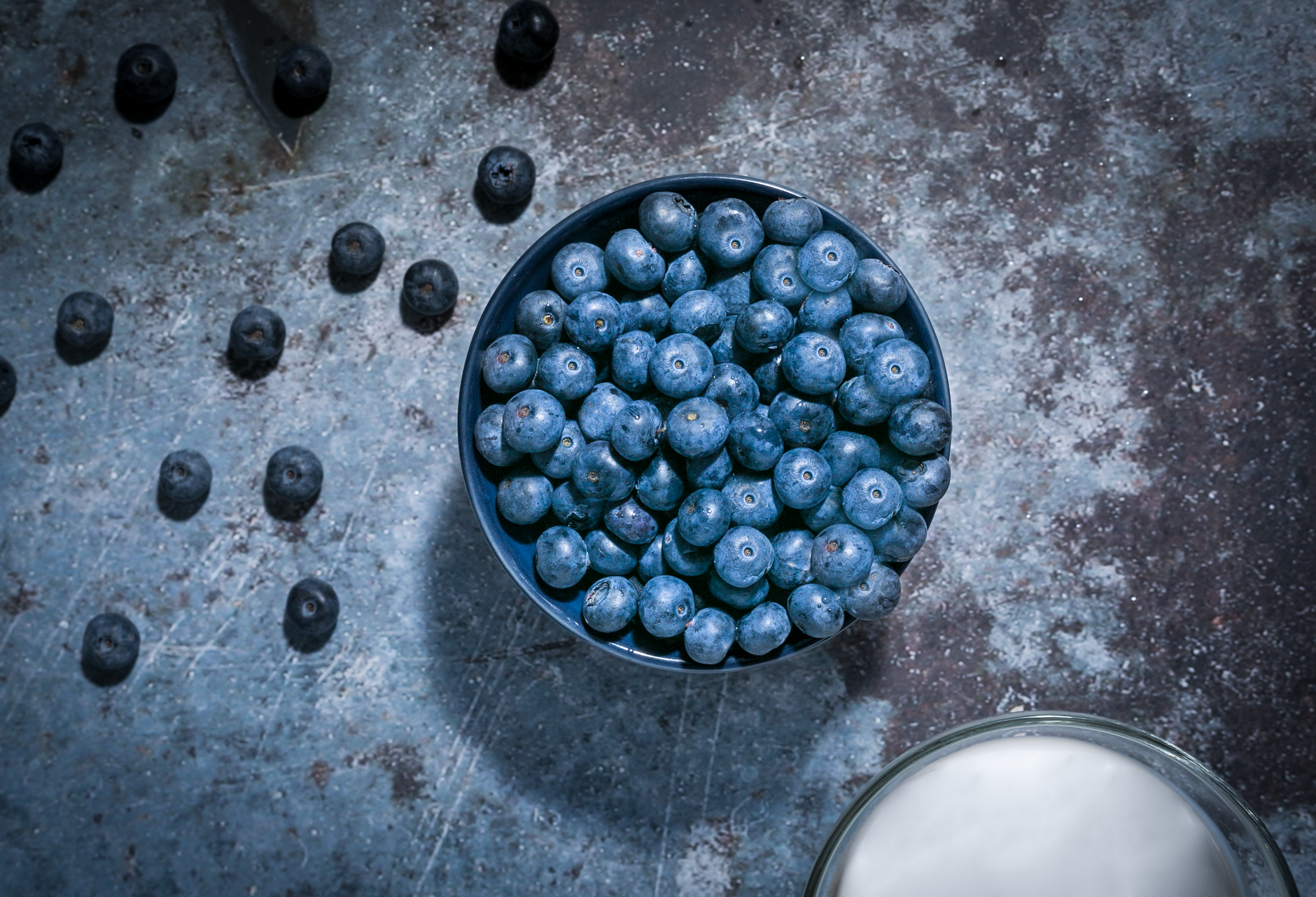
Blueberries are a delicious and nutritious fruit enjoyed by many. With their burst of flavor and vibrant color, they are perfect for adding to various dishes, from breakfast to desserts. Understanding how many blueberries constitute a serving can help with meal planning, portion control, and maximizing their health benefits.
In this article, we’ll explore serving sizes for blueberries, their health benefits, ways to incorporate them into your diet, and even some practical tips for storing and selecting the best berries. Whether you’re a longtime fan or new to blueberries, this guide will provide you with all the information you need.
How Many Blueberries Are In A Serving?
A standard serving size for fresh blueberries is about 1 cup, which equates to roughly 150 grams. This portion typically contains around 80 calories and provides a wealth of vitamins, minerals, and antioxidants. This measurement is beneficial for portion control and allows you to reap the fruit’s health benefits without overindulging.
The Health Benefits of Blueberries
Blueberries are not just tasty; they are also packed with nutrients and offer numerous health benefits. Incorporating them into your diet can be advantageous for various reasons:
- High in Antioxidants: Blueberries contain powerful antioxidants, particularly anthocyanins, which may help reduce oxidative stress in the body.
- Heart Health: Consuming blueberries regularly can contribute to heart health by improving cholesterol levels and lowering blood pressure.
- Brain Health: Some studies suggest that blueberries can improve cognitive function and may help protect the brain from aging.
- Support Digestive Health: Blueberries offer dietary fiber, promoting healthy digestion and preventing constipation.
- Weight Management: Low in calories and high in fiber, blueberries can help you feel full while aiding weight loss efforts.
How to Measure a Serving of Blueberries
Measuring blueberries accurately can help you stay within dietary guidelines and get the most from their health benefits. Here are some practical ways to measure a serving:
- Using a Measuring Cup: A 1-cup measuring cup is the simplest method. Fill it with whole blueberries until it holds no more.
- Using a Kitchen Scale: If precise measurement is crucial, using a scale can help. Weighing 150 grams will give you a serving size of blueberries.
- Using a Handful: A standard handful for most adults can equal about ½ to ¾ cup of blueberries. Adjust as necessary based on your hand size.
Different Ways to Enjoy Blueberries
Blueberries are incredibly versatile and can be enjoyed in numerous ways. Here are some popular options:
- Fresh: Eat them raw as a snack or toss them into salads for added flavor.
- Smoothies: Blend blueberries into smoothies for a nutrient boost. They pair well with bananas, spinach, and yogurt.
- Baking: Incorporate blueberries into muffins, pancakes, or breads for a deliciously fruity twist.
- Jams and Sauces: Cook down blueberries to make homemade jams or sauces, perfect for spreading or drizzling.
- Frozen: Blueberries can be frozen and added to recipes during the off-season.
Packing Tips for Blueberries
Fresh blueberries can spoil quickly if not stored properly. Here are some tips for keeping them fresh:
- Refrigeration: Store blueberries in the refrigerator to extend their shelf life. Keep them in a breathable container to prevent moisture buildup.
- Avoid Washing Before Storing: It’s best not to wash blueberries until you’re ready to eat them, as excess moisture can lead to spoilage.
- Freezing: To freeze blueberries, spread them in a single layer on a baking sheet. Once frozen, transfer them to a freezer bag for long-term storage.
Choosing the Right Blueberries
Selecting ripe blueberries is essential for the best flavor and texture. Here are some tips to consider when choosing blueberries:
- Color: Look for plump berries with a deep blue or purple hue. Avoid those that are red or green, as they may not be ripe.
- Firmness: Choose firm blueberries. Soft or mushy berries may indicate overripeness or spoilage.
- Aroma: Fresh blueberries should have a pleasant, sweet aroma. If they smell off or fermented, it’s best to avoid them.
Blueberry Recipe Ideas
Here are some delicious ways to incorporate blueberries into your meals:
Blueberry Smoothie Bowl
This vibrant smoothie bowl combines blueberries with yogurt and a banana, topped with your choice of nuts and granola. It’s a refreshing start to the day!
- 1 cup of blueberries
- 1 banana
- 1 cup of yogurt (Greek or plant-based)
- Toppings: Nuts, seeds, granola, and extra fruits
Blueberry Pancakes
Fluffy pancakes made with fresh blueberries create a delightful breakfast option. Serve them with maple syrup or yogurt on top.
- 1 cup all-purpose flour
- 1 tablespoon sugar
- 1 teaspoon baking powder
- 1/2 teaspoon baking soda
- 1/4 teaspoon salt
- 1 cup buttermilk
- 1 egg
- 1 cup blueberries
- Butter for cooking
Blueberry Compote
Blueberry compote is an easy way to use berries and can be drizzled over yogurt or pancakes. It only requires three ingredients!
- 2 cups blueberries
- 1/4 cup sugar
- 1 tablespoon lemon juice
Common Mistakes to Avoid
When working with blueberries, heed these common mistakes:
- Overcooking: Be mindful when cooking blueberries; they can become mushy quickly. Keep an eye on them.
- Ignoring Quality: Low-quality blueberries can ruin a dish, especially in desserts. Always choose the best quality available.
- Using Too Many: While blueberries are healthy, portion control is important. Stick to recommended serving sizes for the best results.
How to Incorporate Blueberries into a Balanced Diet
Incorporating blueberries into your meals can add both flavor and nutrition. Here are some practical ideas for including more blueberries in your diet:
- Add them to breakfast cereals or oatmeal for a tasty morning boost.
- Mix them into salads to add a pop of sweetness.
- Use them as a topping for desserts or blended into smoothies for added nutrients.
- Consider combining blueberries with savory ingredients like cheese for a unique twist on a cheese platter.
Conclusion
Understanding how many blueberries are in a serving helps with portion control and enables you to enjoy their numerous health benefits. With 1 cup being the standard serving size, integrating blueberries into various meals can be fun, delicious, and healthful. Remember to select fresh berries, store them correctly, and explore all the culinary possibilities that blueberries offer.
For those looking to expand their blueberry culinary skills, check out our related posts on how long do blueberries last, try our blueberry pound cake recipe, or indulge in some delicious blueberry cookies recipe. Enjoy exploring the delightful world of blueberries!