
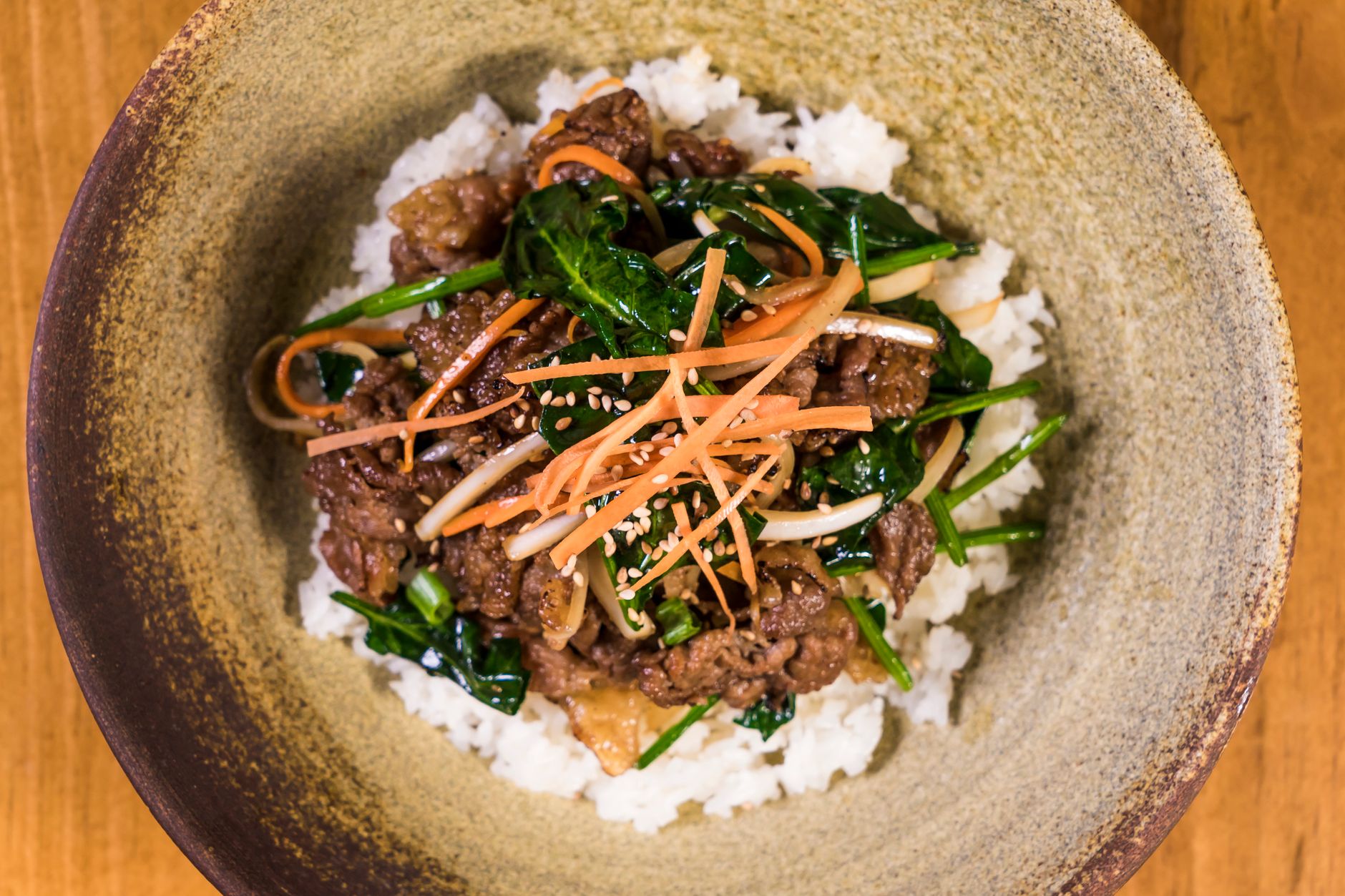
Beef Bulgogi is a beloved Korean dish that combines marinated, thinly sliced beef with a rich blend of sweet, savory, and umami flavors. Known for its tenderness and intense flavor, it’s often grilled or stir-fried, making it a perfect centerpiece for family meals or gatherings.
This dish showcases the essence of Korean cuisine, balancing flavors and offering a delightful texture through the quick cooking method. Let’s explore the origins, preparation methods, variations, and how to serve this iconic meal.
What Is Beef Bulgogi?
Beef Bulgogi translates to “fire meat” in Korean, which is a fitting name as the dish involves cooking marinated beef over a high heat source. The beef is typically marinated in a combination of soy sauce, sugar, sesame oil, garlic, and pepper. Its key characteristics include tenderness, a slightly sweet flavor, and a savory depth that comes from the marinade.
Traditionally made with sirloin or ribeye, Beef Bulgogi can be served as a main dish or as part of a larger Korean meal that includes side dishes, known as banchan.
The Ingredients Behind Beef Bulgogi
The following ingredients are essential to achieving the signature flavor of Beef Bulgogi. Understanding these ingredients will help you customize your dish according to your taste preferences.
- Beef: Thinly sliced sirloin, ribeye, or tenderloin are ideal. The key is to choose a tender cut of beef that will absorb the marinade well.
- Soy Sauce: Provides the savory base of the marinade. Low-sodium soy sauce can be used to control saltiness.
- Brown Sugar: Adds sweetness and helps create a caramelization effect when cooking.
- Sesame Oil: Contributes a nutty aroma and flavor that enhances the overall dish.
- Garlic: Freshly minced garlic adds depth and warmth to the marinade.
- Black Pepper: Offers a subtle heat; black pepper binds well with the garlic and soy sauce.
- Scallions: Sliced green onions add a fresh, aromatic element, often used as both an ingredient and garnish.
- Sesame Seeds: Toasted seeds add texture and a nutty flavor when sprinkled on top.
- Vegetables (optional): Bell peppers, mushrooms, and onions can be added for extra flavor and texture.
Essential Equipment for Cooking Beef Bulgogi
To prepare Beef Bulgogi, you’ll need the following equipment:
- Mixing Bowl: For marinating the beef and holding the marinade.
- Grill or Skillet: A grill is ideal for that charred flavor, but a skillet or frying pan can also work effectively.
- Tongs: For flipping the meat while cooking, ensuring even cooking on all sides.
- Knife and Cutting Board: For slicing the beef and preparing any additional vegetables.
- Meat Mallet (optional): Helps to tenderize the meat if using tougher cuts.
Preparing Beef Bulgogi: Step-by-Step Instructions
Making Beef Bulgogi at home involves marinating the beef, then cooking it quickly and at high heat. Here’s how to do it:
- Slice the Beef: Using a sharp knife, slice the beef into thin strips, about 1/8 inch thick. This allows for quick cooking and ensures tenderness. If the beef is partially frozen, it will be easier to slice.
- Make the Marinade: In a mixing bowl, combine soy sauce, brown sugar, sesame oil, minced garlic, and black pepper. Mix well until the sugar is dissolved.
- Marinate the Beef: Add the thinly sliced beef to the marinade and mix, ensuring all pieces are evenly coated. Cover the bowl with plastic wrap or transfer to a resealable plastic bag. Marinate in the refrigerator for at least 30 minutes, or up to overnight for a more intense flavor.
- Prepare to Cook: Heat your grill or skillet over high heat. If using a skillet, add a small amount of oil to prevent sticking. Ideally, use a grill pan for a charred effect.
- Cook the Beef: Once the pan or grill is hot, add the marinated beef in a single layer, discarding excess marinade. Cook for 2-3 minutes without stirring, allowing a char to form. Flip the pieces using tongs and cook for an additional 2-3 minutes until fully cooked and slightly caramelized.
- Add Vegetables (Optional): If using vegetables, add them during the last minute of cooking for a tender texture while maintaining some crunch.
- Serve: Remove the cooked beef from heat and transfer to a serving platter. Garnish with sliced scallions and toasted sesame seeds before serving.
Common Mistakes to Avoid When Making Beef Bulgogi
- Incorrect Slicing of the Beef: Slice against the grain to ensure tenderness. Cutting with the grain can lead to chewy pieces.
- Over-Marinating: While marinating adds flavor, marinating for too long, particularly with soy sauce, can make the beef too salty. Aim for 30 minutes to several hours.
- Not Using High Enough Heat: Bulgogi benefits from high heat for quick cooking. Lower heat can result in steaming rather than searing the meat.
- Overcrowding the Pan: Cook the beef in batches if necessary to avoid steaming. Crowding leads to uneven cooking and a loss of that delightful charred flavor.
Serving Suggestions for Beef Bulgogi
Beef Bulgogi can be enjoyed in various ways. Here are some popular serving ideas:
- With Rice: Serve the beef over a bed of steamed white rice or sticky rice. The rice will soak up the flavorful juices.
- In Lettuce Wraps: Use large leaves of lettuce (such as romaine or butter lettuce) to wrap the meat and add fresh vegetables and herbs.
- As a Bowl: Create a bulgogi bowl by layering rice, vegetables, and beef. Add a fried egg on top for richness.
- With Side Dishes: Traditional Korean meals include several banchan (side dishes), such as kimchi, pickled vegetables, or spicy radish.
Variations of Beef Bulgogi
While the traditional recipe is delicious, there are many innovative ways to adapt Beef Bulgogi to your taste:
- Vegetarian Bulgogi: Substitute beef with thinly sliced mushrooms, firm tofu, or eggplant. Marinate them in the same sauce for a flavorful vegetarian option.
- Spicy Bulgogi: Add gochujang (Korean chili paste) to the marinade for a spicy kick. Adjust the amount based on your heat preference.
- Grilled Bulgogi Skewers: Thread marinated beef onto skewers, alternating with vegetables for grilling. This is great for barbecues.
Meal Prep and Make-Ahead Tips
Beef Bulgogi is an excellent option for meal prep and can be made ahead of time:
- Marinating in Advance: Marinate the beef the night before or the morning of your meal. This will enhance the flavor.
- Batch Cooking: Cook a larger batch of beef and store in the refrigerator for up to 3-4 days. Reheat in a skillet or microwave before serving.
- Freezing: Marinated beef can also be frozen. Place it in a freezer-safe bag and it will keep for about 3 months. Thaw in the refrigerator before cooking.
Storing and Reheating Beef Bulgogi
Proper storage and reheating ensure that your Beef Bulgogi maintains its flavor and texture:
- Storage: Store leftover beef in an airtight container in the refrigerator for up to 3-4 days.
- Freezing: As mentioned, you can freeze the marinated beef. Once cooked, it’s best to consume it within 1-2 months for optimal flavor.
- Reheating: Reheat in a skillet over medium heat until warmed through. Avoid using a microwave, as it can change the texture of the meat.
Common Ingredient Substitutions
If you cannot find certain ingredients, here are some viable substitutions:
- Soy Sauce: Tamari or coconut aminos can be used as gluten-free alternatives.
- Brown Sugar: You can use honey or maple syrup, adjusting quantity to taste.
- Sesame Oil: If you don’t have sesame oil, you can substitute with a light olive oil, understanding that it will omit the nutty aroma.
- Scallions: Green onions can be replaced with chives, although they differ slightly in flavor and aroma.
Wrapping Up
Beef Bulgogi is not only a delicious dish but also an experience that connects to Korean culinary traditions. Whether you’re making it for a family dinner, grilling at a barbecue, or prepping for the week ahead, this dish brings a taste of Korea to any table.
Now that you know how to prepare Beef Bulgogi, consider trying out a Gochujang sauce or Ssamjang for dipping to enhance your meal further. Each can add a different dimension to your dining experience.
Explore more related recipes and cooking guides for an enriching culinary journey. You might find inspiration in making a Gochujang sauce or a flavorful Ssamjang.