
Syrup is a popular sweetener used in various culinary applications, from breakfast pancakes to dessert toppings. But like many food products, it has a shelf life and proper storage considerations that can affect its quality and safety.
Understanding how long syrup is good for can help you enjoy its sweet flavors while avoiding waste. In this guide, we will explore the different types of syrup, how to store them properly, their shelf life, and various uses.
How Long Is Syrup Good For?
The shelf life of syrup largely depends on its type and storage conditions. Generally, unopened syrup can last for several years, while opened syrup lasts about 6 to 12 months when stored properly in the refrigerator. However, homemade syrups have a shorter shelf life, typically lasting one month when refrigerated.
Now, let’s delve deeper into the different types of syrup, how long they last, and tips for ensuring their freshness.
Types of Syrup and Their Shelf Life
Syrup comes in various forms, each with unique characteristics and shelf lives. Here are some of the most common types:
1. Maple Syrup
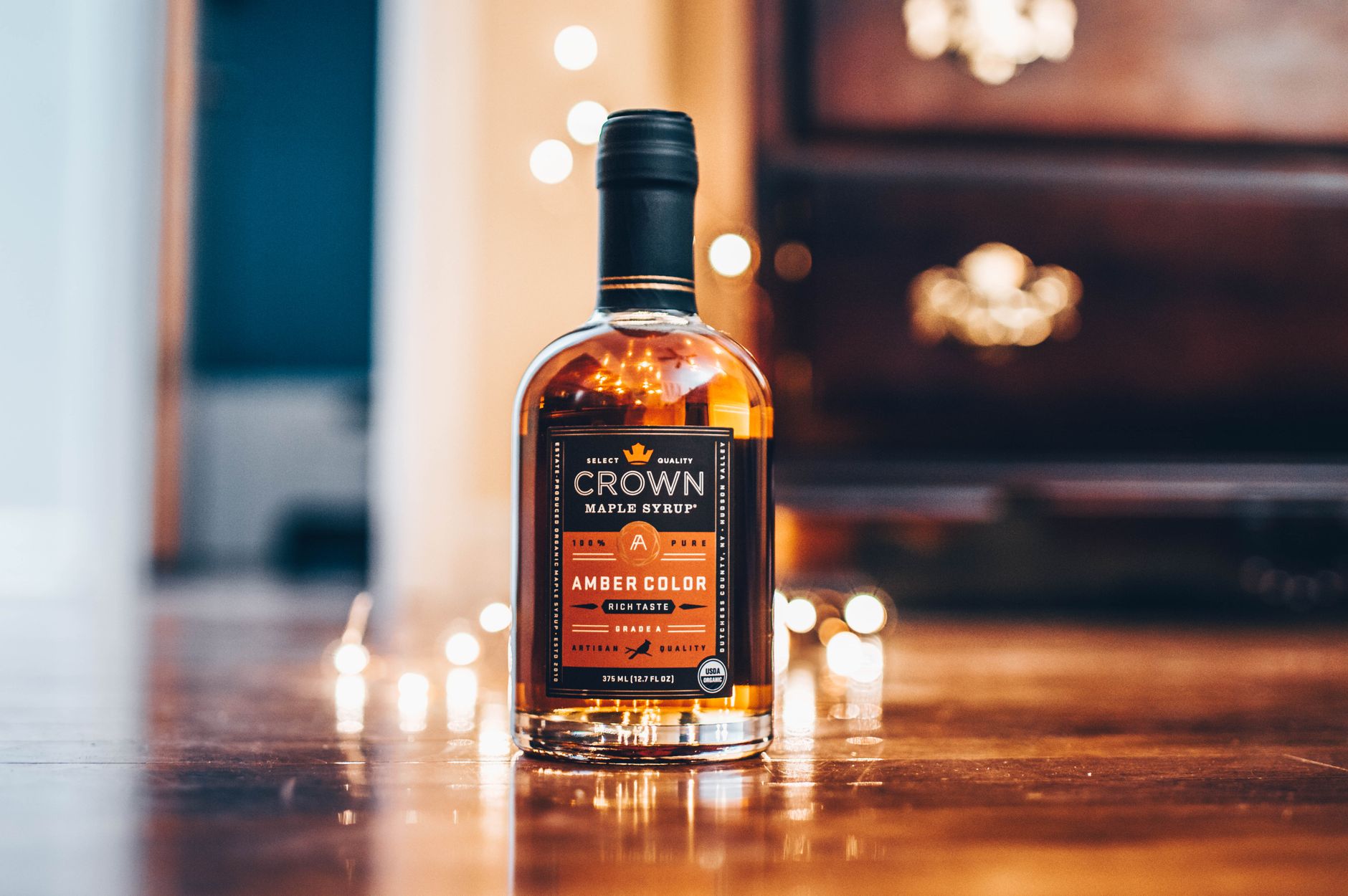
Maple syrup is a natural product made from the sap of sugar maple trees. It has a rich flavor and is often used as a topping for pancakes, waffles, and as a sweetener in various recipes.
- Unopened Maple Syrup: Lasts indefinitely if stored in a cool, dark place.
- Opened Maple Syrup: Can last for about 6 to 12 months in the pantry or up to a year when refrigerated.
2. Pancake Syrup
Pancake syrup, often made from corn syrup or a blend of corn syrup and other sweeteners, has a different flavor profile than maple syrup. It is less expensive and often flavored artificially.
- Unopened Pancake Syrup: Lasts indefinitely if kept in a cool, dry place.
- Opened Pancake Syrup: Can last up to 6 months in the pantry and about a year in the refrigerator.
3. Agave Syrup
Agave syrup, also known as agave nectar, is derived from the agave plant. It is sweeter than sugar and has a lower glycemic index, making it a popular choice for those looking for a natural sweetener.
- Unopened Agave Syrup: Can last indefinitely at room temperature.
- Opened Agave Syrup: Should be used within 1 to 2 years for the best quality.
4. Honey
While not technically a syrup, honey is often used interchangeably with syrup in various recipes. Its natural preservatives give it unique longevity.
- Unopened Honey: Lasts indefinitely when stored properly, thanks to its low moisture content.
- Opened Honey: Should also last indefinitely, though it is best used within 1 to 2 years for optimal flavor.
5. Simple Syrup
Simple syrup is made by dissolving sugar in water and is frequently used in cocktails and as a sweetener. It’s relatively easy to make at home.
- Homemade Simple Syrup: Usually lasts about 1 month in the refrigerator; however, adding preservatives like vodka can extend its shelf life.
6. Flavored Syrups
Flavored syrups, such as vanilla or caramel syrup, are often used in coffee drinks and desserts. Their shelf life varies based on the ingredients used.
- Unopened Flavored Syrup: Can last over a year if stored properly.
- Opened Flavored Syrup: Best used within 6 to 9 months when stored in the refrigerator.
Proper Syrup Storage Techniques
Storing syrup properly can significantly extend its shelf life and maintain quality. Here are some tips for storing various types of syrup:
- Keep It Cool: Store syrup in a cool, dark place away from direct sunlight. This prevents heat from degrading the syrup’s quality.
- Seal Tightly: Always ensure that syrup is tightly sealed after each use to prevent moisture and air from entering.
- Refrigeration: Opened bottles of syrup are best stored in the refrigerator to preserve flavor and freshness.
- Avoid Contamination: Use a clean utensil to scoop syrup from its container to avoid introducing bacteria.
Signs of Spoilage
While syrup has a long shelf life, it can still go bad. Here’s what to look for:
- Change in Color: If syrup has darkened significantly, it may be past its prime.
- Unpleasant Odor: An off smell is a strong indicator that syrup has spoiled.
- Cloudiness: If you notice any cloudiness or sediment, discard the syrup.
- Mold Growth: Presence of mold on the surface is a definitive sign of spoilage.
Potential Health Benefits of Syrup
While syrup is primarily a sweetener, certain types offer nutritional benefits. Here are some potential advantages:
Maple Syrup
Maple syrup contains vitamins and minerals such as manganese, zinc, and riboflavin. It also has antioxidants that can support overall health.
Agave Syrup
Agave syrup offers a low glycemic index, making it suitable for those monitoring blood sugar levels. It also contains some vitamins and minerals, though in small amounts.
Honey
Honey has natural antibacterial properties and is often used to soothe sore throats. It’s also a source of antioxidants.
How to Use Syrup in Recipes
Syrup isn’t just for pancakes anymore. Here are some creative ways to incorporate syrup into your meals and drinks:
Pancakes and Waffles
The classic way to enjoy syrup, simply drizzle over hot pancakes or waffles for a sweet breakfast treat.
In Baking
Use maple syrup or honey in baking recipes as a substitute for sugar to add moisture and a unique flavor. Reduce other liquids accordingly to maintain the right consistency.
In Coffee and Tea
Sweeten your morning coffee or tea with flavored syrups for a delicious change. Simply add a tablespoon to your drink to enhance the flavor.
Salad Dressings
Incorporate syrup into homemade salad dressings. A little maple syrup adds sweetness that balances the acidity of vinegar.
As a Glaze
Use syrup as a glaze for meats like ham or chicken. Brush it on during the last few minutes of cooking for a glossy finish and added flavor.
Homemade Syrup Recipes
If you’re interested in making your own syrup, here are two simple recipes to try:
Brown Sugar Syrup Recipe
This brown sugar syrup adds a rich, caramelized flavor to desserts and breakfast items.
- Ingredients:
- 1 cup brown sugar
- 1/2 cup water
- 1/2 teaspoon vanilla extract (optional)
- In a saucepan over medium heat, combine brown sugar and water. Stir until the sugar dissolves.
- Bring to a boil and reduce the heat to low. Let it simmer for 5 minutes.
- Remove from heat and stir in vanilla extract, if using. Allow to cool before storing in a sealed container in the fridge.
Honey Syrup Recipe
This honey syrup is perfect for sweetening drinks or drizzling on your favorite desserts.
- Ingredients:
- 1 cup honey
- 1/2 cup water
- In a small saucepan, combine honey and water over medium heat.
- Stir until fully combined and the mixture is heated through.
- Allow to cool, then transfer to a sealed container and refrigerate.
Conclusion
Syrup is a versatile ingredient with a surprisingly long shelf life, but understanding how to store it properly can make all the difference in maintaining its quality. Whether you prefer maple syrup’s rich flavor, the convenience of pancake syrup, or the natural sweetness of honey, knowing how long each type lasts will help you make the most of this delightful sweetener. Explore these uses and recipes to enhance your meals and drinks!
For more delicious ideas, check out our brown sugar syrup recipe and honey syrup recipe for delightful homemade versions you can enjoy!