
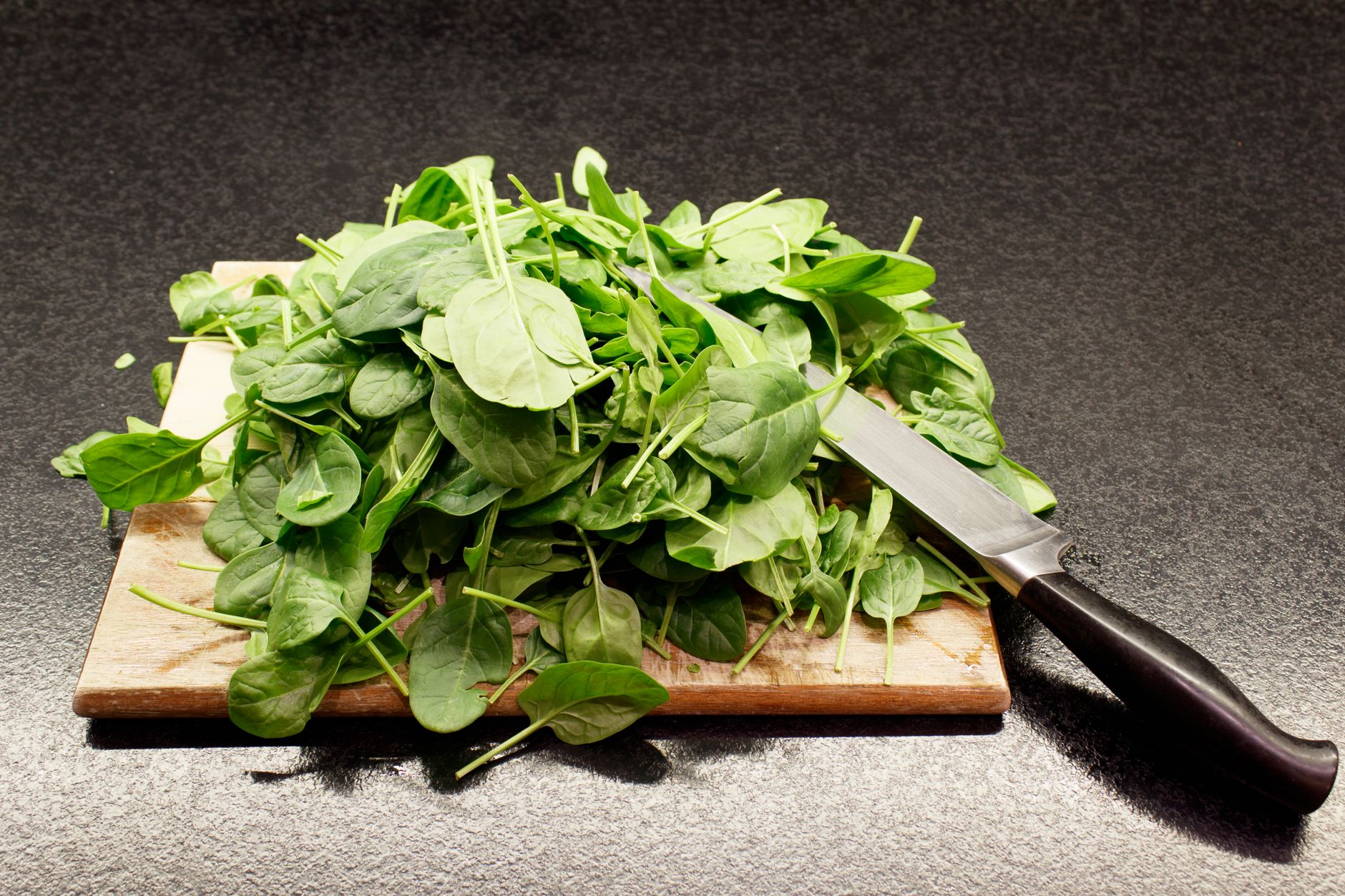
Spinach is often hailed as a superfood, revered for its versatility and impressive nutritional profile. From salads to smoothies, this leafy green can be seamlessly integrated into various dishes. But just how good is spinach for you? Let’s explore its benefits, culinary uses, and tips for incorporating more of this vibrant vegetable into your diet.
Not only is spinach packed with vitamins and minerals, but it also offers numerous health benefits. Its mild flavor and tender texture make it a popular choice for many recipes, whether you’re cooking for yourself or entertaining guests. Let’s dive into the specifics of spinach and discover the wide array of reasons to include it in your meals.
How Good Is Spinach For You?
Spinach is highly nutritious, low in calories, and contains essential vitamins and minerals. It is rich in iron, calcium, and antioxidants, making it beneficial for bone health, blood circulation, and combating oxidative stress. Adding spinach to your diet can contribute to overall well-being.
Nutritional Benefits of Spinach
Vitamins and Minerals
Spinach is a powerhouse of vitamins and minerals. A one-cup serving of raw spinach (approximately 30 grams) contains:
- Vitamin A: 2813 IU (56% DV)
- Vitamin K: 145 mcg (181% DV)
- Vitamin C: 14.8 mg (17% DV)
- Folate: 58 mcg (15% DV)
- Calcium: 30 mg (3% DV)
- Iron: 0.81 mg (4% DV)
- Magnesium: 24 mg (6% DV)
- Potassium: 167 mg (4% DV)
These vitamins support various bodily functions, including skin health, immune function, and blood clotting. Spinach’s high vitamin K content particularly promotes bone health.
Antioxidant Properties
Spinach is loaded with antioxidants, which help neutralize free radicals in the body. Compounds such as lutein, zeaxanthin, and quercetin protect against oxidative stress, reducing the risk of chronic diseases. These antioxidants promote eye health by reducing the risk of age-related macular degeneration.
Low in Calories and High in Fiber
For those mindful of calorie intake, spinach offers a satisfying option. With only about seven calories per cup of raw leaves, it can be enjoyed in large quantities without guilt. Furthermore, spinach is rich in dietary fiber, aiding digestion and helping you feel full longer.
Health Benefits of Spinach
Supports Heart Health
The high levels of potassium in spinach help maintain blood pressure levels, while its fiber content aids in reducing cholesterol. These factors combined can contribute to heart health, potentially lowering the risk of cardiovascular diseases.
Promotes Bone Health
Vitamin K is crucial for bone metabolism, helping to regulate calcium. The calcium and magnesium found in spinach also support bone density. Regular consumption of spinach may contribute to stronger, healthier bones.
Aids in Weight Management
Incorporating spinach into meals can be beneficial for weight management. The fiber content keeps you feeling satiated, reducing the likelihood of overeating. Additionally, its low caloric contribution allows for larger meal portions without adding excessive calories.
Provides Anti-Inflammatory Effects
Spinach contains a variety of bioactive compounds that possess anti-inflammatory properties. Regular consumption may help mitigate inflammation-related diseases, enhancing overall health and wellness.
Culinary Uses of Spinach
Spinach’s culinary versatility makes it a great ingredient for a variety of meals. Below are some popular ways to incorporate spinach into your diet:
Raw in Salads
Fresh spinach leaves can serve as a base for salads. Mix them with other greens, fruits, nuts, or cheese to create a nutritious and colorful dish. Spinach’s mild flavor pairs well with a variety of dressings, enhancing the overall taste.
Sautéed or Stir-Fried
Sautéing spinach brings out its natural flavors and can transform it into a flavorful side dish or a base for other ingredients. Simply heat oil in a pan, add minced garlic, and stir in washed spinach until it wilts. It can also be combined with other vegetables for a quick stir-fry.
Add to Smoothies
Incorporate spinach into smoothies for an added nutritional boost. Its mild taste blends well with fruits like bananas and berries. A handful of fresh spinach won’t alter the flavor much but will enhance the smoothie with vitamins and minerals.
In Soups and Stews
Spinach can be added to various soups and stews, providing texture and nutrition. Add it in the last few minutes of cooking to maintain some of its vibrant color and nutrients.
Baked Dishes
Spinach is a great addition to baking. Consider adding it to quiche, frittatas, or stuffed pastries like spanakopita. Mixing spinach with cheese and other fillings creates a delicious, hearty meal.
Cooking Techniques for Spinach
How to Prepare and Cook Spinach
Cooking spinach can be a quick process, whether you’re sautéing, steaming, or blanching. Here are steps for each method:
Sautéing Spinach
- Heat a tablespoon of olive oil in a skillet over medium heat.
- Add minced garlic (optional) and sauté until fragrant (about 30 seconds).
- Add washed spinach and toss gently.
- Cook for 2-3 minutes until wilted, seasoning with salt and pepper to taste.
- Serve warm.
Steaming Spinach
- Place a steamer basket over a pot of boiling water.
- Add washed spinach to the basket and cover.
- Steam for 2-4 minutes until the leaves are wilted.
- Remove from heat and season as desired.
Blanching Spinach
- Boil a pot of water and prepare an ice bath (bowl of ice water).
- Add washed spinach to the boiling water for 1-2 minutes.
- Transfer the spinach to the ice bath to stop the cooking process.
- Drain and squeeze out excess water before using in recipes.
Common Mistakes When Cooking Spinach
While cooking spinach is straightforward, there are a few common mistakes to avoid.
- Overcooking: Spinach cooks quickly. Overcooking can lead to excessive moisture and a mushy texture. Aim for just a few minutes of cooking time.
- Neglecting to wash: Spinach often harbors dirt and grit. Always wash it thoroughly under running water.
- Cooking with high heat: Cooking on high heat can cause spinach to lose its vibrant color. Opt for medium heat instead.
Storing Spinach
Proper storage of spinach will help maintain its freshness and nutritional value.
How to Store Fresh Spinach
- Keep unwashed spinach in a plastic or paper bag in the fridge for up to five days.
- Remove any damaged leaves to prevent spoilage.
- Do not wash spinach until you are ready to use it, as moisture can accelerate decay.
Freezing Spinach
If you have an abundance of spinach, consider freezing it. Here’s how:
- Wash and drain the spinach thoroughly.
- Blanch the spinach for 2 minutes, then transfer to an ice bath.
- Drain and pack into freezer-safe bags or containers.
- Label with the date and freeze for up to six months.
Spinach and Dietary Preferences
Spinach is an incredibly versatile ingredient suitable for various dietary preferences, including vegan, vegetarian, gluten-free, and low-carb diets. Here’s how it fits into different eating styles:
- Vegetarian/Vegan: Spinach is a staple for plant-based diets, offering essential nutrients without the need for animal products.
- Gluten-Free: Naturally gluten-free, spinach can be enjoyed by those with gluten sensitivities or celiac disease.
- Low-Carb: Spinach is low in carbohydrates, making it an excellent choice for ketogenic and low-carb diets.
Practical Substitutions for Spinach
While spinach is unique in flavor and texture, there are some alternatives if you’re in a pinch:
- Kale: Similar in texture and can be used in similar ways, though it has a stronger flavor.
- Swiss Chard: Offers a slightly earthier taste and is a great substitute in cooked dishes.
- Collard Greens: These provide a heartier texture and can be used in soups and stews.
Conclusion
Spinach is undeniably one of the most nutrient-dense vegetables available, offering myriad health benefits and culinary applications. Its mild flavor and versatility make it suitable for various dishes, from salads to baked goods. Incorporating spinach into your diet can improve nutrition, enhance meals, and promote overall wellness.
To further explore the nutritional aspects, check out how much protein is in spinach at this link, or try making a delightful spinach dip with our Knorr Spinach Dip Recipe. Discover the ways to incorporate this leafy green into your meals and enjoy its health benefits!