
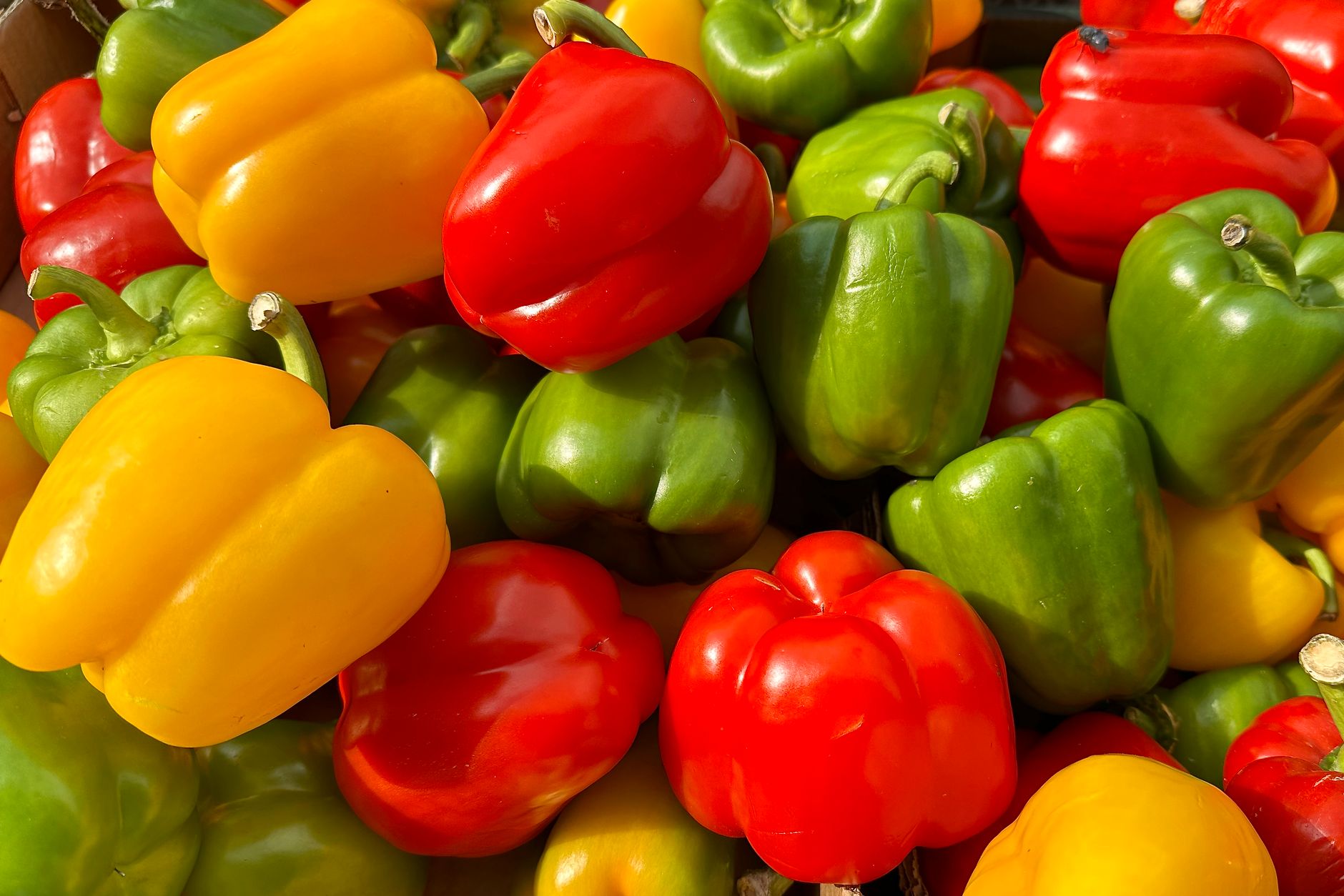
If you’ve ever found yourself in a grocery store or farmers market, curious about how much a peck of peppers may cost or how many peppers that actually is, you’re not alone. This article is designed to clarify what a peck of peppers includes, its culinary uses, and tips for buying, preparing, and storing different varieties of peppers. Understanding these elements will help elevate your cooking experience.
This guide will provide detailed information about prices, offerings, and cooking recommendations for peppers, helping you make informed decisions when shopping or meal planning. Whether you’re interested in spicy jalapeños or sweet bell peppers, knowing their market rates and uses can lead to delicious outcomes in your kitchen.
How Much Is a Peck of Peppers?
A peck is a unit of volume that is equal to about 8 dry quarts or approximately 9 liters. This measurement typically refers to about 8 to 10 pounds of peppers, depending on the specific variety and size. Therefore, the cost of a peck of peppers can vary widely based on factors such as seasonality, location, and type of pepper.
Understanding Peppers and Their Market Value
Peppers come in many varieties, each with unique flavors, textures, and uses. Generally, prices can fluctuate based on supply and demand, but to give you a rough idea:
- Bell Peppers: These usually range from $1 to $3 per pound.
- Jalapeño Peppers: Expect to pay about $1 to $2 per pound.
- Poblano Peppers: Ranging from $2 to $4 per pound, depending on size.
- Habanero Peppers: Typically priced between $3 to $5 per pound due to their popularity.
- Serrano Peppers: Usually cost around $2 to $3 per pound.
Using this pricing guide, a peck of bell peppers might cost anywhere from $8 to $30, based on current market rates, while other varieties could range significantly higher.
Buying Peppers: Tips for Selecting the Best
When shopping for peppers, whether at a grocery store or farmers market, keep the following tips in mind:
- Look for Color: Peppers should have a vibrant color, indicating freshness. Dull or dark spots may indicate spoilage.
- Check for Firmness: A plump and firm pepper is often the best choice. Avoid peppers that feel soft or squishy.
- Avoid Wrinkles: Wrinkled skin can signal age and diminished quality.
- Smell Test: Fresh peppers often have a noticeable aroma. If they smell off or overly sweet, consider skipping them.
Using Peppers in Your Cooking
Peppers are versatile ingredients that can elevate a range of dishes. Here is how to utilize different kinds of peppers:
Bell Peppers
Sweet and crunchy, bell peppers are often used raw in salads, as well as cooked in stir-fries, stuffed, or roasted.
Jalapeño Peppers
These moderately spicy peppers can add a kick to salsas, marinades, or can be grilled whole and added to various dishes.
Poblano Peppers
Poblano peppers are known for their rich flavor and mild heat, making them perfect for stuffing, particularly in dishes like chiles rellenos.
Habanero Peppers
If you’re looking for flavor intensity, habaneros are great for spicy sauces and marinades due to their unique fruity flavor profile.
Serrano Peppers
These peppers are slightly hotter than jalapeños and work well in salsas, guacamole, or as a garnish atop various dishes.
Practical Cooking Techniques for Peppers
Cooking peppers can enhance their flavors and textures. Here are some common techniques:
Charring or Roasting
- Place whole peppers directly over a flame or under a broiler.
- Rotate until the skin blackens and blisters, usually around 5-10 minutes.
- Remove from heat and wrap in foil to steam for about 10 minutes before peeling the skin.
Stuffing
To create stuffed peppers:
- Cut the tops off of larger peppers like bell peppers.
- Remove the seeds and insides with a small knife.
- Fill with a mixture of cooked rice, meat, cheese, and spices.
- Bake at 350°F (175°C) for about 30-40 minutes until the peppers are tender.
Common Mistakes to Avoid When Cooking with Peppers
As with any ingredient, there are several common pitfalls that can lead to disappointing results:
- Overcooking: Cooking peppers too long can lead to mushiness and loss of flavor. Aim for a tender-crisp bite.
- Ignoring Seed Impact: Remember that removing the seeds and membranes can reduce the heat in spicy peppers, allowing you to control the dish’s spiciness.
- Improper Storage: Storing peppers in a damp area can lead to spoilage, so keep them in a dry refrigerator drawer.
Storing Peppers for Freshness
Properly storing peppers can extend their shelf life, allowing you to enjoy them longer:
- Refrigeration: Store whole peppers in the crisper drawer of your refrigerator for about a week.
- Freezing: For long-term storage, peppers can be chopped and blanched before freezing. They can last up to 6 months in the freezer.
Practical Substitutions for Peppers
If you’re missing a specific type of pepper, consider these substitutions:
- Bell Peppers: You can substitute with cubanelle peppers for a similar flavor profile.
- Jalapeño Peppers: Serrano peppers can substitute if you want to maintain heat but need more spice.
- Poblano Peppers: Anaheims can provide a similar mild flavor with slight differences.
- Habanero Peppers: If unavailable, consider using a mix of jalapeños and a pinch of sweet bell peppers to maintain a balance of heat and sweetness.
Meal Planning with Peppers
Considering the versatility of peppers, they can easily be integrated into your meal planning:
- Breakfast: Add diced bell peppers to omelets or frittatas.
- Lunch: Incorporate sliced peppers into salads or sandwiches for added crunch.
- Dinner: Stuffed peppers make for a hearty main course, while grilled or roasted peppers can complement various proteins.
- Snacks: Serve raw pepper strips with hummus or as part of a vegetable platter.
Conclusion
Understanding how much a peck of peppers costs, their variety, buying tips, and cooking techniques can enhance your culinary experience. Incorporate peppers into your meals to enjoy their unique flavors and versatility across different cuisines.
Explore related recipes and guides to diversify your cooking repertoire, such as what to serve with stuffed peppers and a poblano peppers recipe. Expand your meals with the vibrant taste of peppers!