
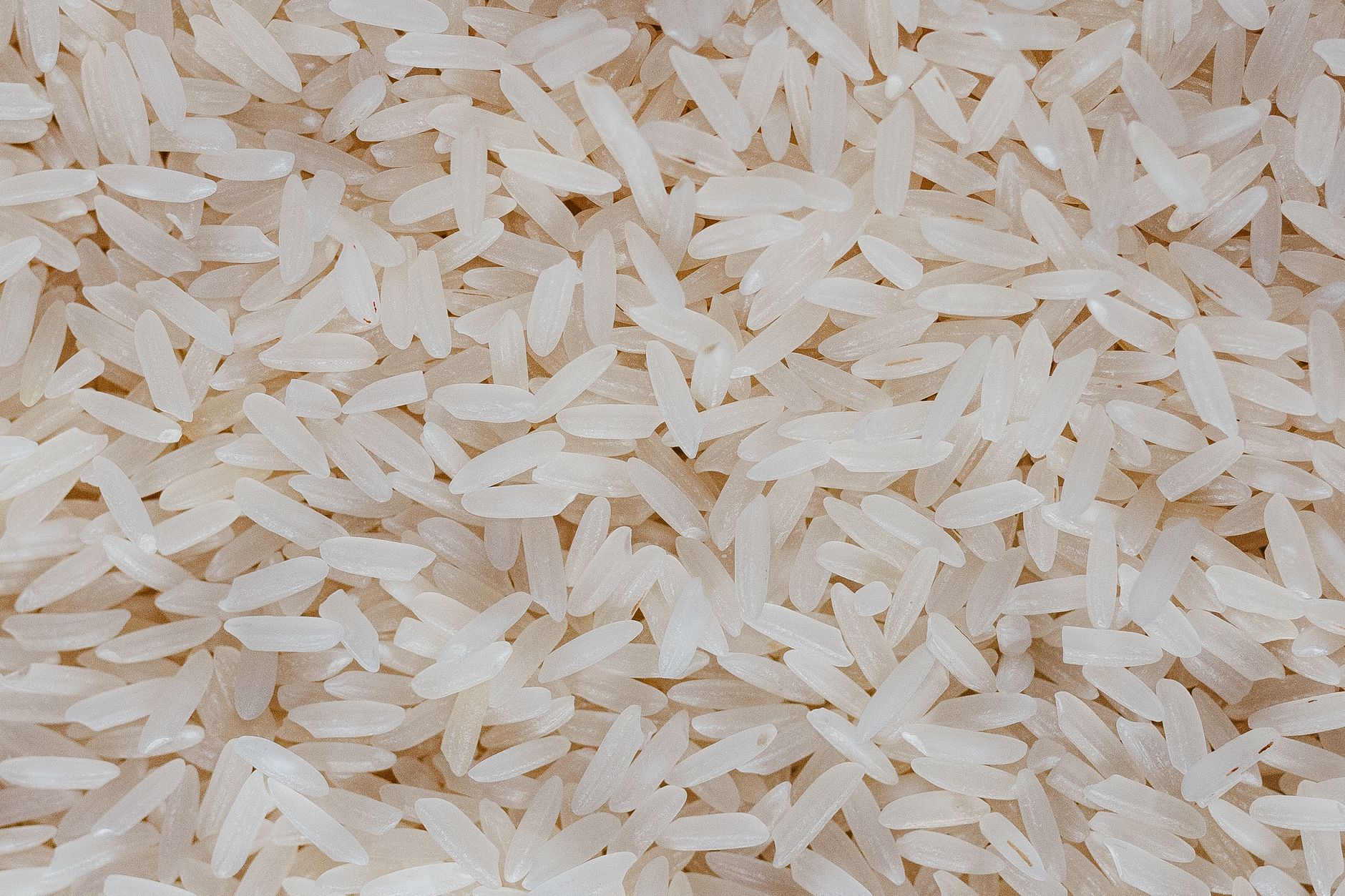
Choosing the right type of rice for your meals can significantly impact the taste, texture, and nutritional value of your dishes. Jasmine rice and white rice are two popular options, each with distinct flavors and characteristics. This article delves into the differences between them and helps you decide which one might be better for your cooking needs.
We will explore the origin, cooking methods, flavor profiles, nutritional content, and uses of jasmine rice and white rice. By the end of this comprehensive guide, you’ll be better equipped to choose the right rice for your dishes.
Is Jasmine Rice Better Than White Rice?
Whether jasmine rice is better than white rice often depends on personal preference and the specific dish you are preparing. Jasmine rice is known for its fragrant aroma and soft texture, while white rice is versatile and has a more neutral flavor. Understanding the unique features of each can help you make an informed choice.
What is Jasmine Rice?
Jasmine rice is a long-grain variety of rice that originates from Thailand. It is particularly popular in Southeast Asian cuisine and is known for its floral aroma and slightly sticky texture when cooked. Jasmine rice has a naturally nutty flavor, which enhances the overall taste of many dishes.
What is White Rice?
White rice is a polished version of brown rice, which is stripped of its bran and germ layers. This process gives white rice a softer texture and a milder flavor. It is one of the most widely consumed rice varieties globally and is a staple food in many cultures.
Key Differences Between Jasmine Rice and White Rice
Understanding the differences between jasmine rice and white rice can help you select the best option for your meals. Here are the key distinctions:
1. Flavor Profile
Jasmine rice has a distinct floral aroma and a subtle nutty flavor, making it an excellent choice for dishes where these characteristics can shine through. In contrast, white rice has a bland taste, making it versatile for pairing with various flavors and sauces.
2. Texture
Once cooked, jasmine rice is fluffy yet slightly sticky, allowing it to hold together well. This quality is particularly desirable in dishes like stir-fries or curries. White rice, on the other hand, tends to be drier and fluffier, sticking less together than jasmine rice. This can be beneficial in certain dishes where you want separate grains, such as pilafs.
3. Cooking Methods
Both jasmine and white rice can be cooked in various ways, including boiling, steaming, or using a rice cooker. However, the water-to-rice ratio varies slightly:
- Jasmine Rice: Typically uses a 1:1.5 ratio of rice to water.
- White Rice: Generally requires a 1:2 ratio of rice to water.
4. Nutritional Content
Nutritionally, both types of rice are primarily composed of carbohydrates, but jasmine rice has a higher glycemic index than white rice, meaning it may raise blood sugar levels more quickly. However, neither is considered a high-nutrient food, and moderation is advised.
5. Cooking Time
Jasmine rice typically cooks faster than white rice due to its thinner grains. Cooking jasmine rice can take about 15-20 minutes, while white rice may take around 18-25 minutes, depending on the specific variety and cooking method.
6. Culinary Uses
Jasmine rice is often used in Thai, Vietnamese, and other Southeast Asian dishes, complementing flavors in curries, stir-fries, and soups. White rice is much more versatile and is commonly used in various cuisines around the world, from sushi in Japan to jambalaya in the Southern United States.
Choosing the Right Rice for Your Meal
Your choice between jasmine rice and white rice may depend on the specific dish you are preparing. Here are some scenarios to consider:
When to Choose Jasmine Rice
- You’re preparing a Thai dish like Pad Thai or green curry, where the rice’s aroma and texture will enhance the flavors.
- You’re making a rice salad that benefits from the slightly sticky consistency of jasmine rice.
- You want a rice side that adds a unique flavor to grilled meats or seafood.
When to Choose White Rice
- You’re making fried rice, where you want dry, fluffy grains that won’t clump together.
- You’re preparing meals that require the rice to absorb strong flavors, such as sauces or spices.
- You’re looking for a neutral taste to complement bold or complex flavors in your dish.
Cooking Methods and Techniques
Understanding the best cooking methods for both jasmine and white rice will further enhance your culinary skills. Here’s how to cook each type of rice perfectly:
How to Cook Jasmine Rice
- Rinse the rice under cold water until the water runs clear. This helps remove excess starch.
- In a pot, combine 1 cup of rinsed jasmine rice with 1.5 cups of water.
- Bring the water to a boil over medium-high heat.
- Once boiling, reduce the heat to low, cover, and let it simmer for about 15-20 minutes.
- After the cooking time, turn off the heat and let the rice sit, covered, for another 5 minutes. Then, fluff with a fork before serving.
How to Cook White Rice
- Rinse the rice under cold water until the water runs clear to remove excess starch.
- In a pot, combine 1 cup of rinsed white rice with 2 cups of water.
- Bring the water to a boil over high heat.
- Once boiling, reduce the heat to low, cover, and let it simmer for about 18-25 minutes.
- After the cooking time, turn off the heat and let the rice sit, covered, for another 5 minutes. Fluff with a fork before serving.
Using Jasmine Rice and White Rice in Recipes
Incorporating jasmine rice or white rice into your meals can elevate the final dish. Below are some practical recipe suggestions:
Jasmine Rice Recipe Ideas
- Thai Coconut Rice: Cook jasmine rice with coconut milk for a creamy side dish that pairs well with spicy mains.
- Jasmine Fried Rice: Stir-fry cooked jasmine rice with vegetables, eggs, and your choice of protein for a flavorful meal.
- Steamed Jasmine Rice with Mango: Serve warm jasmine rice with fresh mango slices and a drizzle of honey for a delicious dessert.
White Rice Recipe Ideas
- Classic Fried Rice: Sauté leftover white rice with vegetables, soy sauce, and protein for a quick meal.
- White Rice Pilaf: Sauté onions and garlic, then add white rice and broth for a rich, flavored side dish.
- Sushi Rice: Use short-grain white rice seasoned with vinegar for a perfect base for sushi rolls.
Practical Tips for Storing Cooked Rice
Storing rice properly can help maintain its quality and prevent food waste. Here are some guidelines:
- Store cooked jasmine or white rice in an airtight container in the refrigerator for up to 4-6 days.
- For longer storage, freeze cooked rice in small portions. Make sure to cool it completely before freezing.
- Reheat cooked rice by adding a splash of water and microwaving it or reheating it in a pan over low heat.
- Avoid leaving cooked rice at room temperature for extended periods, as bacteria can grow quickly.
Common Mistakes to Avoid
When cooking jasmine rice or white rice, avoiding common mistakes can lead to better results:
- Failing to rinse the rice can result in overly sticky or gummy rice due to excess starch.
- Using the wrong water-to-rice ratio may lead to undercooked or mushy rice.
- Not letting the rice sit covered after cooking can lead to dry or unevenly cooked grains.
- Overstirring the rice while it cooks can break the grains and lead to a mushy texture.
Health Considerations
While both jasmine rice and white rice provide carbohydrates for energy, monitoring portion sizes is essential, especially for those managing blood sugar levels. Here are some health considerations:
- Brown rice may be a more nutritious option as it retains the bran and germ, providing more fiber and nutrients.
- Consider incorporating whole grains or alternative grains such as quinoa, farro, or barley into your diet for added health benefits.
- If you’re watching your glycemic index intake, consulting with a healthcare provider or nutritionist may be helpful.
Conclusion
The choice between jasmine rice and white rice comes down to personal preference and the specific requirements of your dish. Jasmine rice shines in fragrant, Asian-inspired meals, while white rice offers versatility that can complement a wide range of cuisines.
To get the best out of each rice variety, experiment with different recipes and cooking methods. You might find that a particular type of rice enhances your favorite dishes, allowing you to create delicious meals tailored to your taste.
For delicious fried rice, try our Benihana Fried Rice Recipe, or if you’re interested in a flavorful Puerto Rican dish, check out our Puerto Rican Rice Recipe. Each provides a great opportunity to explore the unique characteristics of rice in your cooking.