
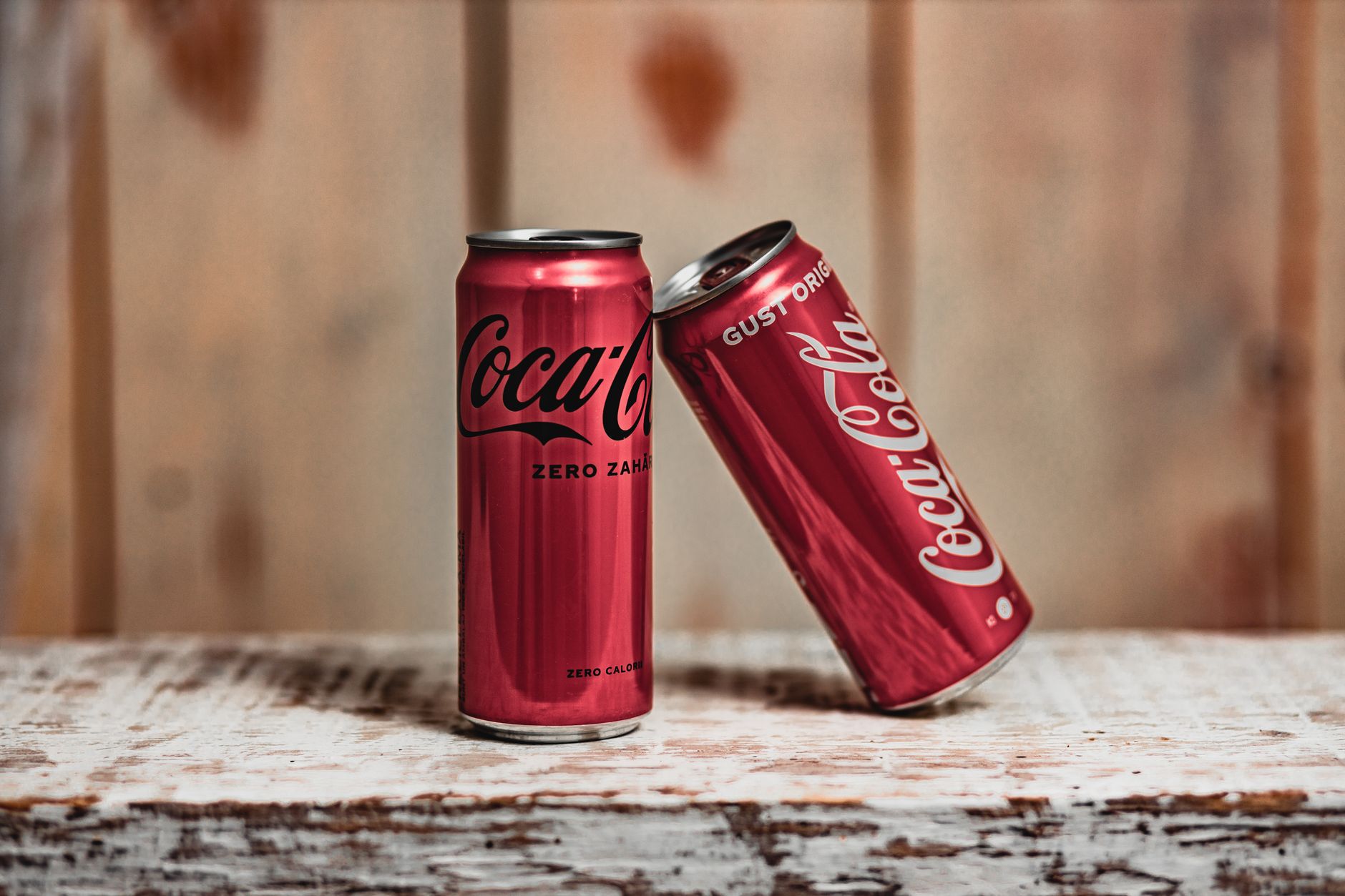
Coca Cola Zero, often simply referred to as Coke Zero, is a popular soft drink known for its cola flavor without the sugar. Many consumers are curious about the caffeine content in this beverage, especially when it comes to managing their caffeine intake. This article will explore whether Coca Cola Zero contains caffeine, how it compares to other beverages, and what you need to know about caffeine consumption.
Caffeine is a central nervous system stimulant frequently found in a variety of drinks, including coffee, tea, and sodas. For those who enjoy the crisp taste of Coke Zero but want to be mindful of their caffeine levels, understanding its caffeine content is essential. Read on to learn all about Coca Cola Zero’s caffeine status and what alternatives might be available if you’re looking to cut down on caffeine intake.
Does Coca Cola Zero Have Caffeine?
Yes, Coca Cola Zero does contain caffeine. Each 12-ounce (355 mL) serving of Coke Zero has approximately 34 mg of caffeine. For context, that’s similar to the caffeine content found in other popular soft drinks, though less than what’s typically found in a standard cup of coffee.
Understanding Caffeine Content in Coca Cola Zero
Understanding the caffeine content of Coca Cola Zero is crucial for those monitoring their caffeine consumption. Here’s a breakdown of not just Coca Cola Zero, but also its caffeine levels in comparison to other beverages:
- Coca Cola Zero (12 oz): Approximately 34 mg of caffeine
- Coca-Cola Classic (12 oz): Approximately 34 mg of caffeine
- Diet Coke (12 oz): Approximately 46 mg of caffeine
- Pepsi (12 oz): Approximately 38 mg of caffeine
- Standard Cup of Coffee (8 oz): Approximately 95 mg of caffeine
- Green Tea (8 oz): Approximately 30-50 mg of caffeine
- Black Tea (8 oz): Approximately 40-70 mg of caffeine
Why Does Coca Cola Zero Contain Caffeine?
The primary reasons for the inclusion of caffeine in Coca Cola Zero are related to flavor and consumer preference. Caffeine enhances the overall taste profile of cola beverages, providing a slight bitterness that balances the sweetness of artificial sweeteners.
Moreover, the presence of caffeine can contribute to a feeling of alertness and energy, which is often sought after by consumers looking for a refreshing drink. Despite Coca Cola Zero being marketed as a no-sugar alternative, the mild stimulant effect of caffeine also makes it appealing.
Comparison with Other Soft Drinks
In the realm of soft drinks, caffeine content can greatly vary. Knowing how Coca Cola Zero stacks up against rival brands and types of sodas can help you make more informed beverage choices. Here are a few comparisons:
- Dr Pepper (12 oz): Approximately 41 mg of caffeine
- Sprite (12 oz): Caffeine-free
- Mountain Dew (12 oz): Approximately 54 mg of caffeine
Based on this information, Coca Cola Zero contains a moderate amount of caffeine among similar sugary sodas. If you’re looking for a caffeine fix while avoiding sugar, Coke Zero remains a viable choice, but it is worthwhile to note brands like Mountain Dew contain significantly higher caffeine.
Caffeine Sensitivity: Who Should Monitor Their Intake?
Caffeine sensitivity varies among individuals and can impact how one reacts to its consumption. Factors that influence sensitivity include:
- Age: As individuals age, their bodies may process caffeine differently.
- Genetics: Some people metabolize caffeine quickly, while others do so slowly, affecting their reactions.
- Health Conditions: Individuals with certain health issues, such as anxiety disorders or heart problems, might need to limit their caffeine intake.
- Pregnancy: Pregnant individuals are often advised to decrease caffeine consumption to avoid complications.
Alternatives to Coca Cola Zero
If you’re looking for caffeine-free alternatives or simply want to diversify your drink choices, there are a variety of options available:
- Caffeine-free Coca Cola: A classic choice without the stimulant.
- Herbal Teas: Often completely caffeine-free, these can provide beneficial flavors and aromas.
- Sparkling Water: A hydrating, bubbly alternative with no sweetness or caffeine.
- Caffeine-free Sodas: Many brands now offer sodas without caffeine, perfect for those who prefer the taste without the jitters.
Is There Such a Thing as Too Much Caffeine?
As with any food or beverage component, moderation is key. While moderate caffeine consumption is generally considered safe for most adults, excessive intake can lead to negative health effects, such as:
- Insomnia: Difficulty sleeping or staying asleep.
- Increased Heart Rate: Palpitations or faster heartbeat can occur with high consumption.
- Nervousness and Anxiety: High caffeine levels can exacerbate anxiety disorders.
- Headaches: Sudden cessation of caffeine can trigger withdrawal headaches.
The U.S. Food and Drug Administration (FDA) suggests that most adults can safely consume up to 400 mg of caffeine a day without adverse effects. This corresponds to about four cups of coffee or 10 cans of Coca Cola Zero. However, individual tolerances may vary.
Building a Balanced Beverage Habit
Building a mindful approach to beverage consumption can ultimately foster better health. Here are some practical tips:
- Read Labels: Always check beverage labels to understand caffeine content.
- Track Your Intake: Keep a log of your daily caffeine consumption to monitor intake.
- Mix It Up: Alternate between caffeinated and non-caffeinated drinks to maintain balance.
- Stay Hydrated: Prioritize water for hydration to balance out other beverage choices.
8 Common Myths About Caffeine
Misinformation often surrounds caffeine and its effects. Understanding these myths can clarify what you should believe:
- Myth 1: Caffeine Dehydrates You. It may have a mild diuretic effect, but moderate caffeine consumption does not create significant dehydration.
- Myth 2: Caffeine Stunts Growth. No scientific evidence supports this claim.
- Myth 3: Caffeine Is Addictive. While dependence can occur, it is not classified as a substance abuse issue like harder drugs.
- Myth 4: Caffeine Causes Heart Problems. For most healthy individuals, moderate caffeine consumption does not significantly impact heart health.
- Myth 5: Caffeine Helps You Lose Weight. It may aid in fat burning but not in a substantial, sustainable way.
- Myth 6: You Can “Sober Up” with Caffeine. Caffeine does not counteract the effects of alcohol.
- Myth 7: Caffeine is Unhealthy. When consumed in moderation, caffeine can be part of a healthy diet for most people.
- Myth 8: All Caffeine Sources Are the Same. Caffeine affects people differently based on various factors, including source and individual metabolism.
Conclusion
Coca Cola Zero does indeed contain caffeine, making it comparable to many other sodas. For those keeping an eye on caffeine intake, understanding its level in Coca Cola Zero allows for better beverage choices. Remember to monitor your consumption and explore alternates that may cater to your lifestyle and preferences.
For further exploration on beverages and their caffeine content, check out our guides on Diet Dr Pepper’s caffeine levels and the caffeine amounts in chai tea. Understanding what you drink is crucial to making informed choices!