
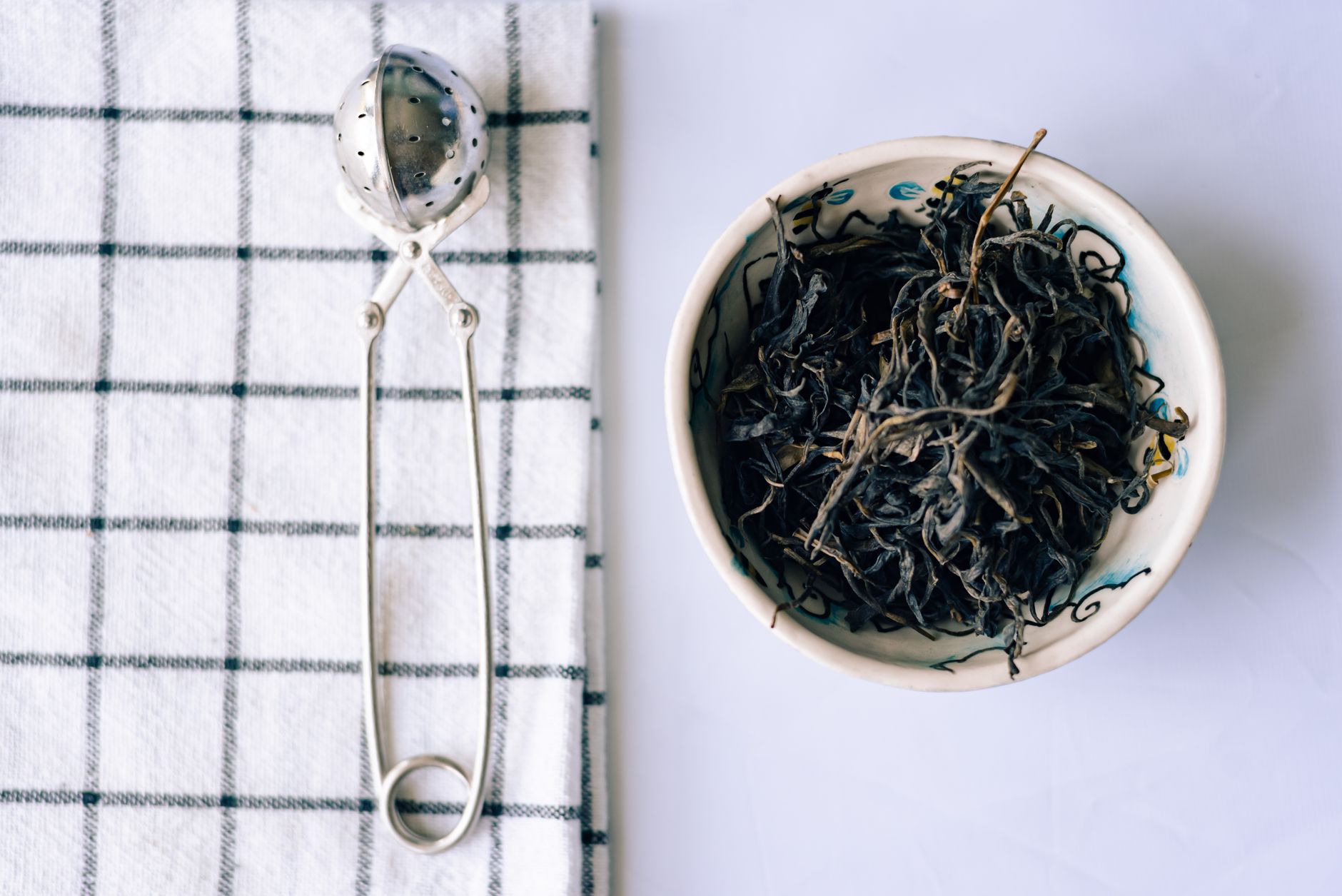
Black tea is a beloved beverage enjoyed worldwide for its rich flavors and various health benefits. However, many tea drinkers may wonder about the longevity of their favorite brew. Does black tea go bad? Understanding the shelf life of black tea, storage methods, and spoilage signs is essential for maximizing your enjoyment of this comforting drink.
In this article, we’ll explore how to store black tea properly, how long it lasts, and the signs that indicate when it has gone bad. Whether you prefer loose leaf or tea bags, knowing how to care for your black tea ensures that you always have a delightful cup at hand.
Does Black Tea Go Bad?
Yes, black tea can go bad, but it does not spoil in the same way perishable foods do. When stored properly, black tea can maintain its flavor and quality for several years. However, over time, tea may lose its freshness and flavor potency, ultimately affecting the quality of your brew.
Understanding the shelf life of black tea
The shelf life of black tea depends largely on its form – loose leaf or bagged – and how it is stored. Generally speaking, unopened black tea can last for two to three years, while opened tea may have a shorter shelf life, usually around six months to one year.
Factors Influencing Shelf Life
Several factors can impact how long your black tea stays fresh:
- Quality of tea: Higher quality black teas often last longer than standard varieties due to better processing and packaging.
- Storage conditions: Keeping tea away from light, moisture, heat, and strong odors is crucial to its longevity.
- Exposure: Each time you open the packaging, exposure to air can degrade the tea’s quality.
Storage Methods for Black Tea
Proper storage is essential in extending the shelf life of black tea. Follow these tips to keep your tea fresh for longer.
Storage Containers
Use airtight containers to protect your tea. Metal tins, dark glass jars, or resealable plastic bags can help to keep tea sealed away from air, moisture, and light. Ensure the container is specific to tea and doesn’t retain strong odors from other ingredients, as tea can easily absorb smells.
Ideal Storage Conditions
Store black tea in a cool, dry, and dark place. A pantry or a cupboard away from the stove and refrigerator is ideal. Avoid areas that experience temperature fluctuations, such as near windows or heating appliances.
Avoiding Humidity
Humidity is one of the biggest enemies of tea. Always ensure your storage container is tightly sealed, and avoid introducing moisture when measuring out tea leaves. It’s best to use dry utensils to scoop tea from its container.
Signs that Black Tea Has Gone Bad
Although black tea does not spoil in a traditional sense, there are several signs that indicate it has lost its freshness or potency:
Lack of Aroma
Good quality black tea should have a robust and inviting aroma. If it smells flat or has no scent, it may have lost its flavor.
Change in Color
While black tea can vary in color, it should generally have a rich, dark hue. If you notice that your tea has turned dull or faded, it may no longer be fresh.
Unexpected Flavor
If your brewed black tea tastes flat, stale, or has an unpleasant flavor, it’s a sign that the tea has lost its freshness. Fresh black tea should have a bold flavor profile, often described as malty and rich.
Visual Signs of Moisture or Mold
If your tea leaves appear clumped together or show signs of mold, it is best to discard them immediately. Moisture can lead to mold growth, making the tea unsafe to consume.
Different Forms of Black Tea: Shelf Life Comparison
The shelf life can also vary depending on the form of black tea you have.
| Type of Black Tea | Unopened Shelf Life | Opened Shelf Life |
|---|---|---|
| Loose Leaf Black Tea | 2-3 years | 6-12 months |
| Bagged Black Tea | 2-3 years | 6-12 months |
How to Brew Black Tea for Optimal Flavor
Once you ensure your black tea is fresh, you want to brew it properly to get the best flavor. Here are some tips for brewing a perfect cup of black tea:
Ingredients
- 1 teaspoon of loose leaf black tea or 1 tea bag
- 8 ounces of water (filtered or bottled for better taste)
Essential Equipment
- Teapot or kettle
- Tea infuser (if using loose leaf)
- Cup or mug
Brewing Steps
- Boil water to about 200-212°F (93-100°C). Use a thermometer for accuracy if available.
- Add your loose tea or tea bag to the pot or cup.
- Pour the hot water over the tea and let it steep:
- For black tea, steep for 3-5 minutes, depending on preferred strength.
- Remove the tea bag or strain out the loose tea leaves.
- Enjoy plain or with add-ins like milk, sugar, or lemon, as desired.
What Happens If You Drink Old Tea?
Drinking old black tea that has lost quality is generally safe but may not be enjoyable. Stale tea may taste weak, bland, or even have an off-flavor due to degradation. There are no severe health risks involved with consuming old black tea, but always ensure no visible signs of spoilage are present before brewing.
Common Mistakes When Storing Black Tea
Here are some common mistakes to avoid when storing black tea:
- Leaving it Unsealed: Not sealing the container properly allows air and moisture to degrade the tea.
- Exposing to Light: Storing tea in clear jars or in direct sunlight increases oxidation, ruining its flavor.
- Mixing with Other Scents: Placing tea near strong-smelling spices or foods can impart undesirable flavors.
- Storing in Fridge or Freezer: The humidity from the refrigerator can adversely affect tea. It’s better to keep it at room temperature.
How to Refresh Old Black Tea
If you have black tea that you suspect has lost its freshness but is not spoiled, there are a few tricks you can use to rejuvenate its flavors:
- Mix with Fresh Tea: Combine older tea with a small amount of fresh tea leaves to enhance flavor.
- Make Concentrated Brew: Brew a stronger tea than usual by using more leaves or bags than you typically would.
- Serve Brewed Tea Chilled: Old tea can sometimes be repurposed into iced tea with added flavors, like fresh herbs or fruit.
Health Considerations Regarding Black Tea
While enjoying black tea can be beneficial, keep in mind that moderation is key. Drinking excessive amounts of tea may lead to caffeine-related issues for some individuals. Always consult with a healthcare provider if you have specific health concerns or dietary restrictions.
Potential Benefits of Black Tea
Although not a medical treatment, black tea is known for its various potential benefits:
- Antioxidants: Black tea is rich in antioxidants, which may help fight free radicals in the body.
- Heart Health: Some studies suggest that black tea may help support heart health and lower cholesterol levels.
- Mental Alertness: The caffeine content in tea can help improve alertness and focus.
Conclusion
Understanding the proper storage methods for black tea, how long it lasts, and recognizing the signs of spoilage is crucial for any tea enthusiast. With mindful care, you can enjoy black tea at its best, savoring every sip of this timeless beverage.
Now that you’re equipped with the knowledge of black tea, consider exploring additional topics like what black tea is and how long blueberries last. Both will help enhance your appreciation and understanding of food!